Peru: Cordillera Huayhuash
This has been a long time coming, but I think I’m finally done grieving this trip.
I didn’t get the adventure I signed up for—but it was an adventure nonetheless.
After finishing the Inca Trail and visiting Machu Picchu, Corrie, Jess, and I flew back to Lima. From there, we were meeting friends and heading north to Huaraz, the jumping-off point for our Huayhuash trek.
We landed in Lima, grabbed a taxi to the bus station, and met up with our friend Danielle.
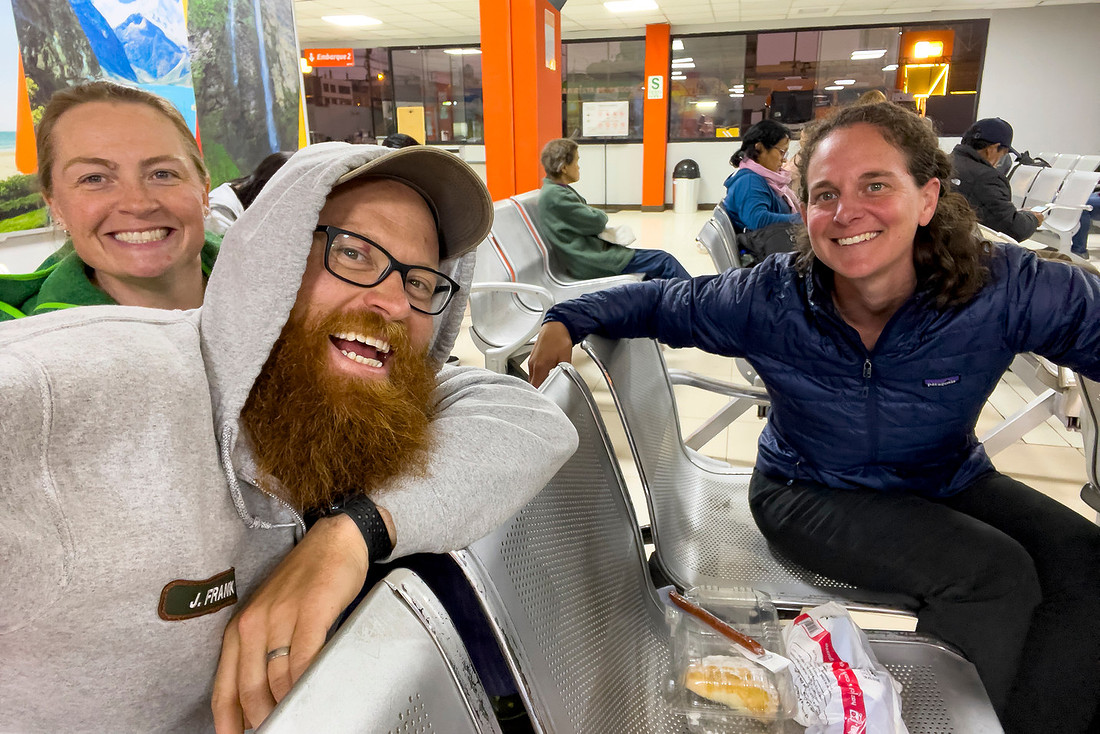

With a long layover ahead of us, we walked to a nearby grocery store to stock up on snacks and water, then settled in to wait. When the bus finally arrived, we loaded up for the overnight ride to Huaraz.
This was my first time on a long-distance Peruvian bus, and honestly—it was luxurious. The seats reclined fully into beds, there was Wi-Fi, and despite the roughly eight-hour drive, I managed to get some real sleep.
We woke up at the Huaraz bus station and were greeted by our guide, Alfonso—warm, friendly, and incredibly experienced, with something like 80 trips into the Huayhuash under his belt. We headed to the hotel to meet the rest of our group, including our friend Will and my brother-in-law Kyle.
Huaraz sits at around 10,000 feet and serves as a basecamp for some of the most spectacular mountain scenery in northern Peru. Also, the town was alive with a festival—parades, fireworks, floats, and music filled the streets. We wandered the town, drank pisco sours, had dinner back at the hotel, then packed bags, charged batteries, and made final preparations for an early start.
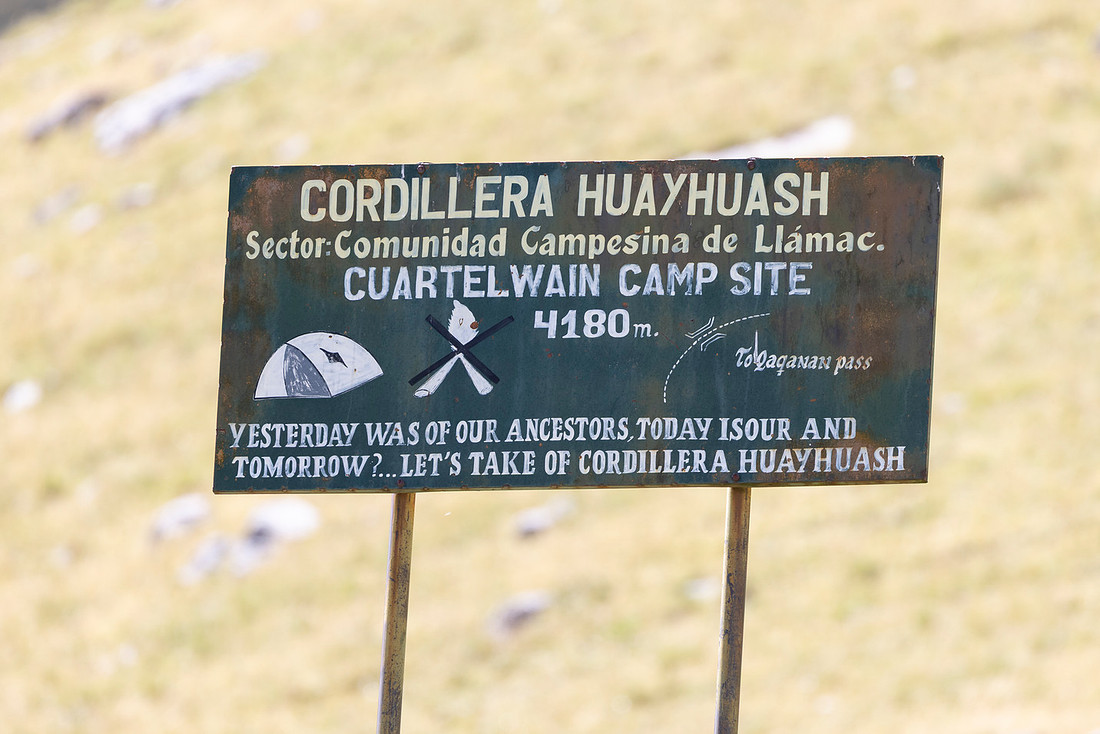
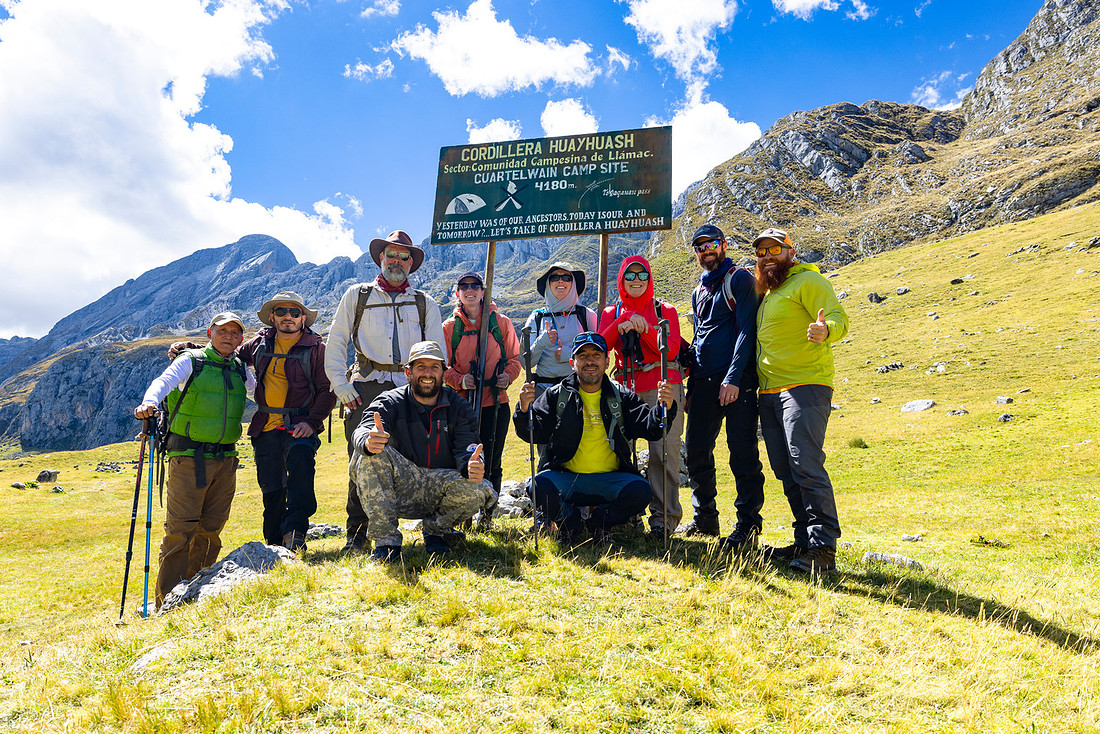
The next morning we boarded a shuttle for the long drive—about five hours—to the trailhead at Cuartelwain, stopping in a small town along the way for breakfast.
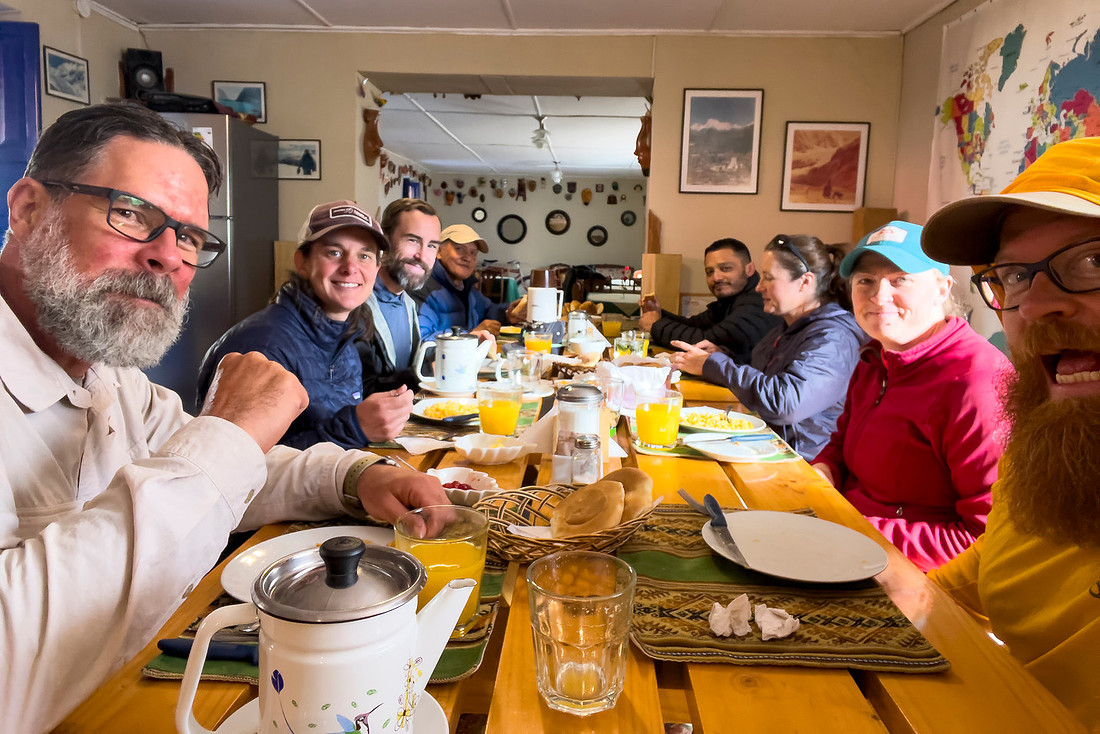
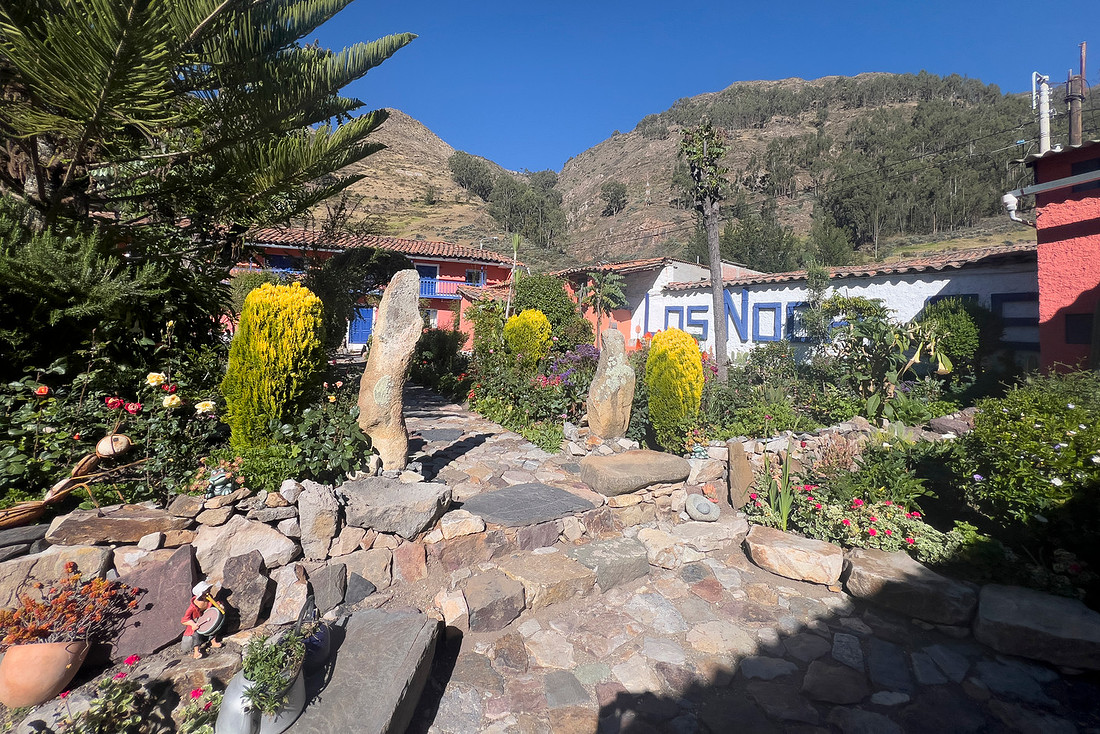
As we drove deeper into the mountains, the Cordillera Blanca rose around us—our first truly big peaks of the trip.
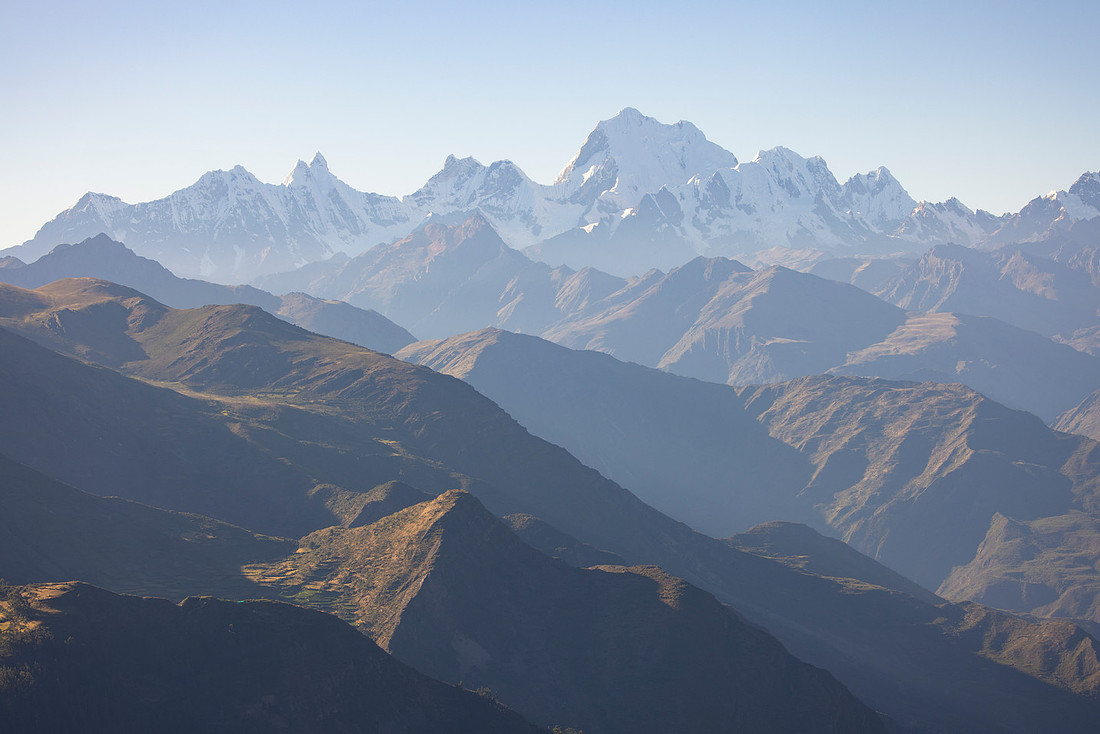
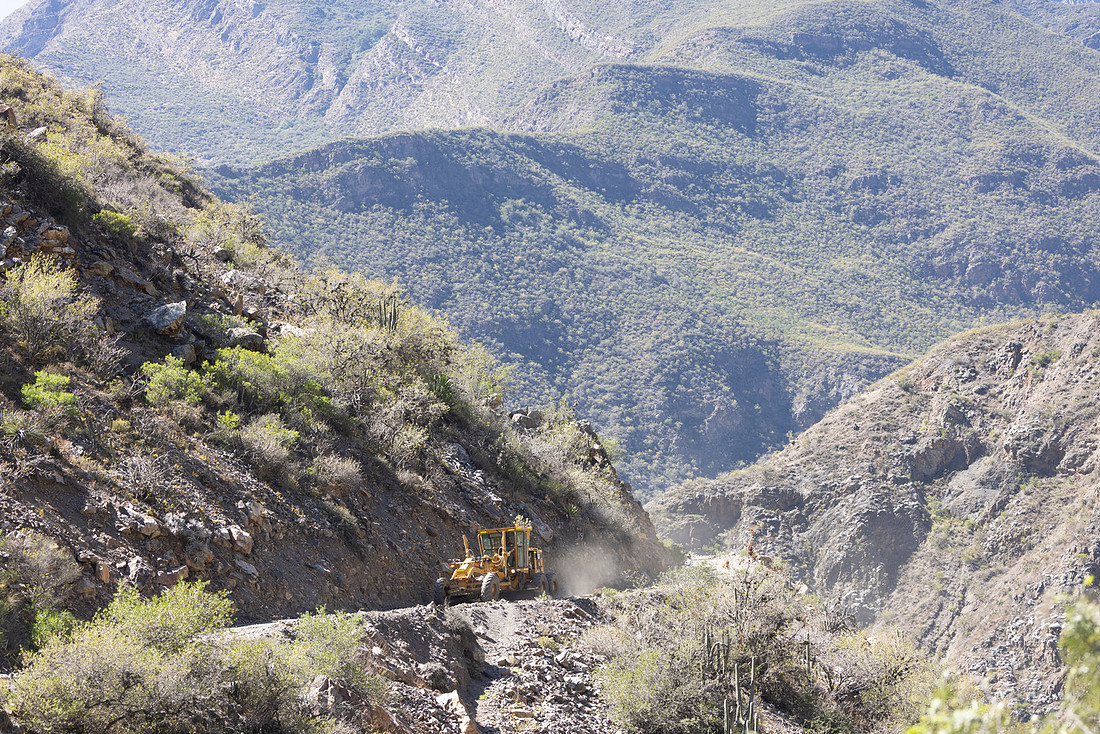
When we reached the trailhead, spirits were high. Packs were loaded, water bottles filled, and the caballeros headed out ahead of us with the gear to set up camp.
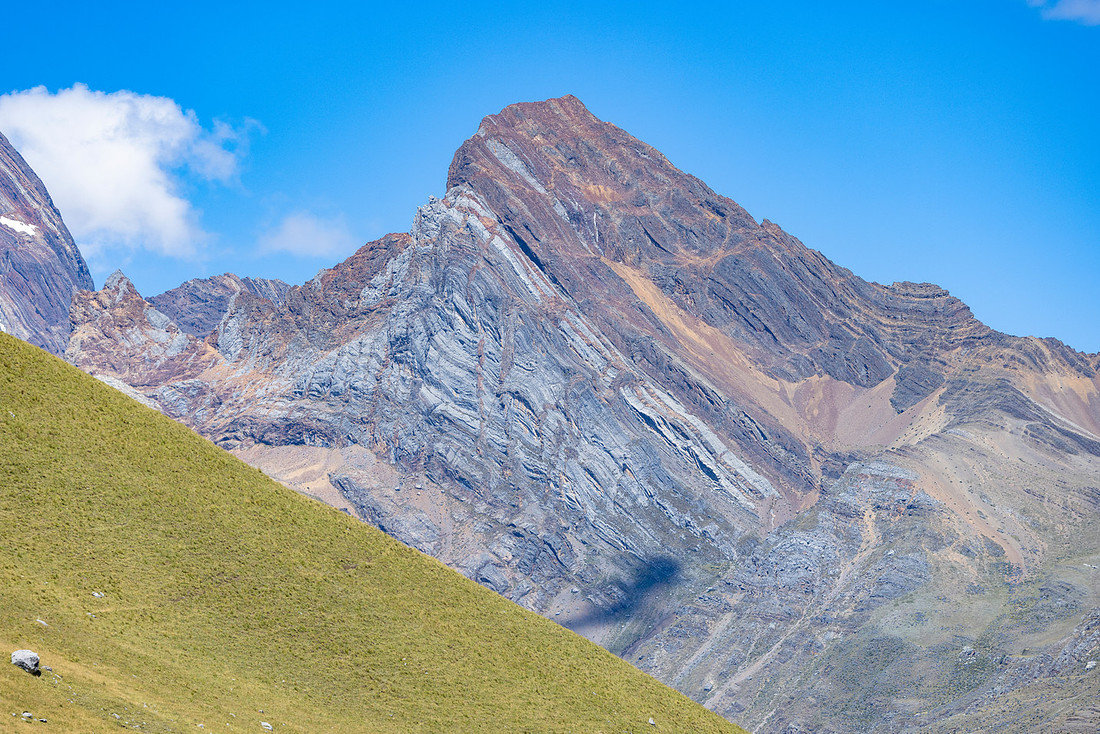
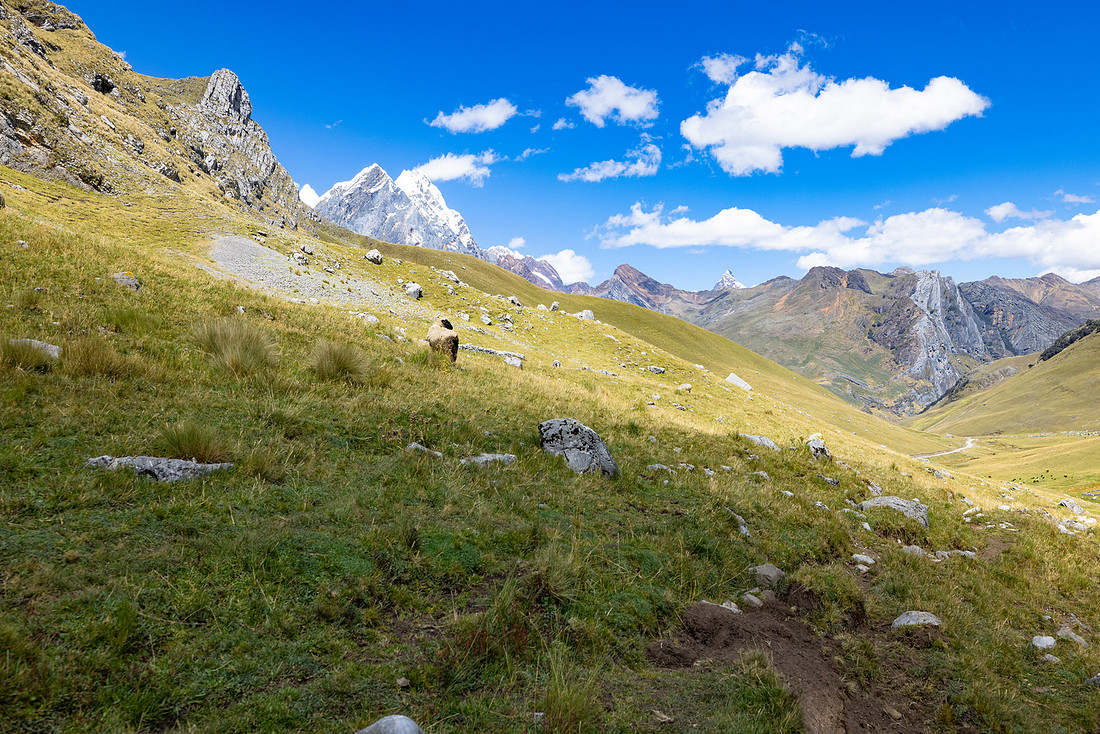
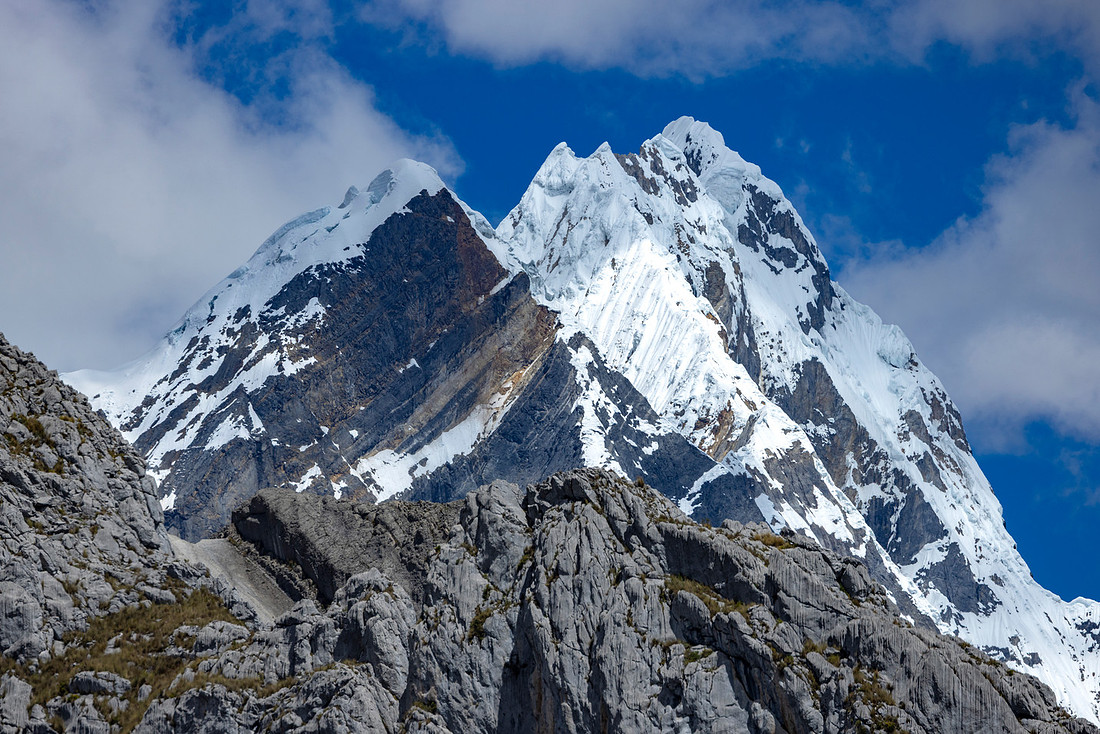
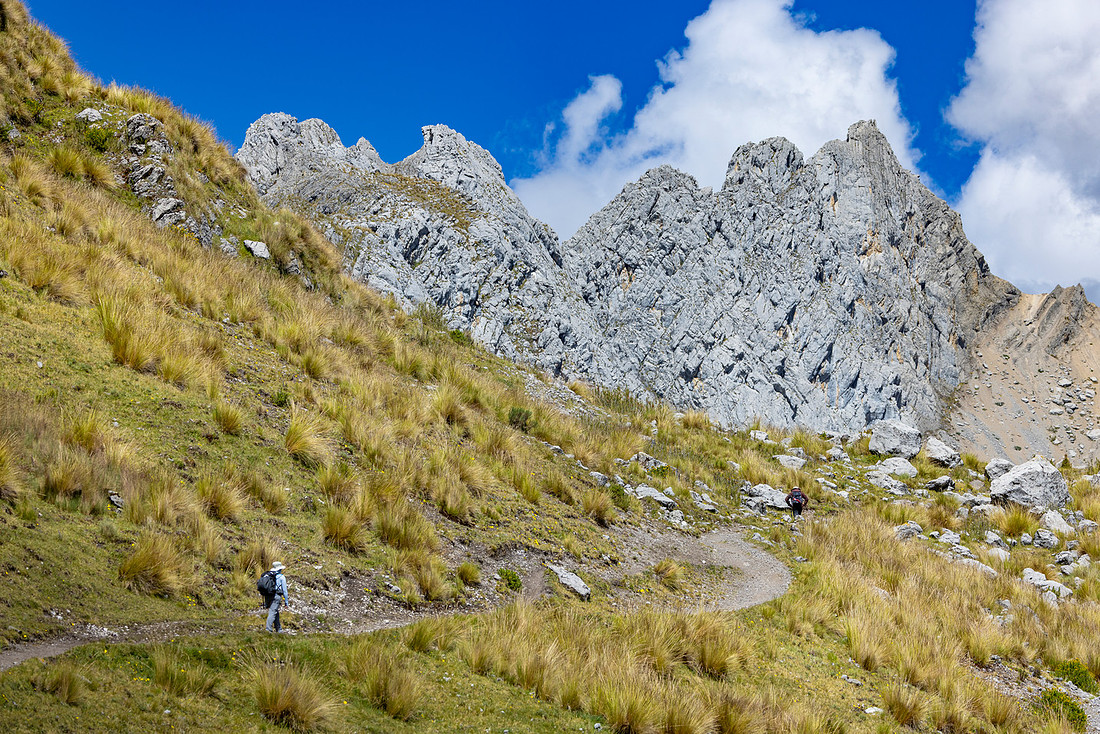
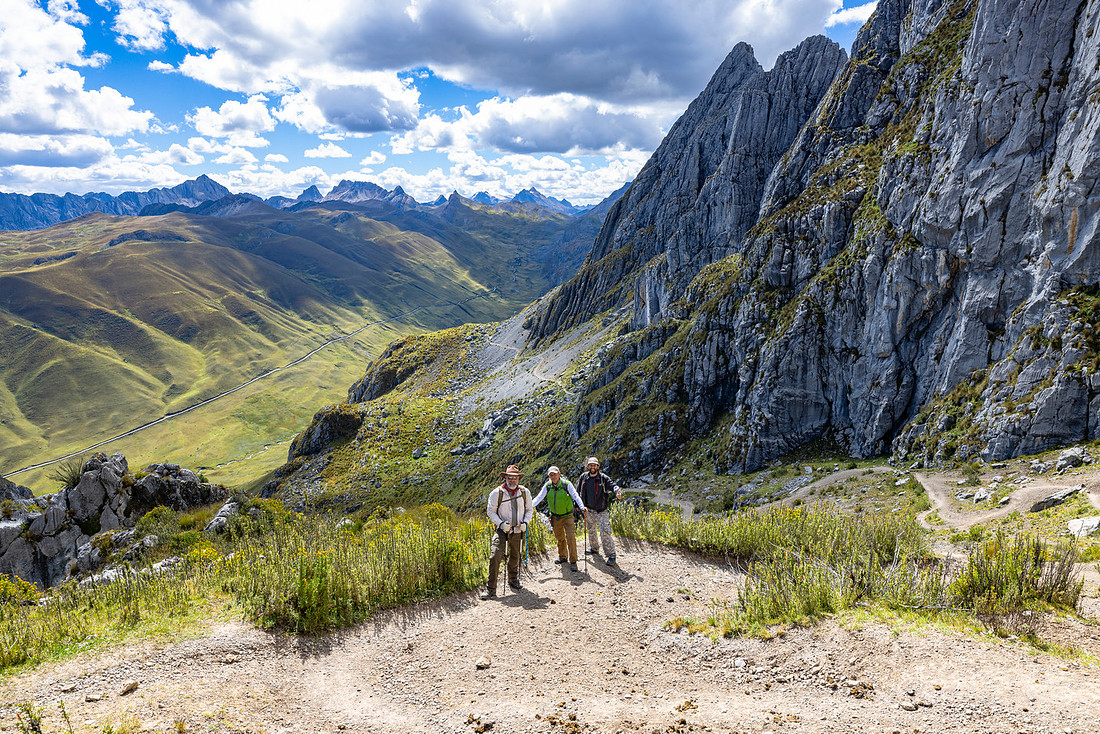
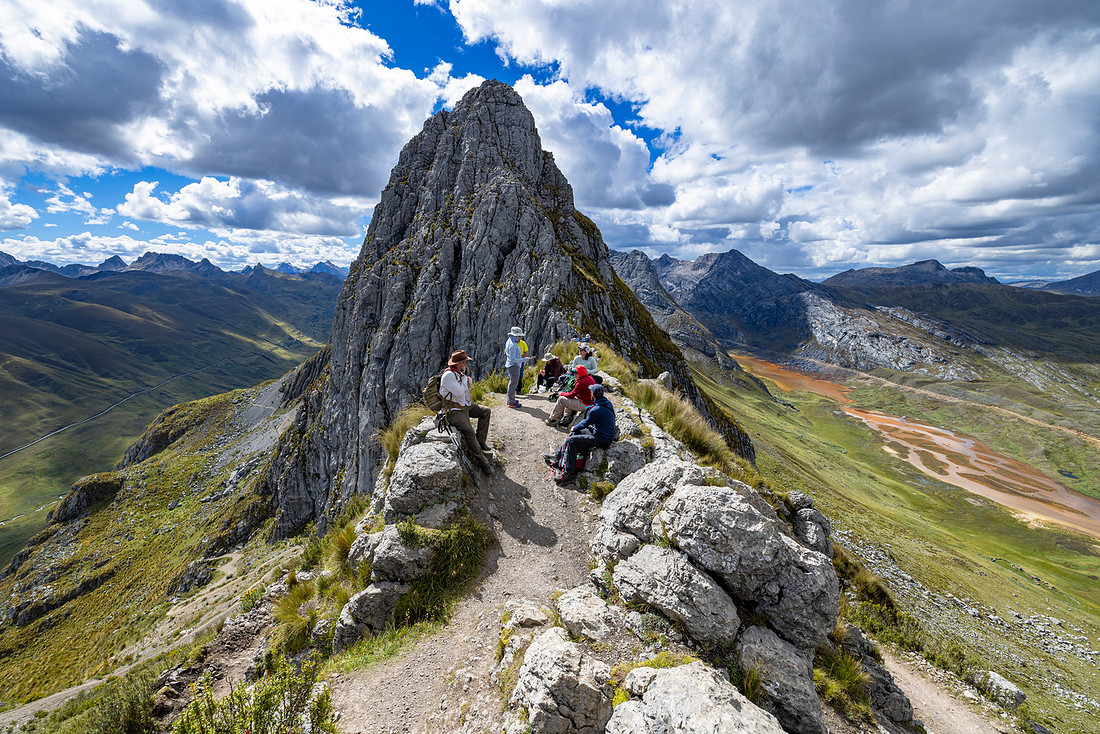
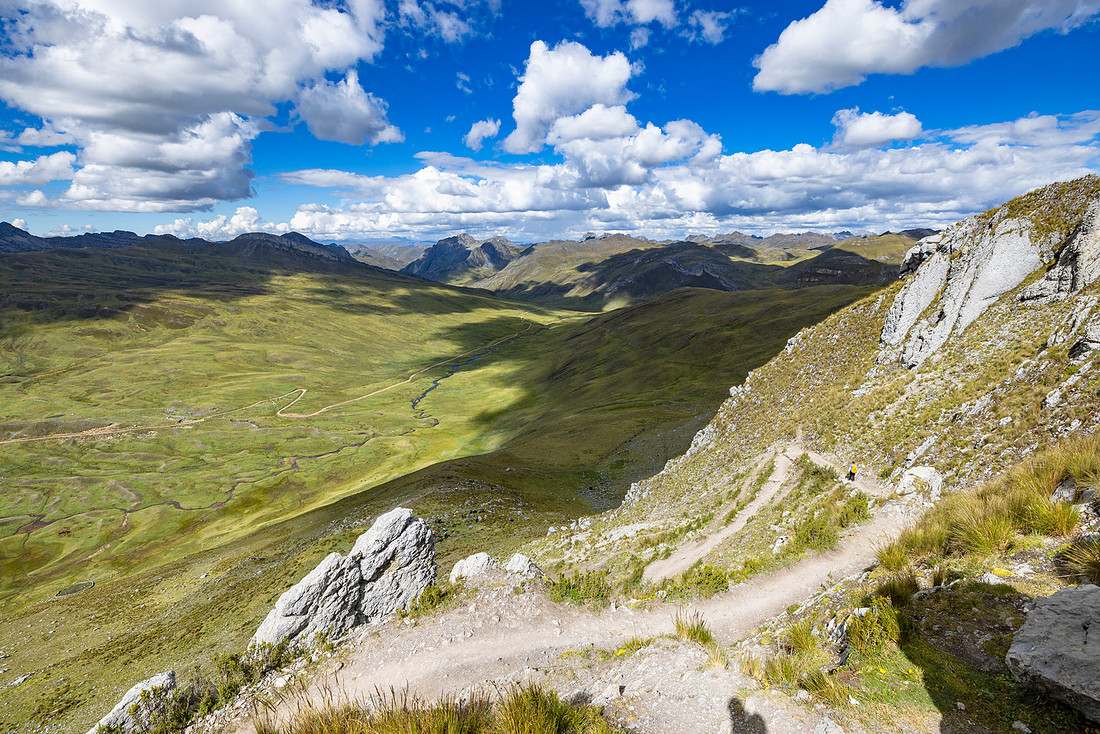
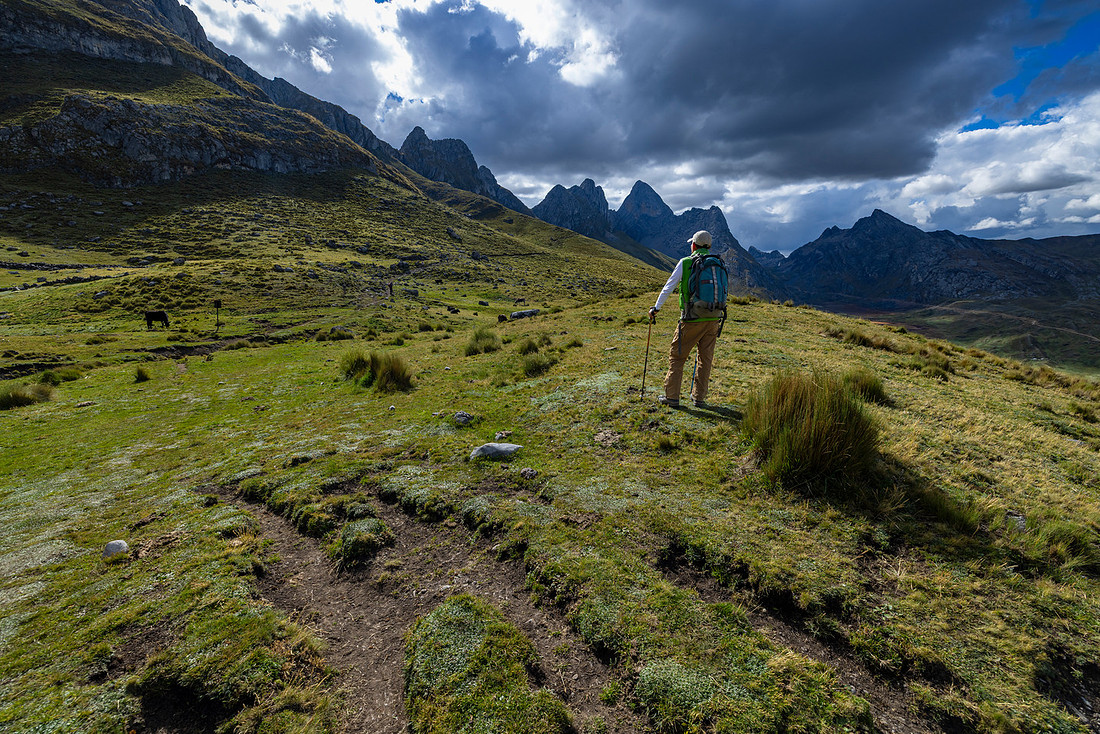
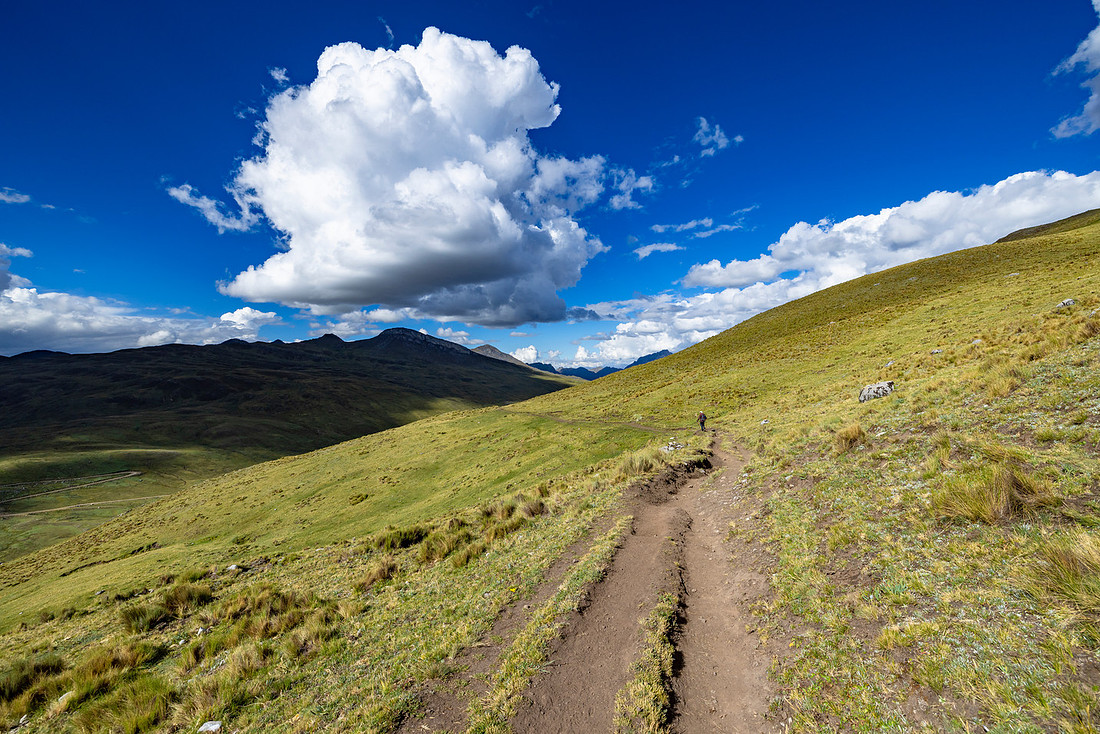
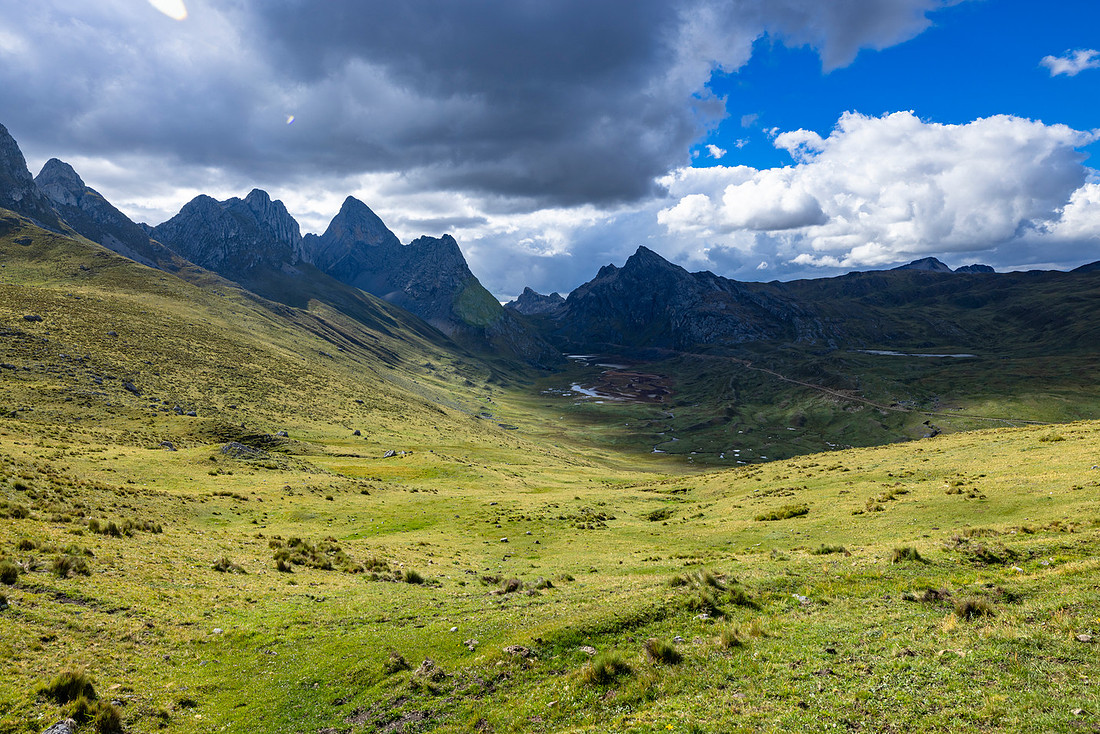
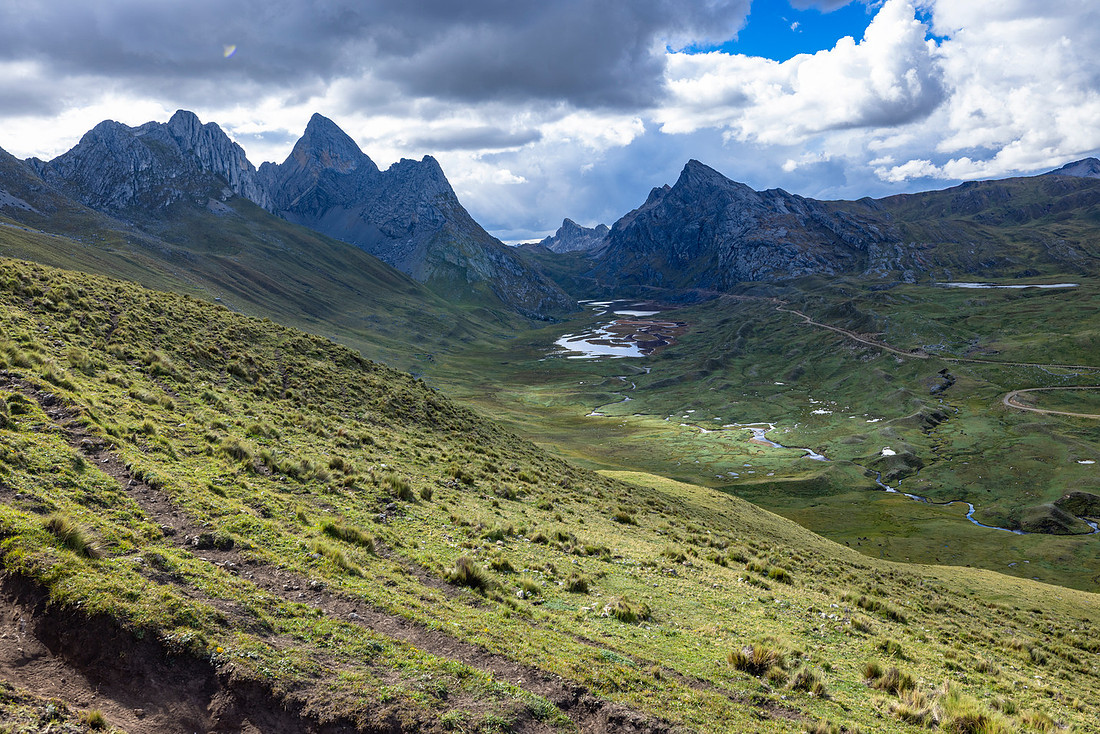
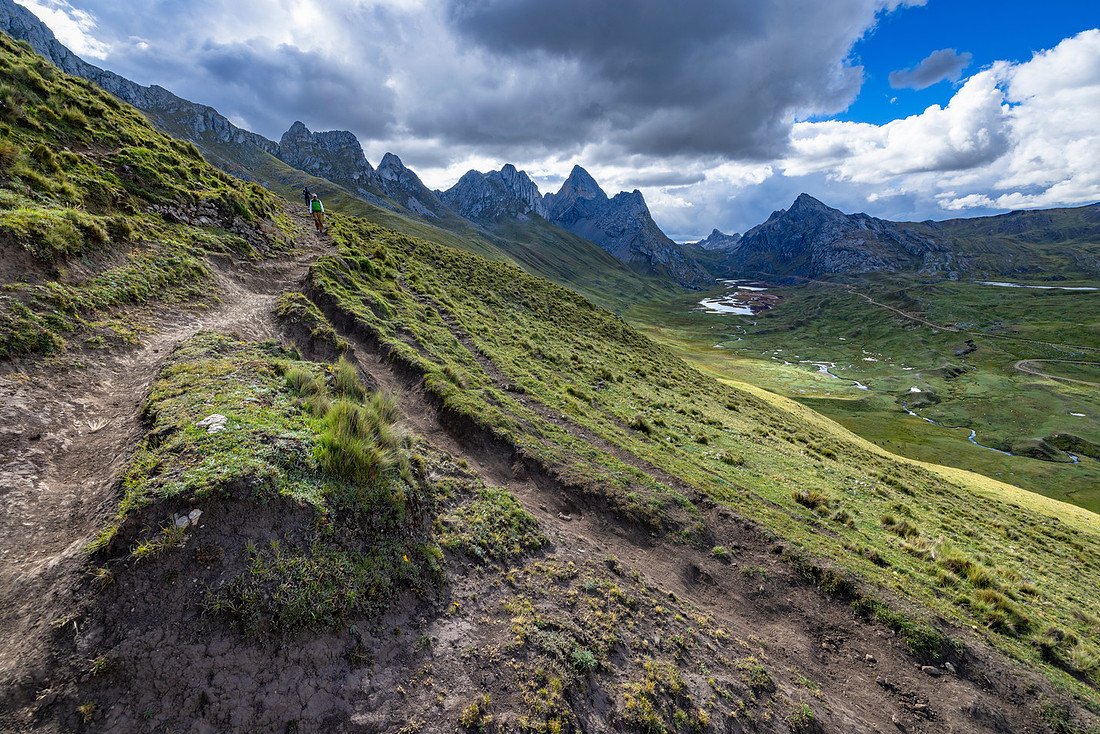
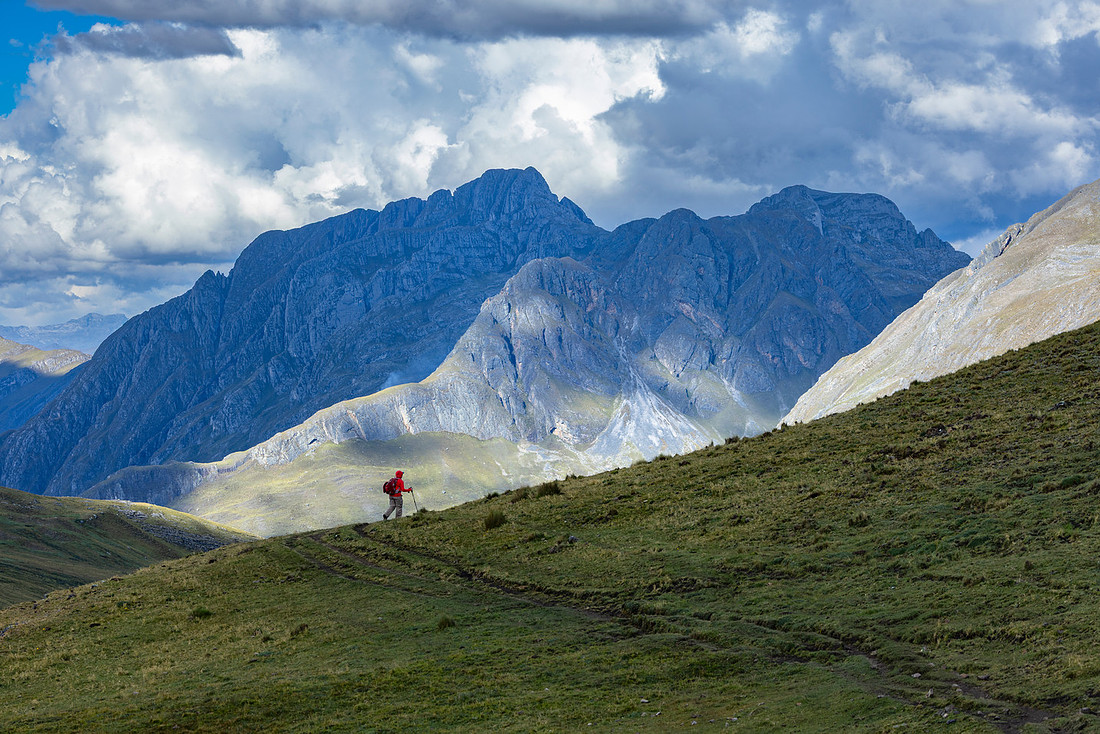
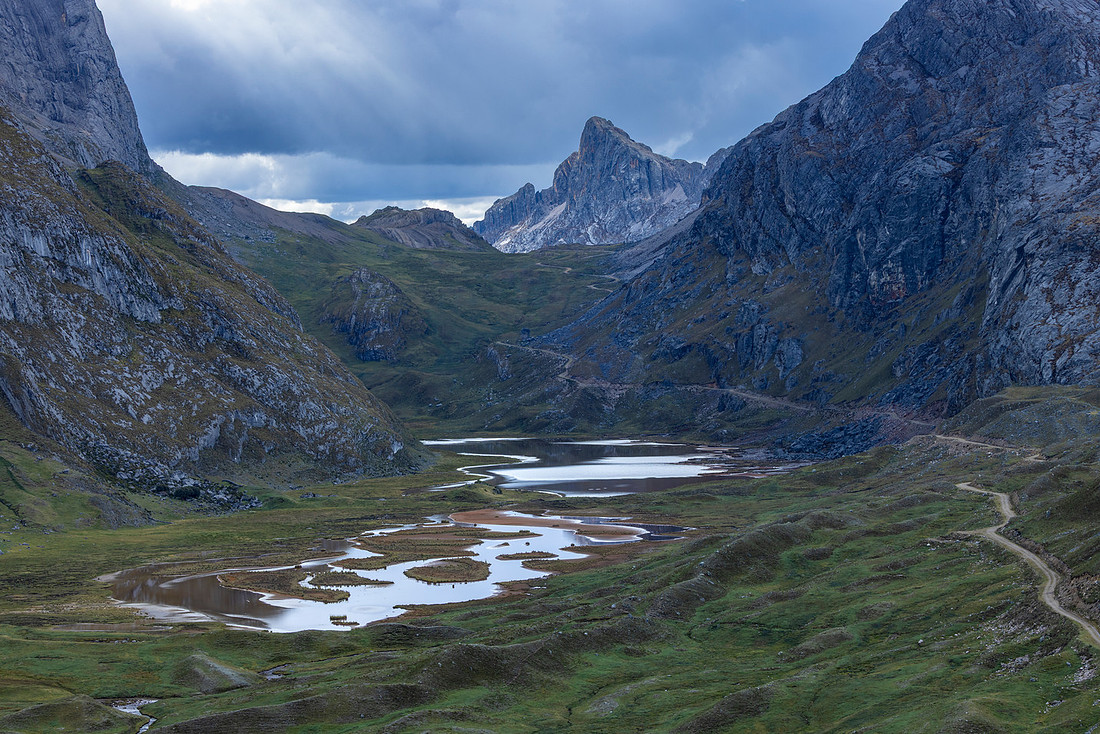
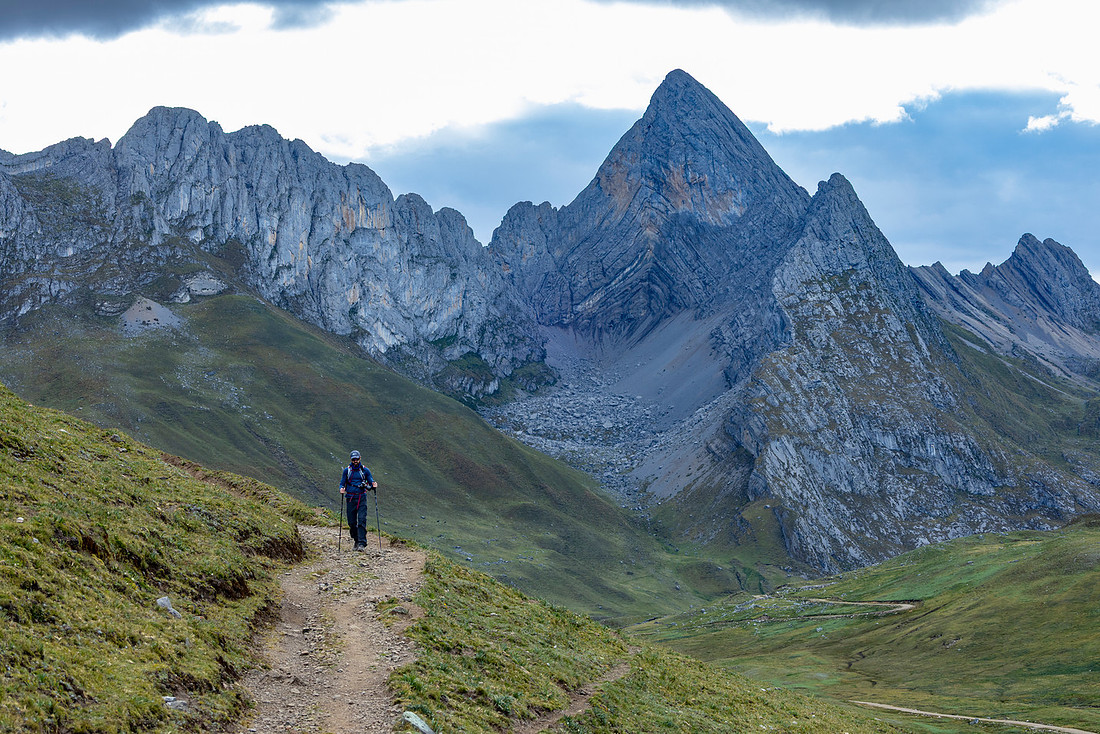
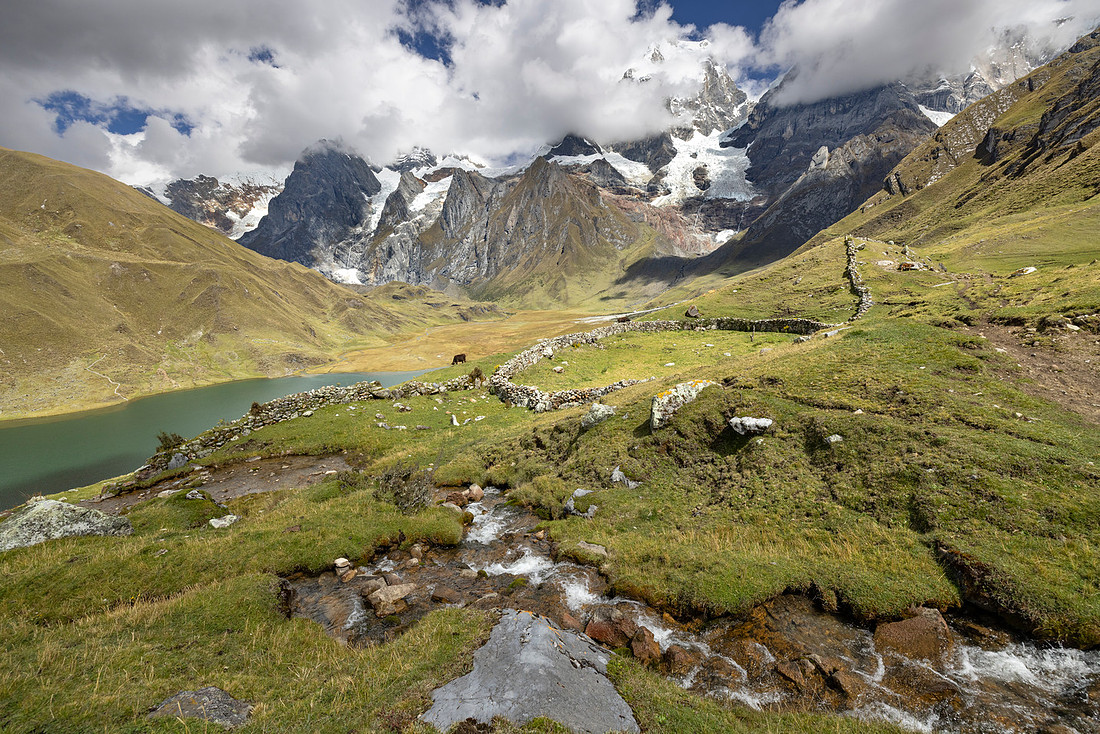
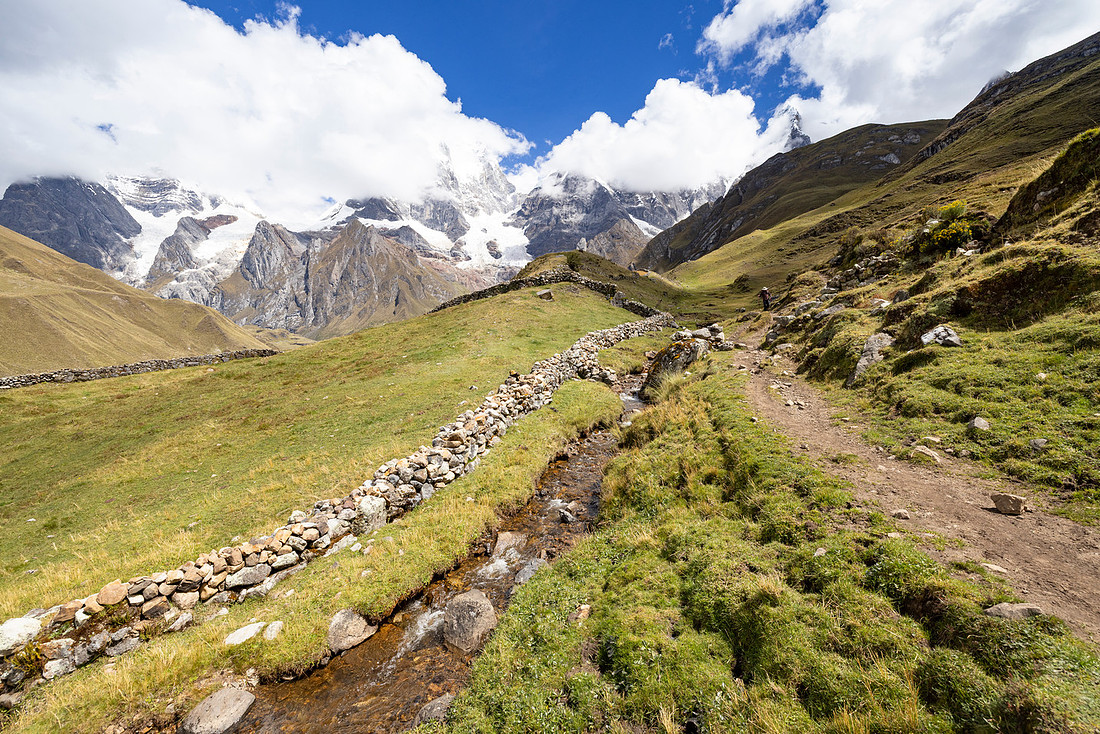
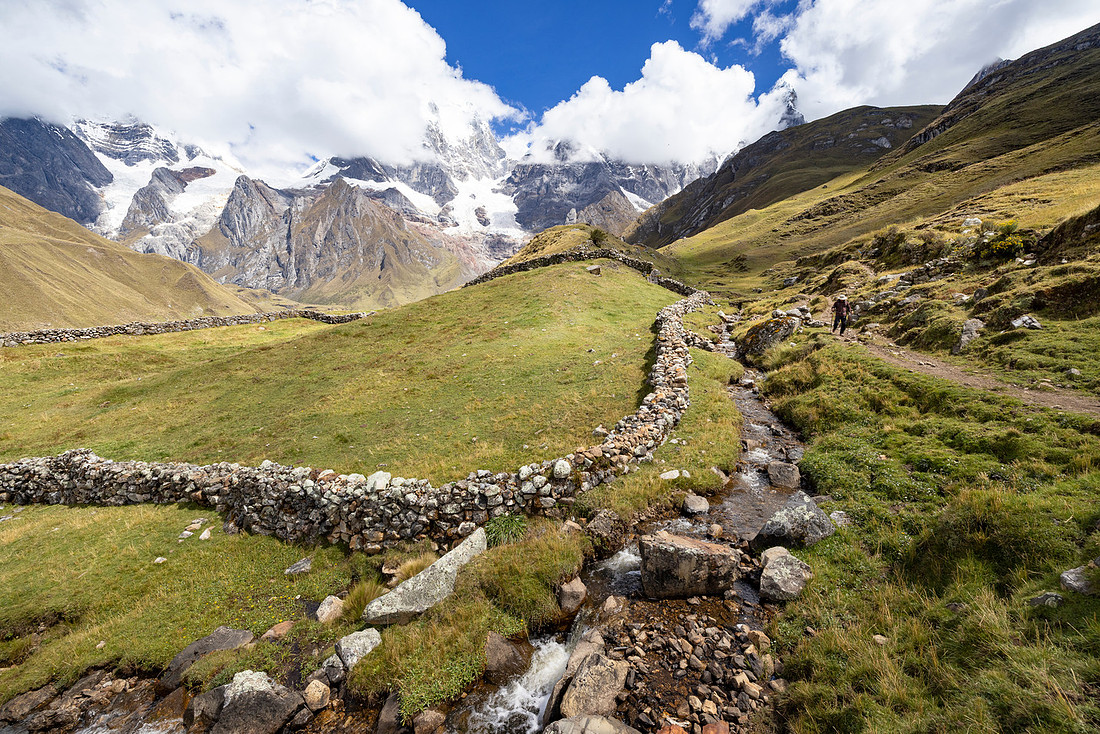
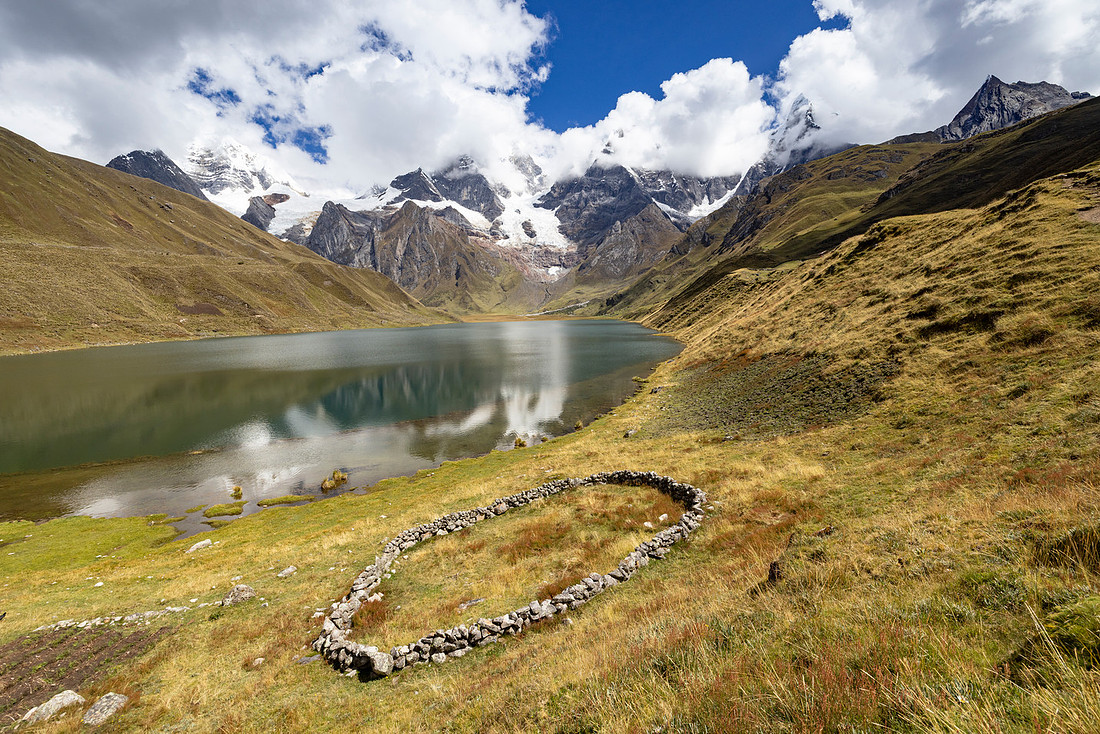
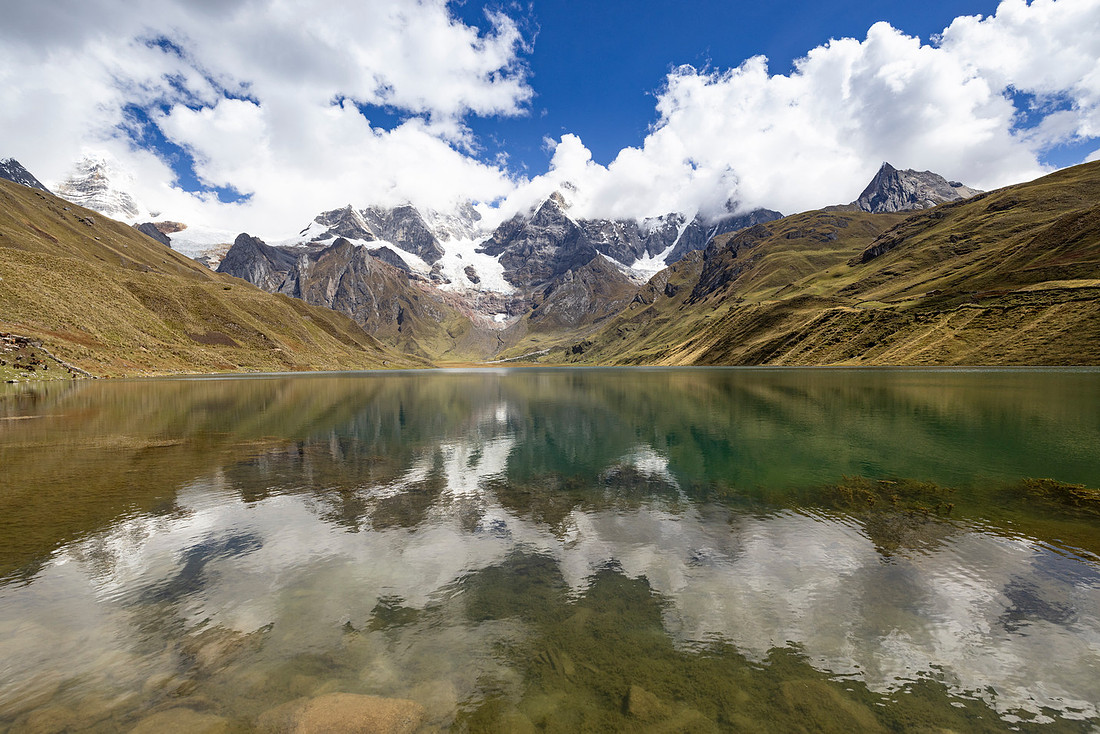
The hiking was slow thanks to the altitude, but the weather was good and the scenery unreal. This region is a dramatic collision of tectonic plates—towering limestone peaks carved by glaciers, turquoise lakes fed by ice melt, and valleys shaped by millennia of uplift and erosion.
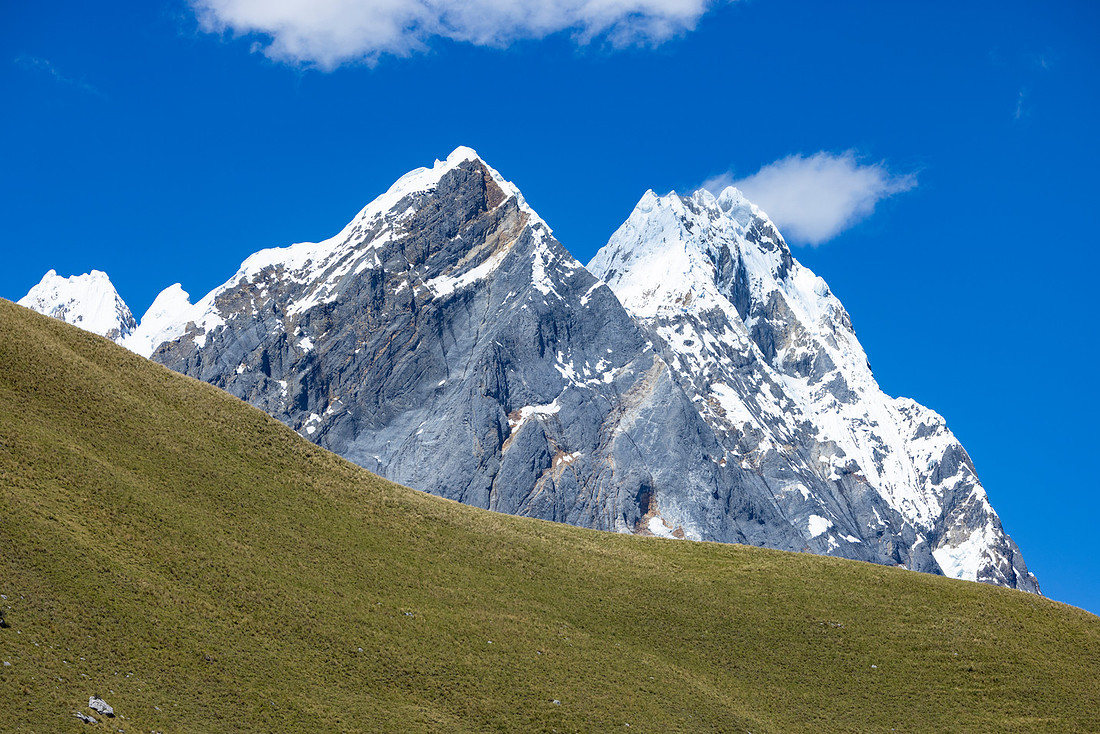
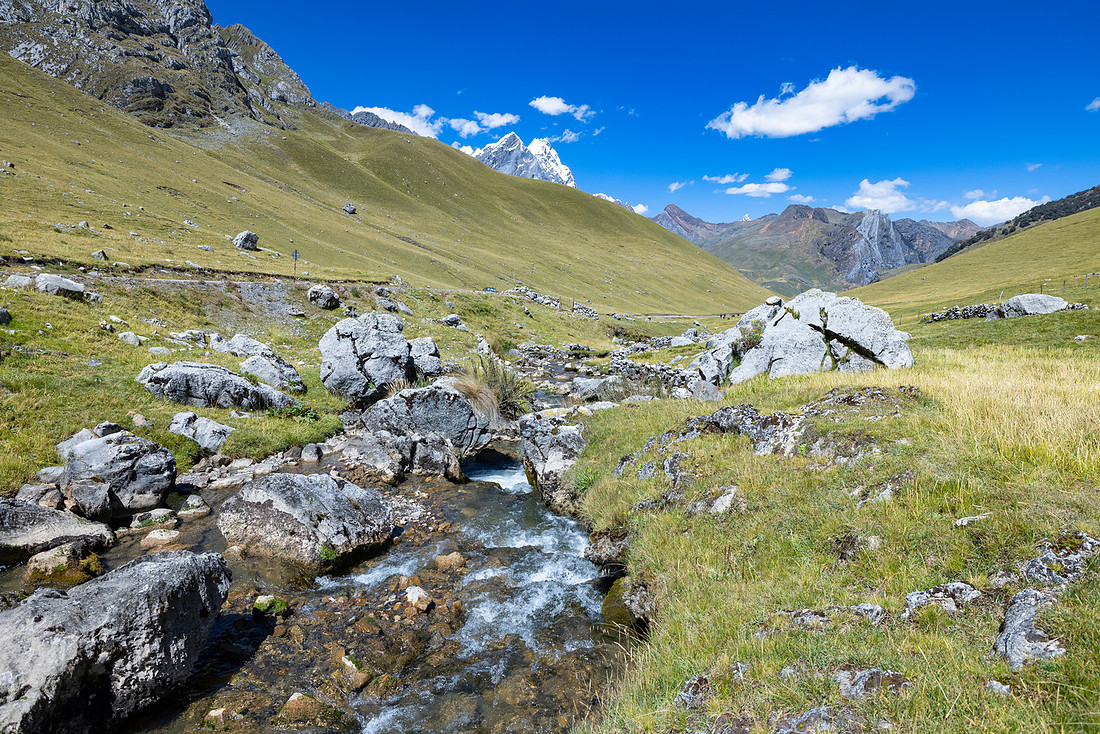
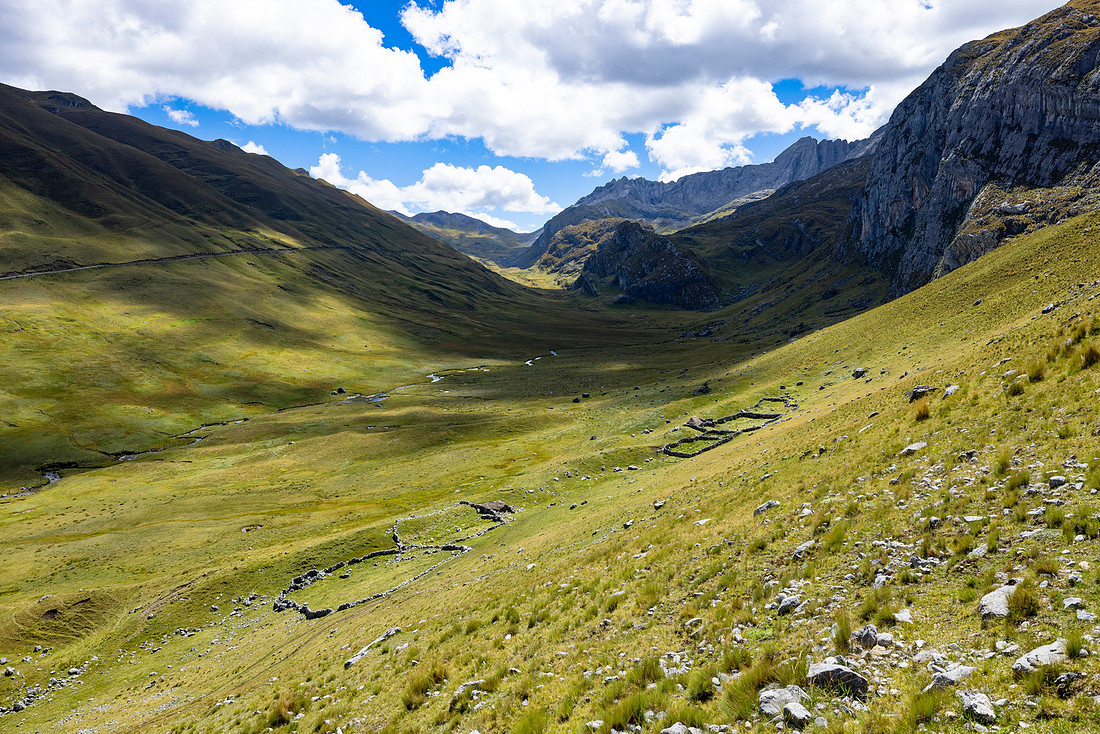
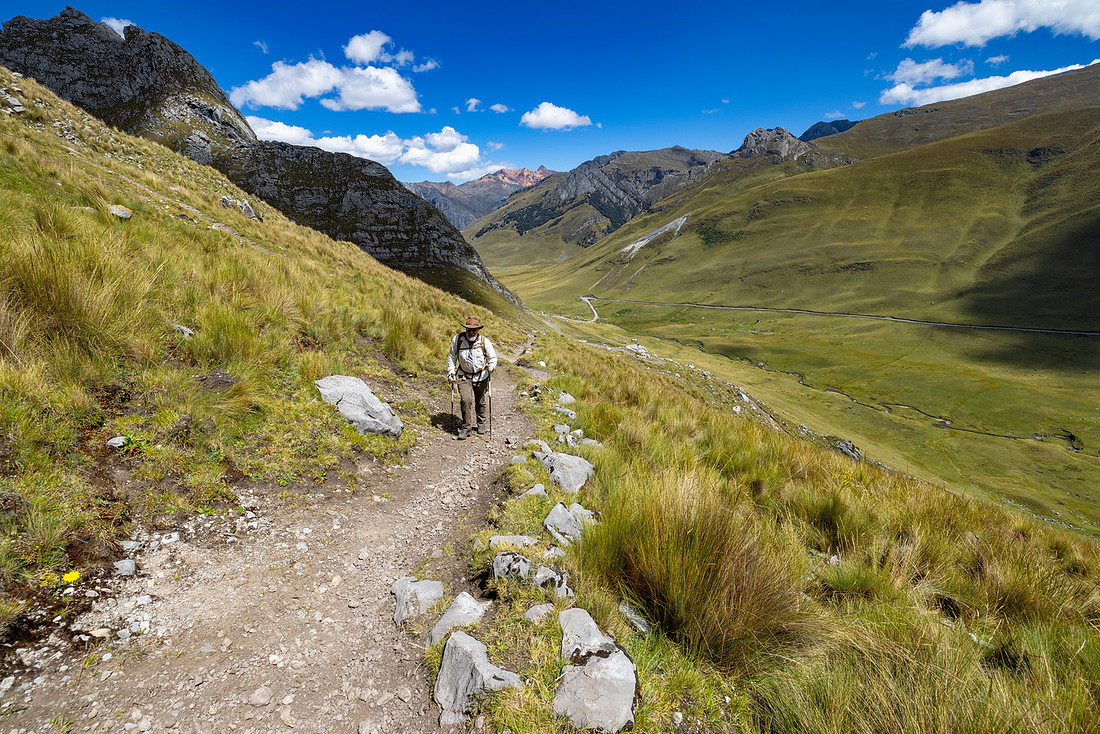
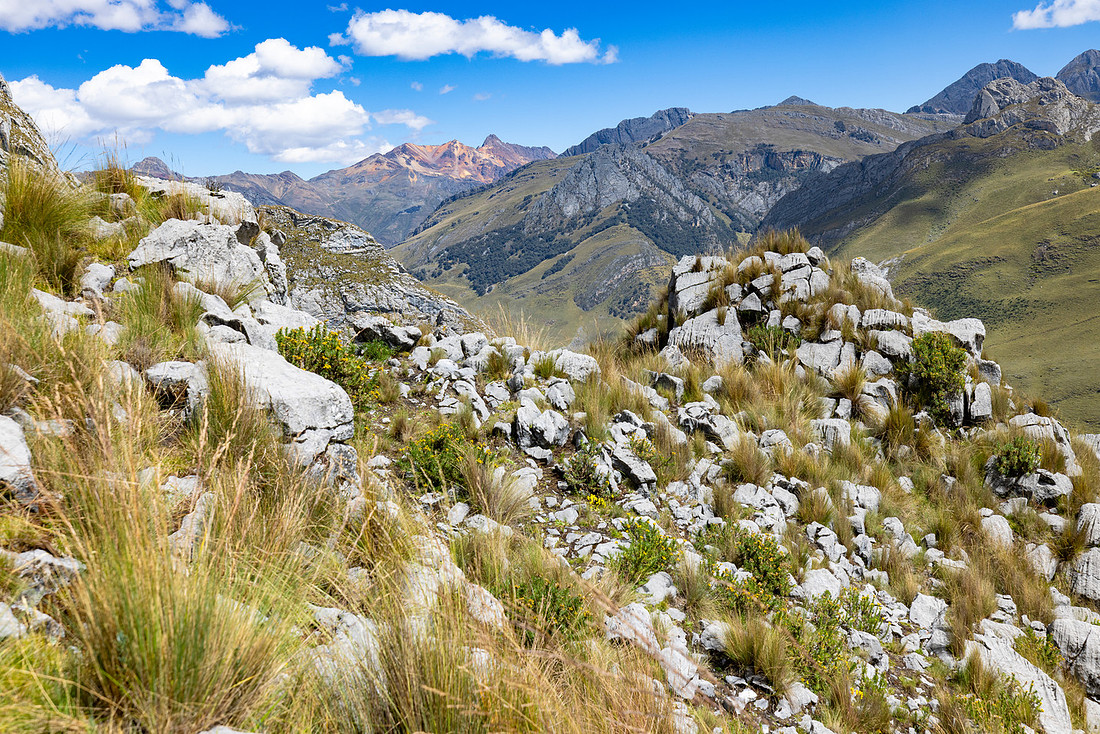
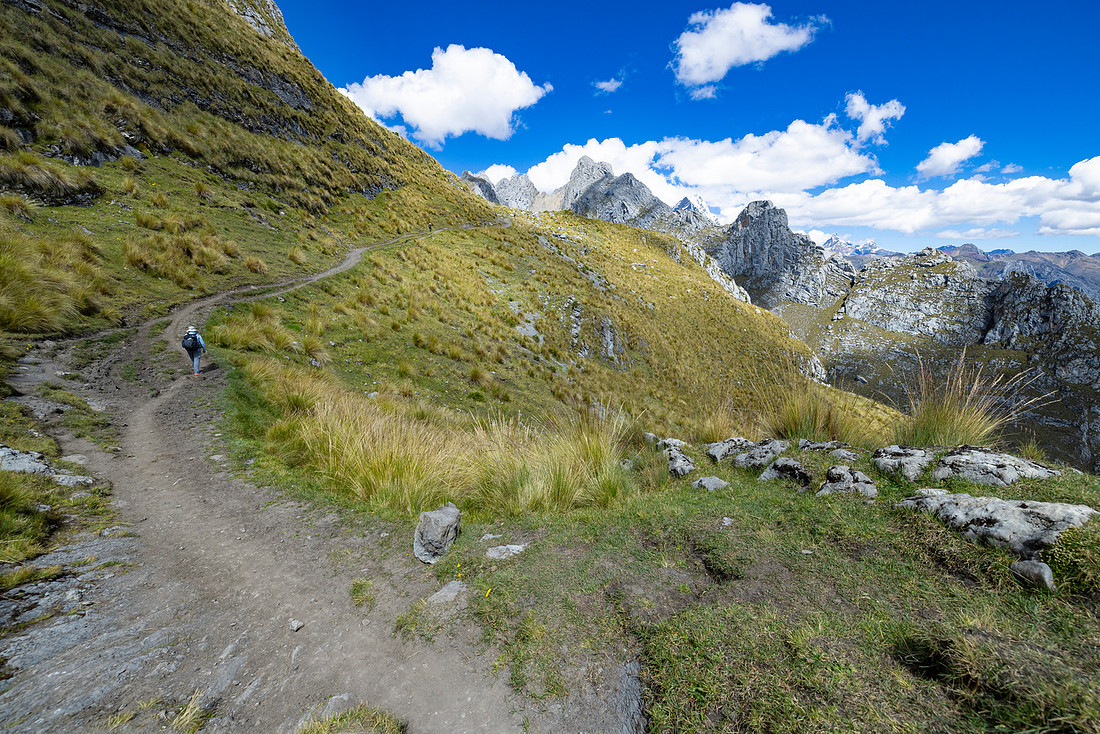
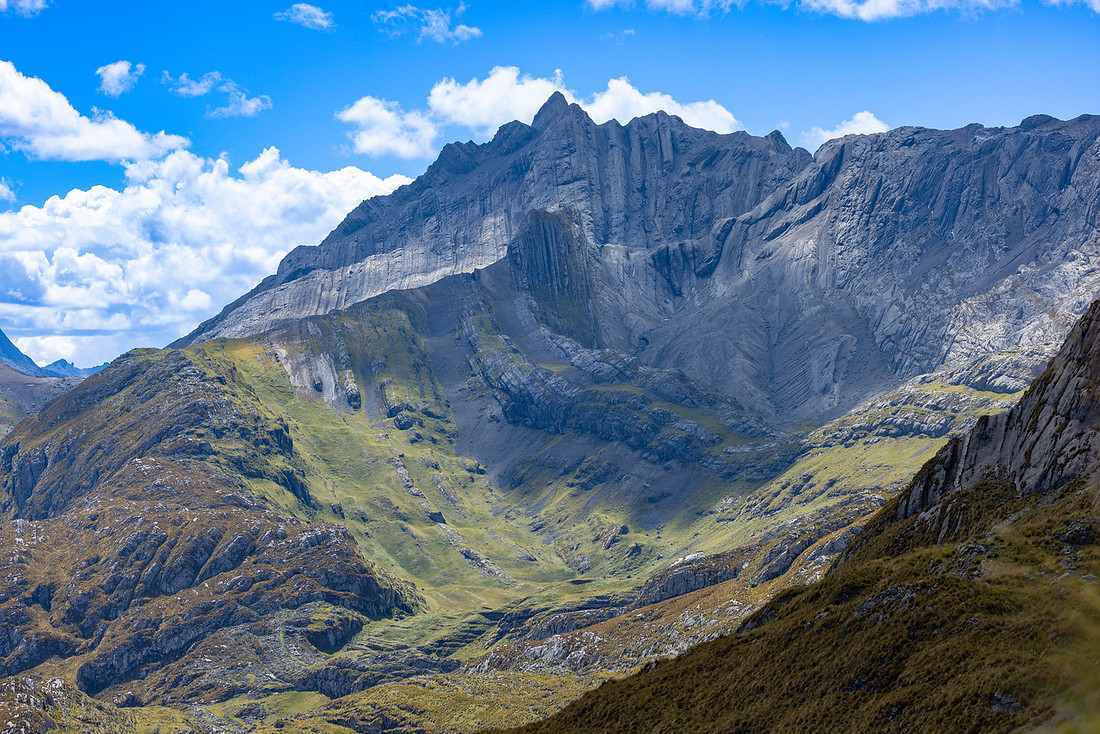
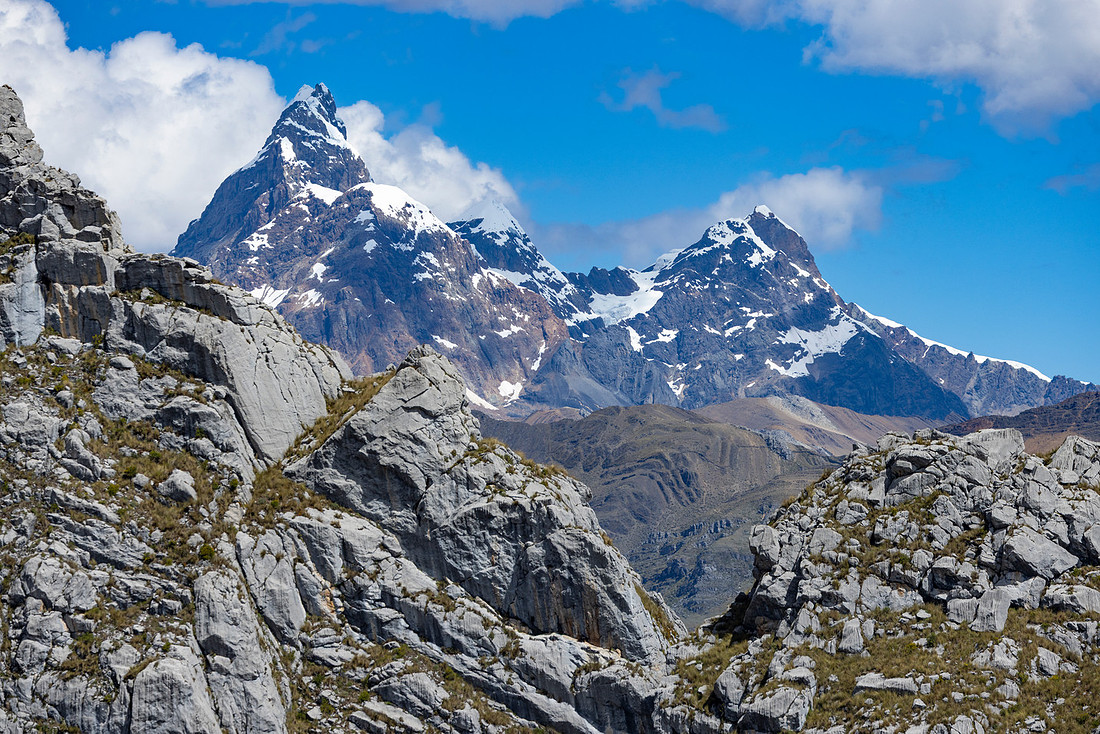
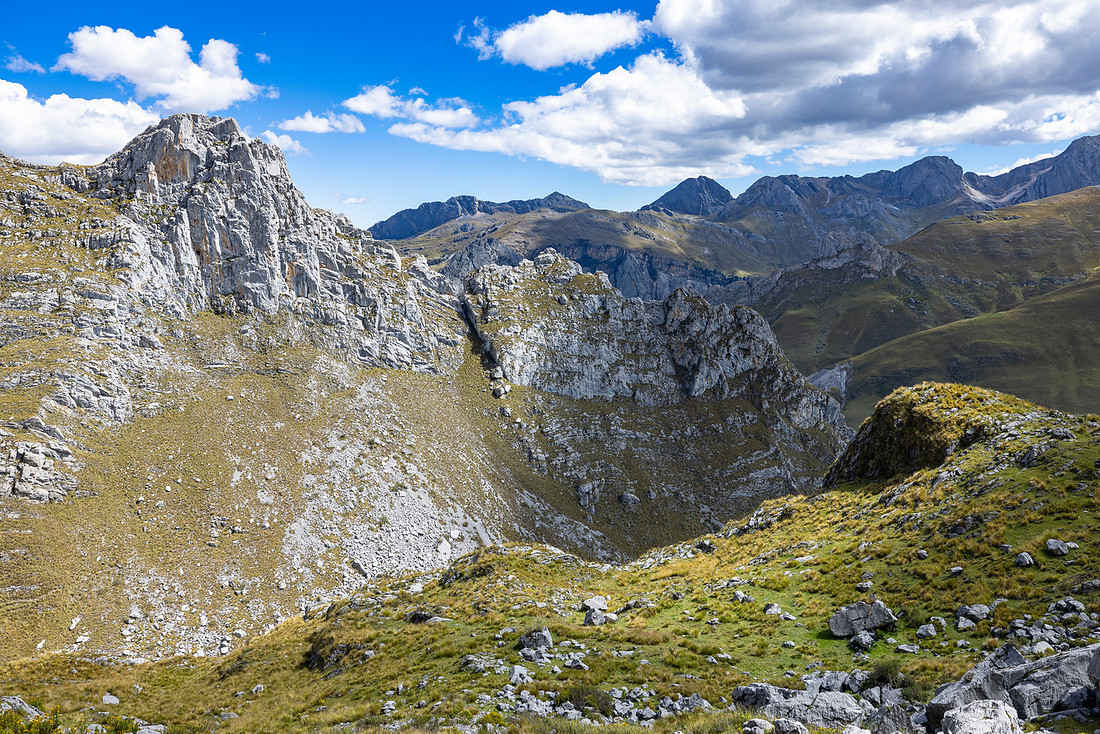
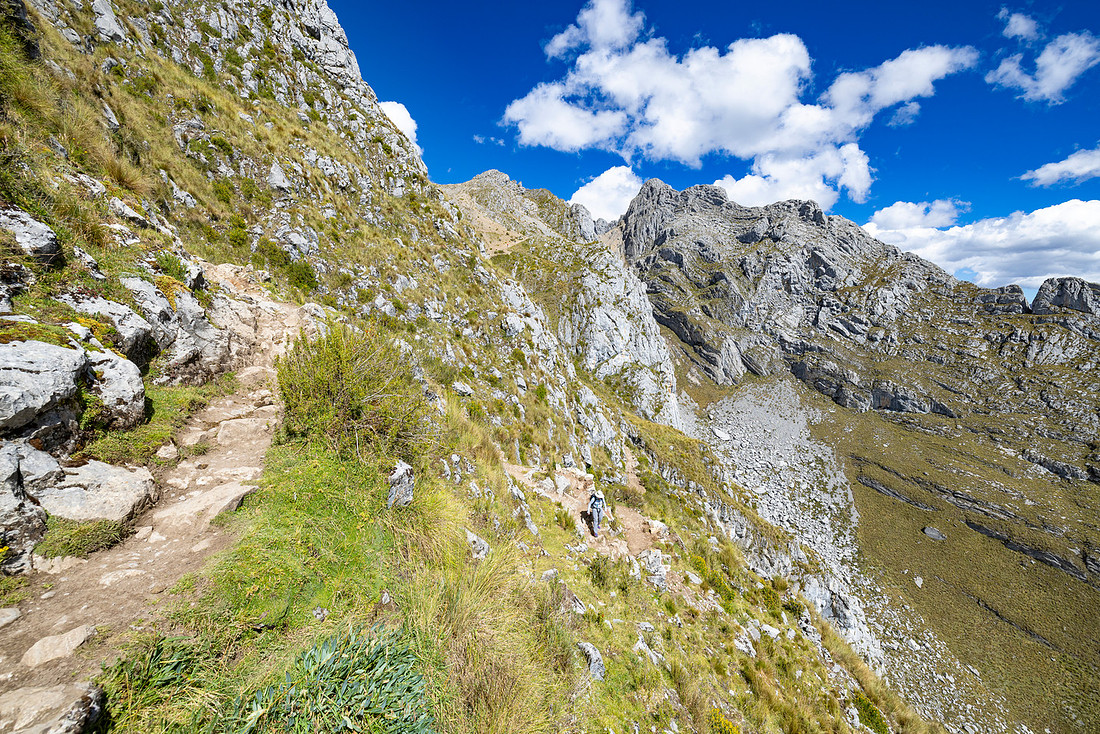
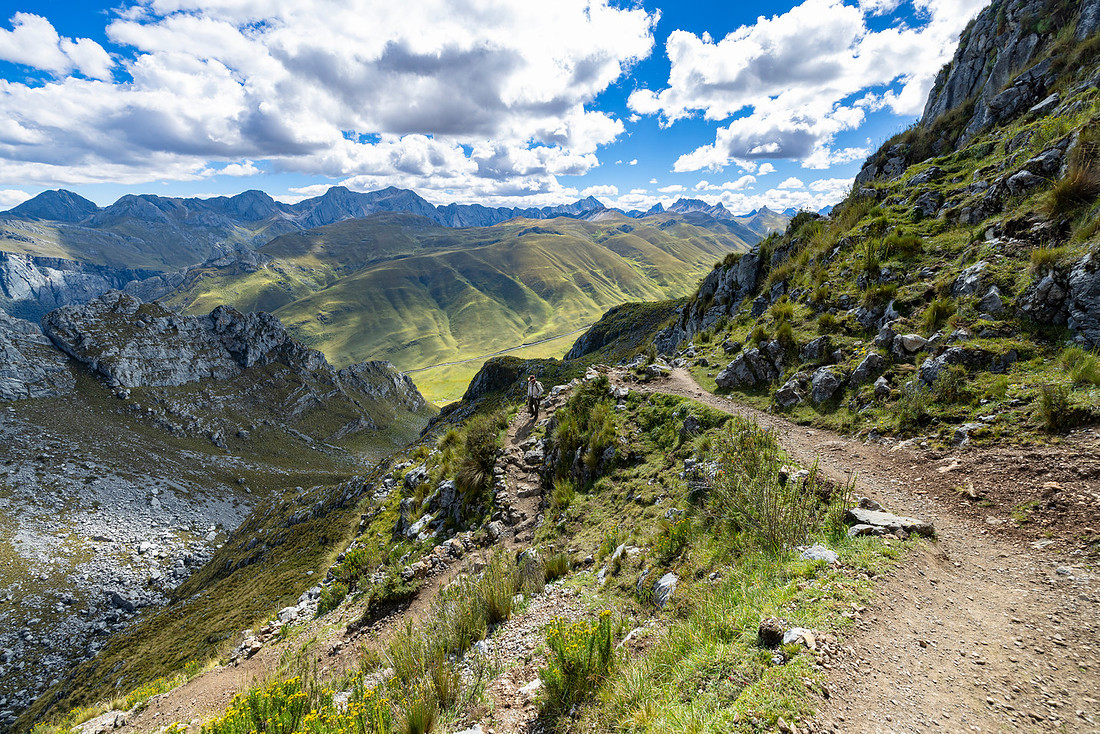
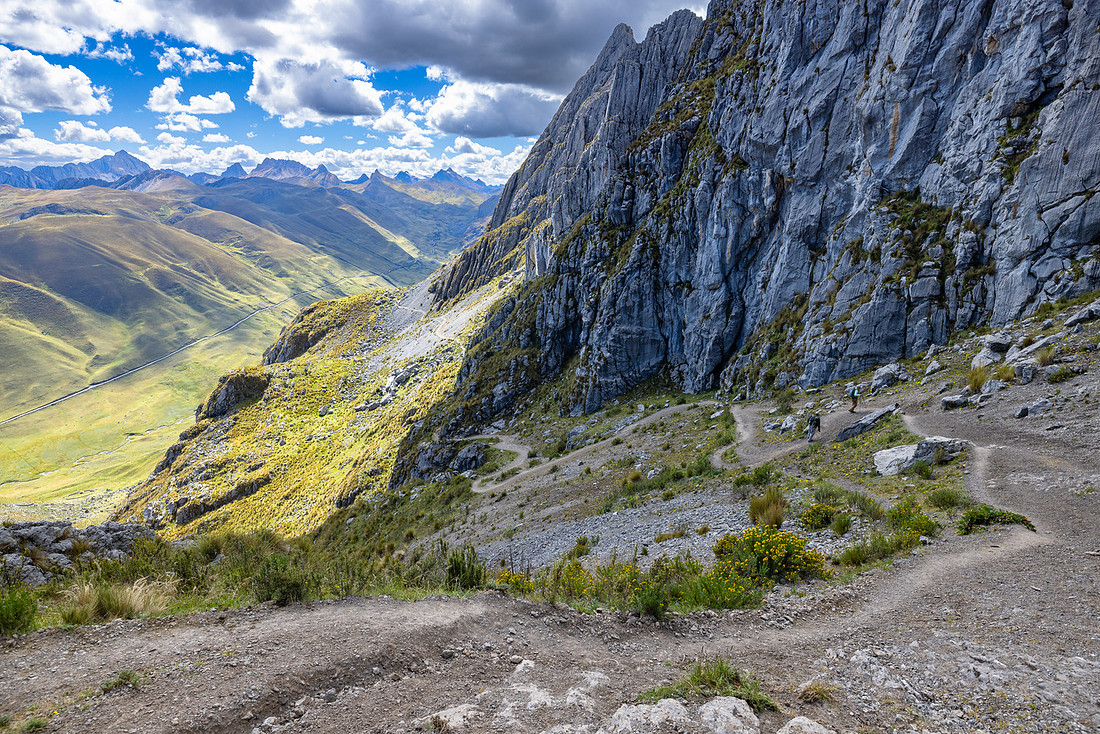
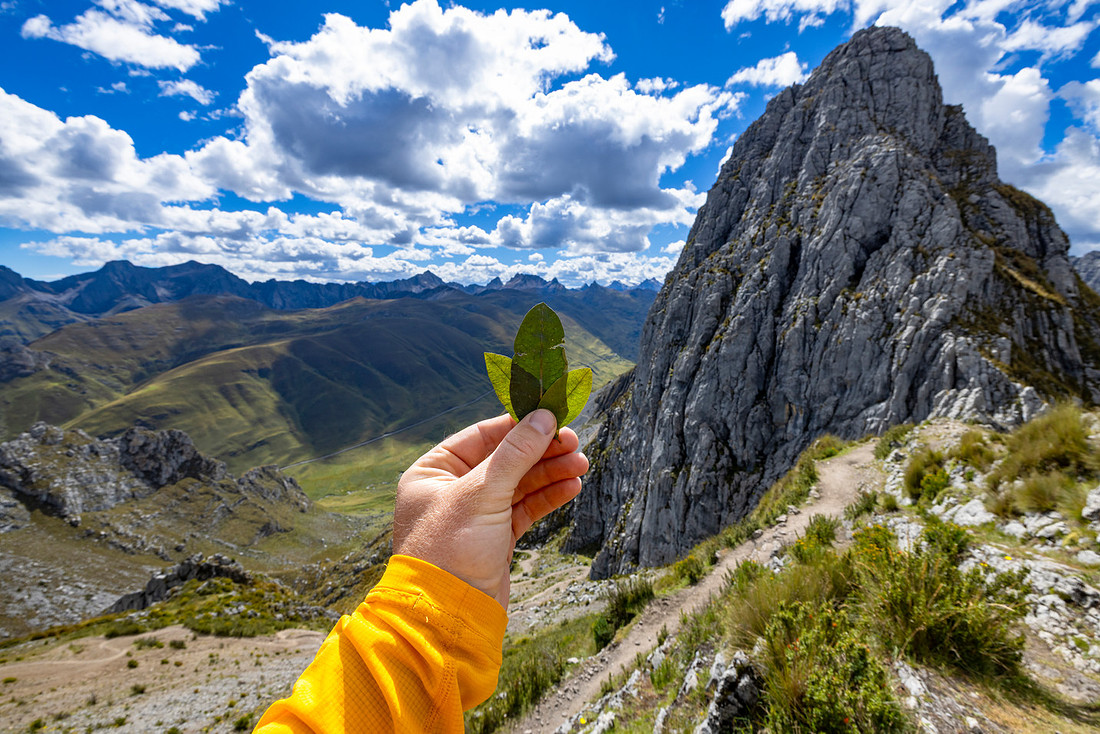
One thing our Inca Trail guide, Yamil, had emphasized earlier was the importance of bringing coca leaves to leave offerings for the Apus—the mountain spirits—when crossing high passes.
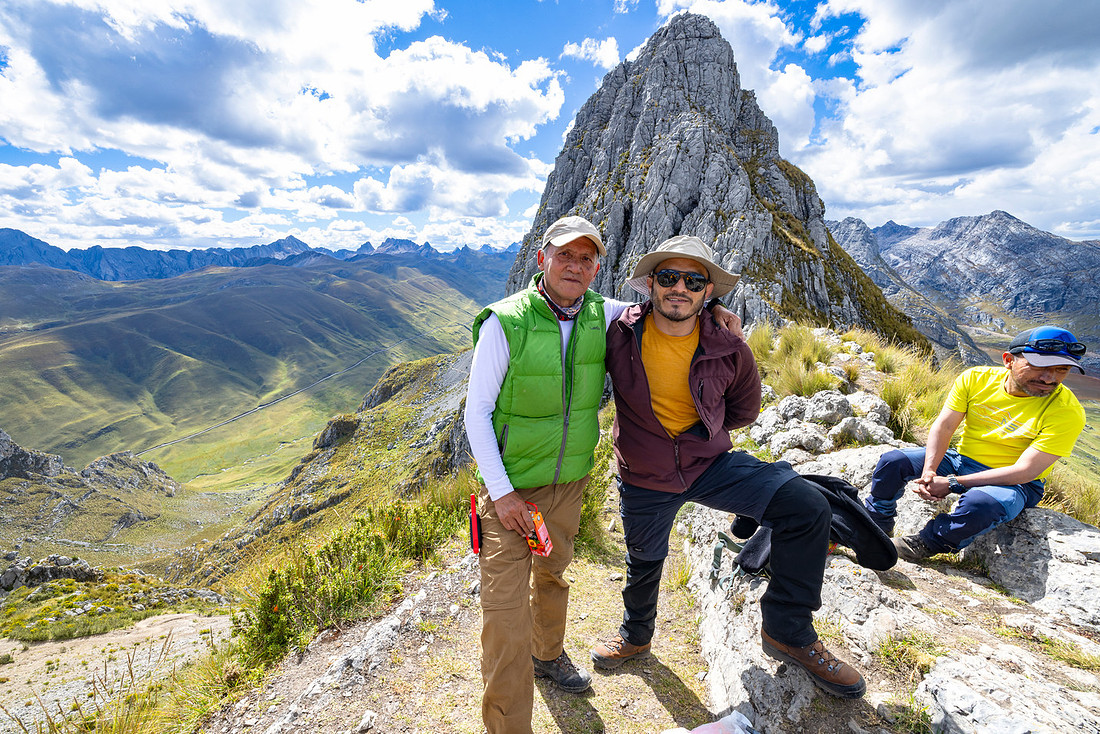
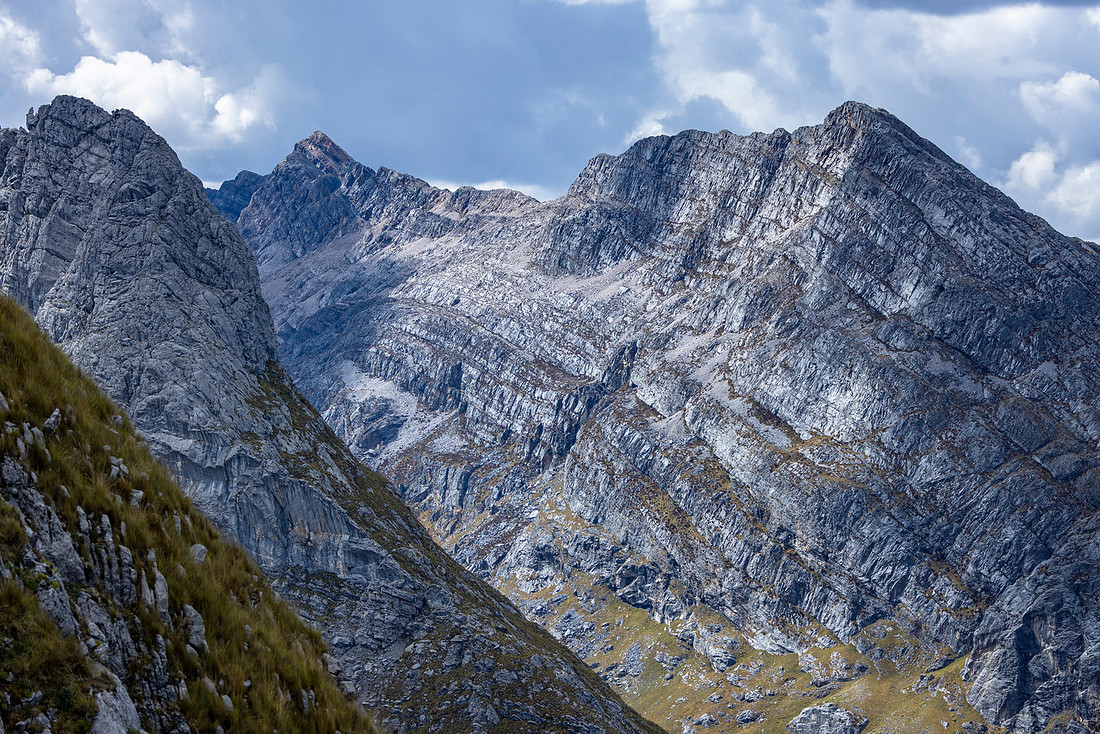
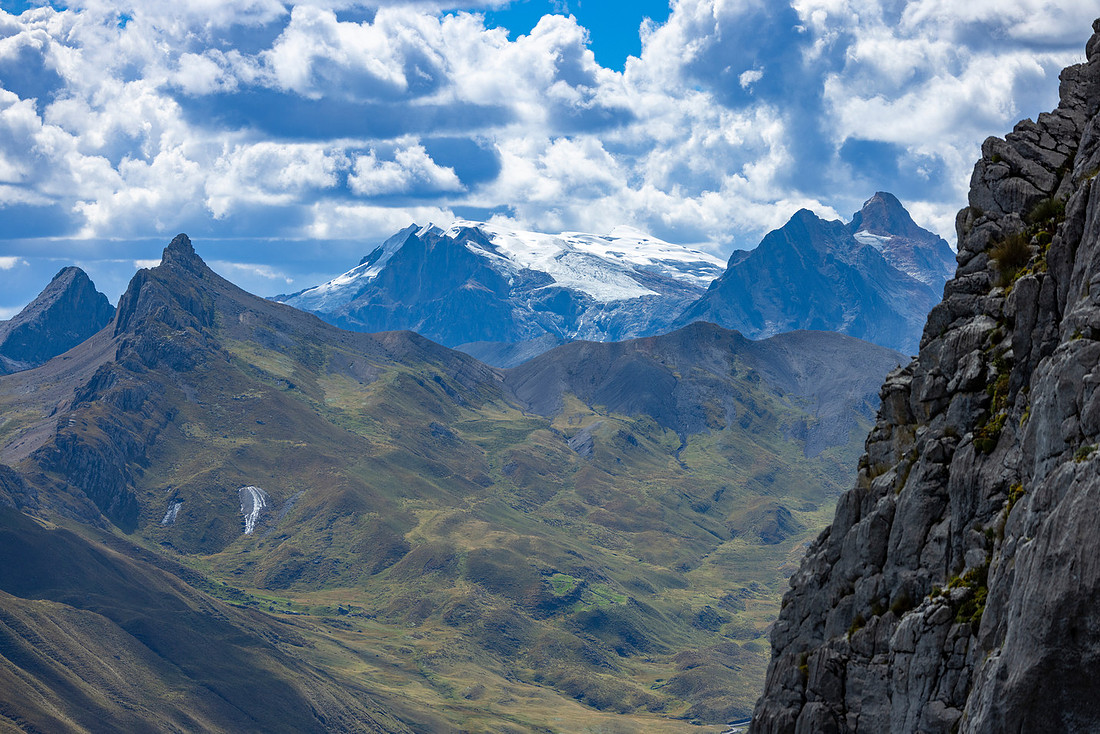
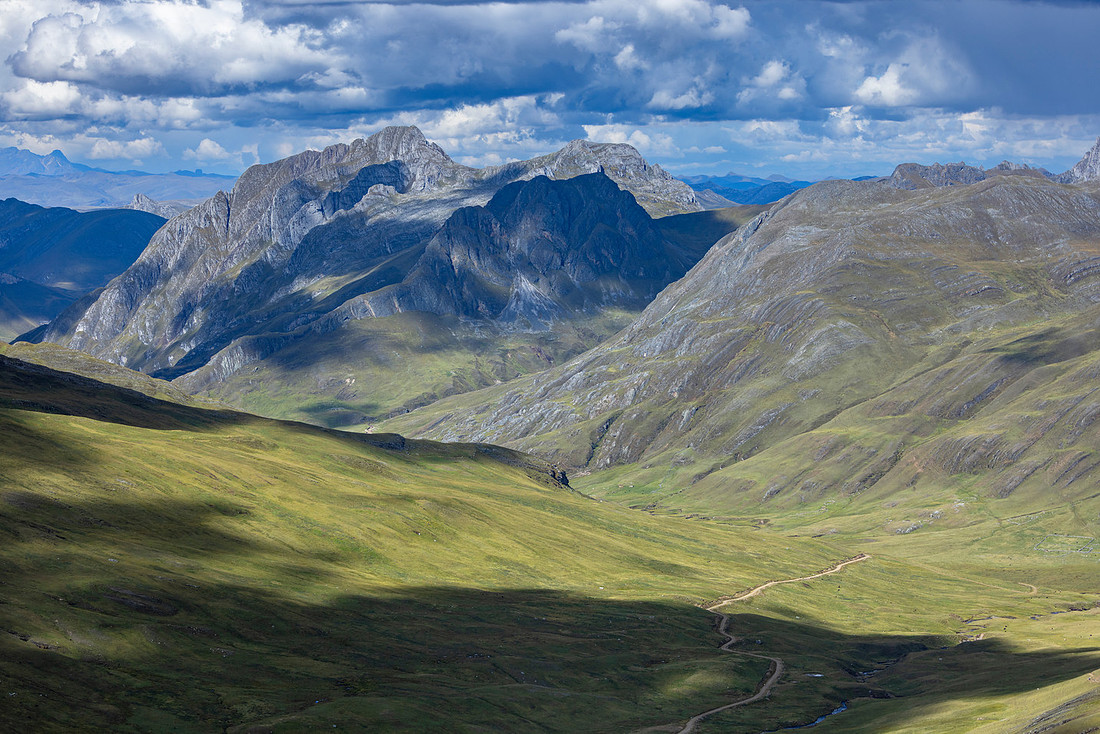
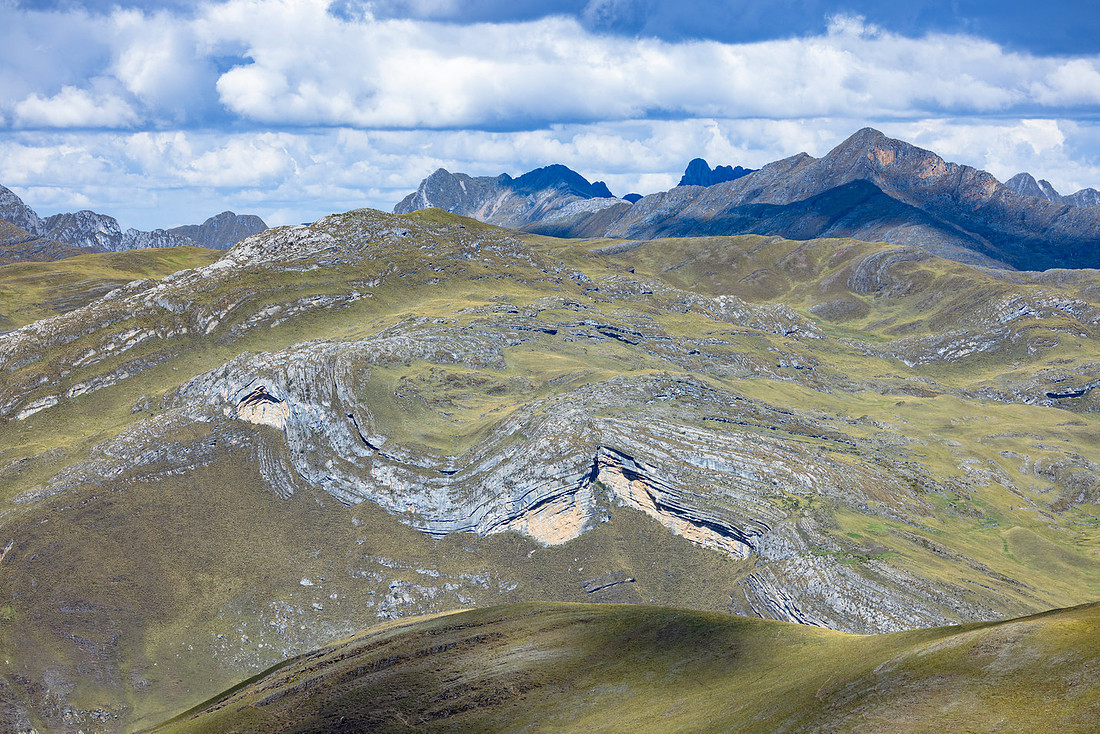
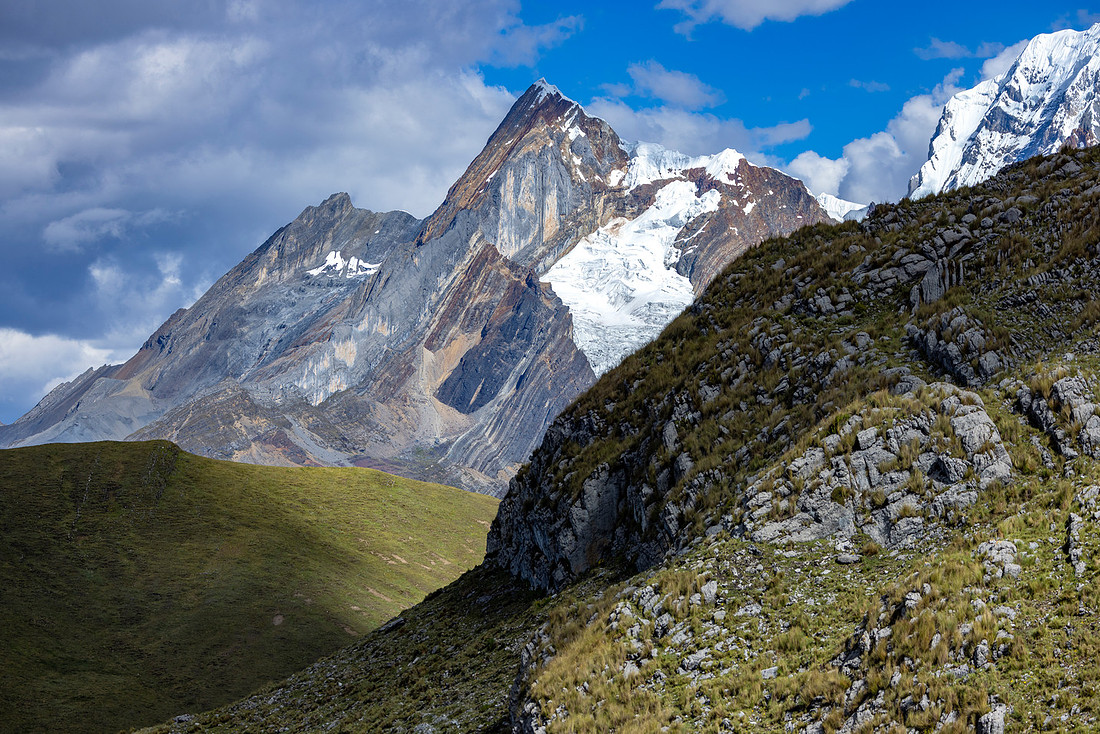
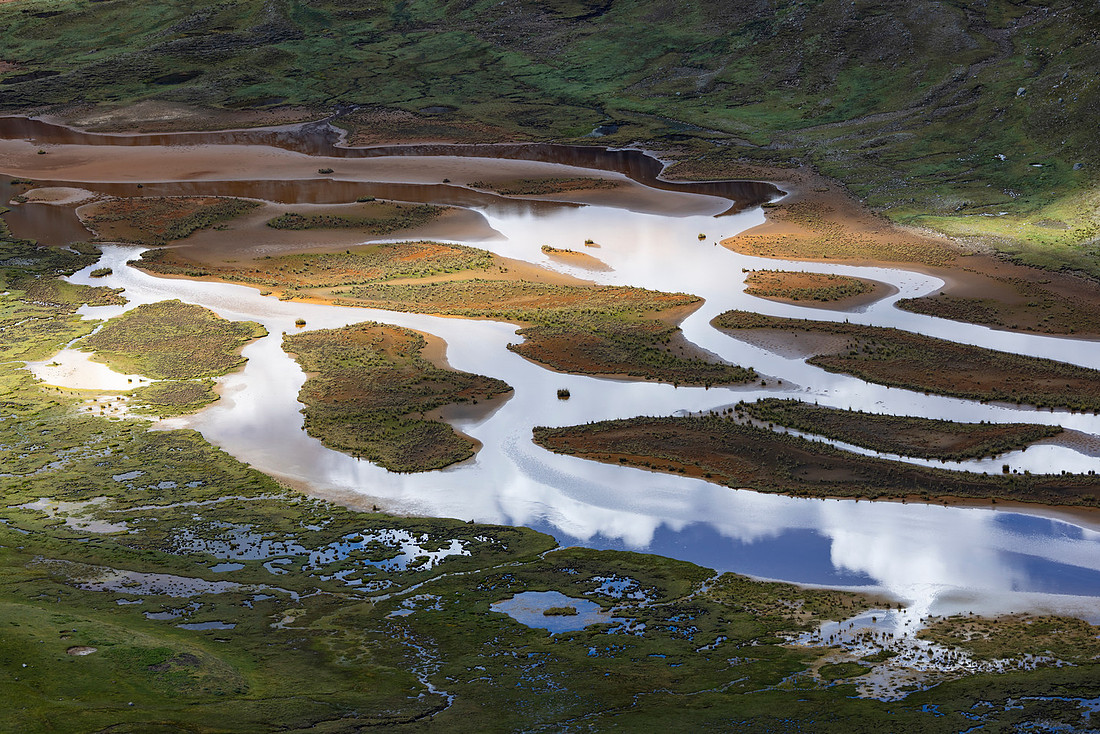
As we crested our first pass and began descending, the group naturally spread out, everyone moving at their own pace and stopping often for photos.
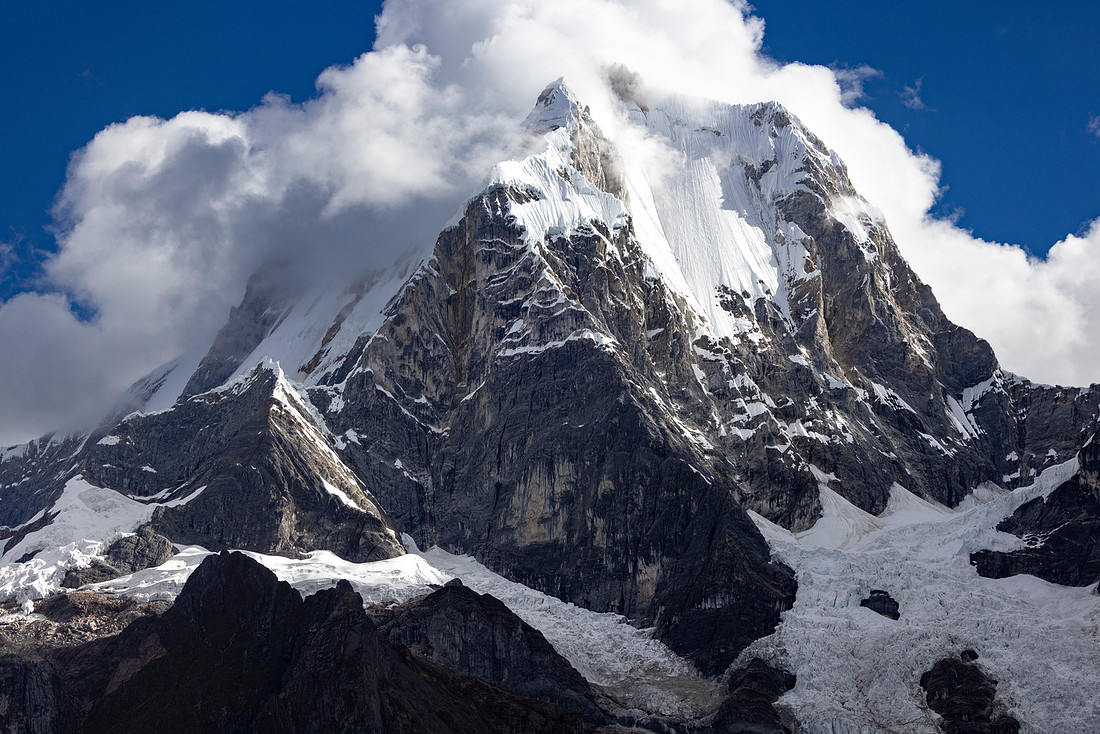
That’s when it happened. I found myself hiking alone when I rounded a corner and caught my first full view of a massive, glaciated peak. All at once, everything hit me—the planning, the training, the expectations I’d been carrying for months. The emotion came out of nowhere and completely overwhelmed me. I stopped and cried. Not quiet tears—full-on, ugly crying. It was cathartic and unforgettable. I’m guessing it had a little to do with us being over 15,000 feet, too. And, as it turned out, it was also the last time I would feel physically okay for the rest of the trip.
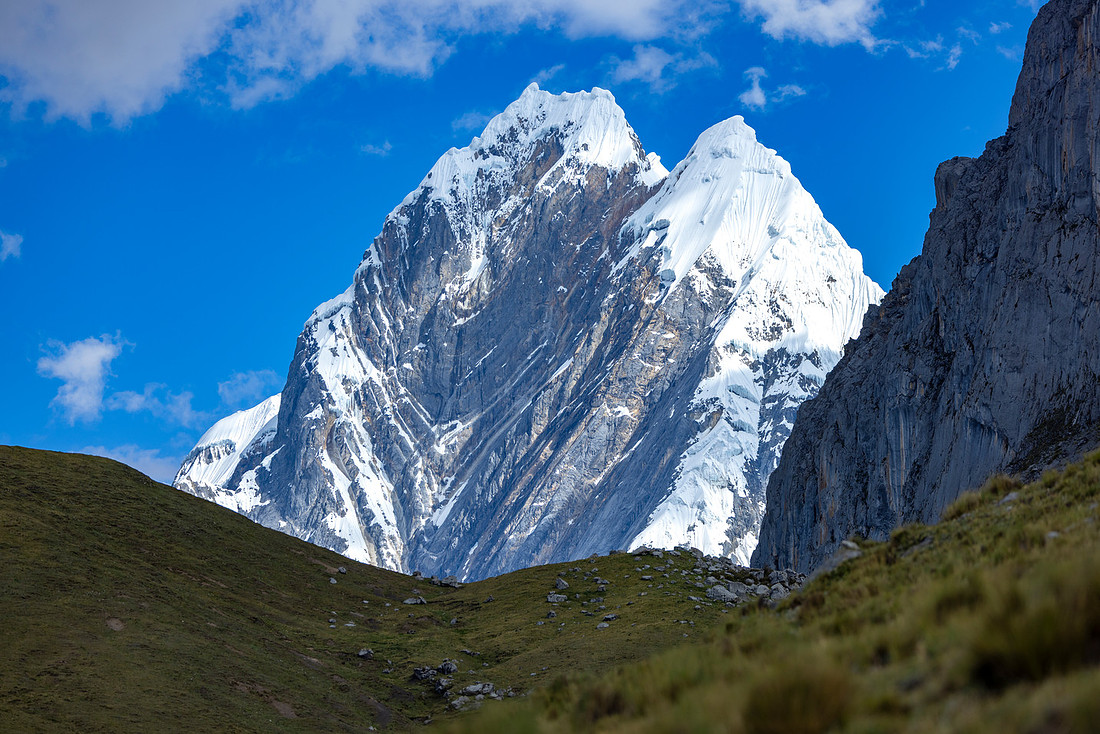
Not long after, the weather shifted and a light rain started to fall. I grew cold and hungry, started to bonk, and stopped to snack and hydrate. A mild headache crept in, but I chalked it up to hunger and altitude.
By the time we reached camp, the rain had passed. We changed into warm layers and gathered in the cook tent for dinner—freshly caught trout, fried and delicious, followed by hot tea. Then we crawled into our tents.
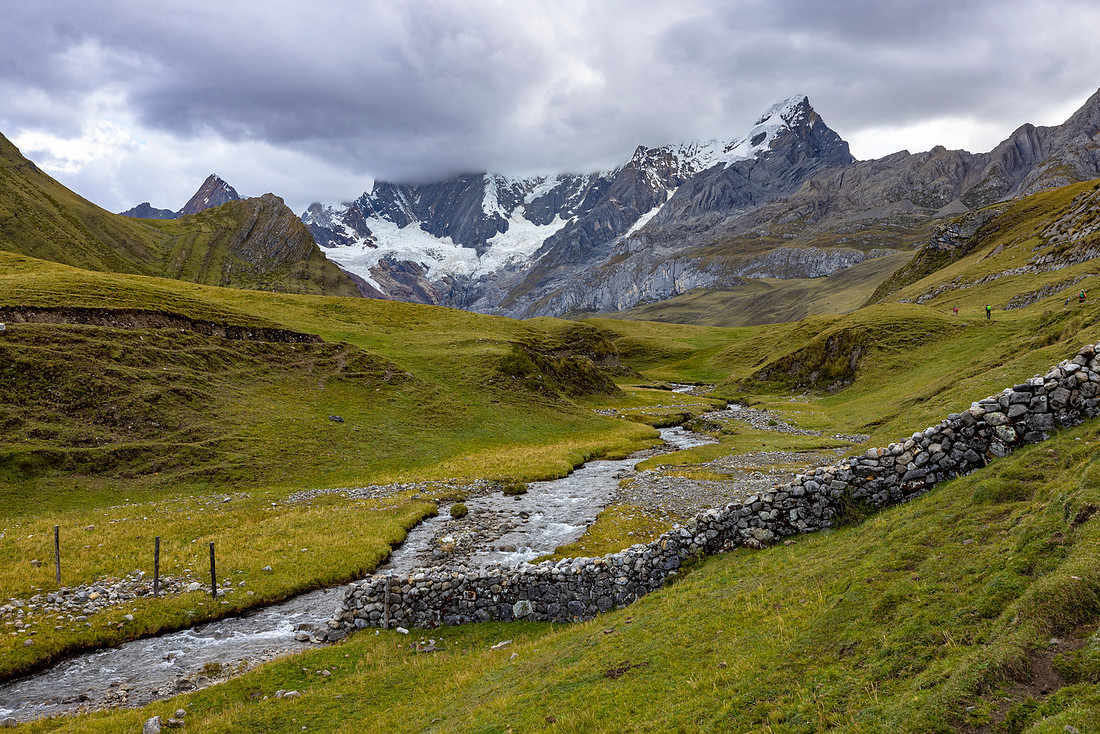
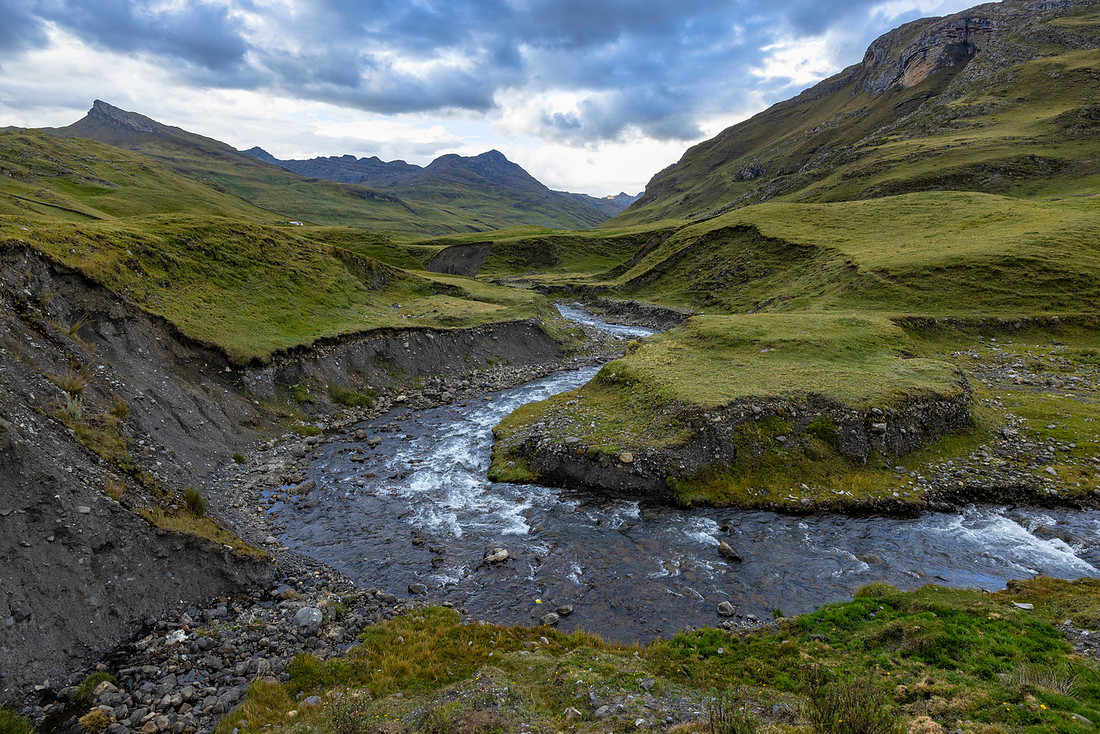
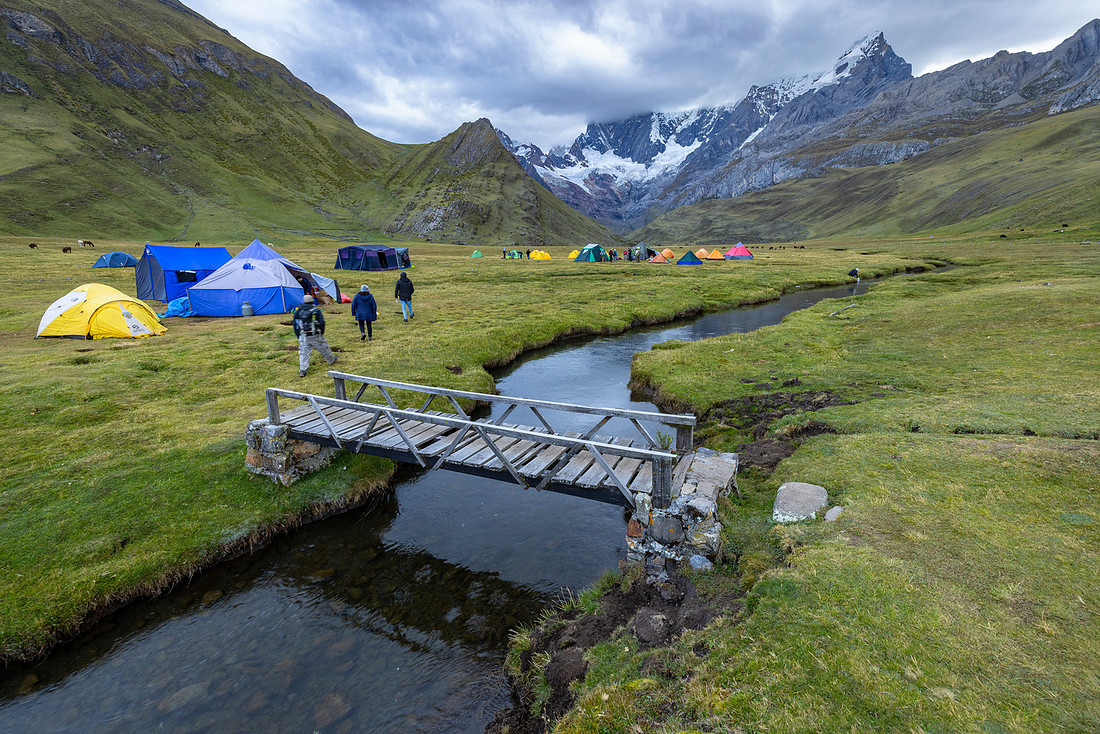
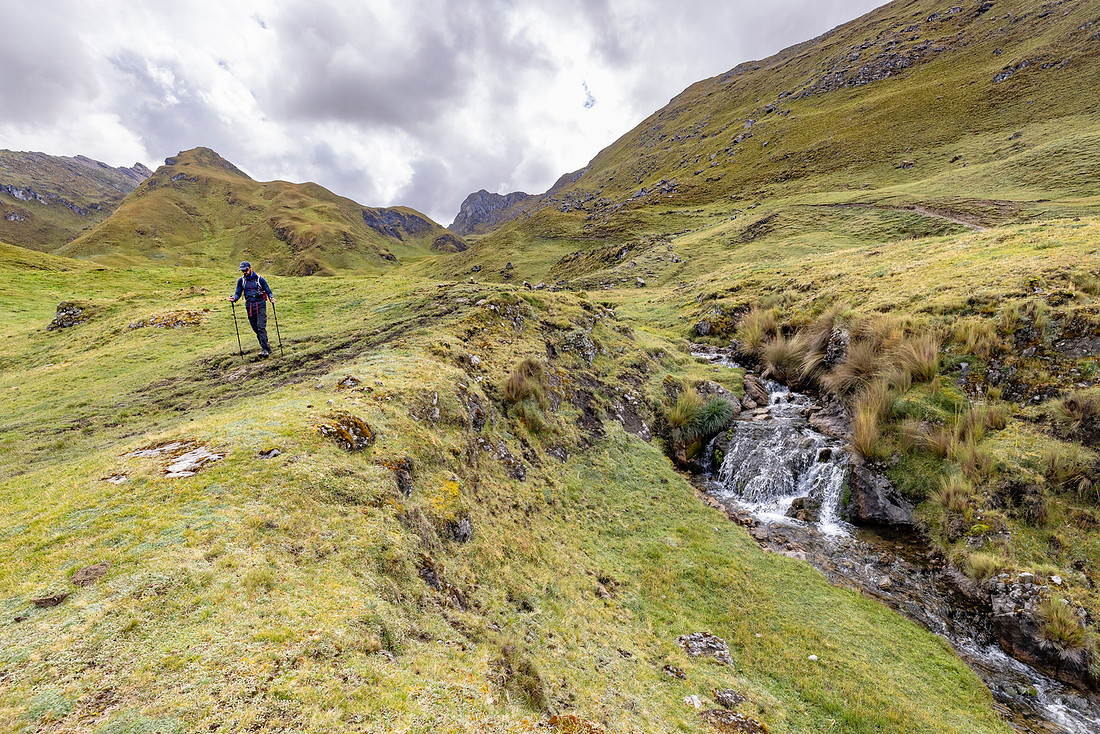
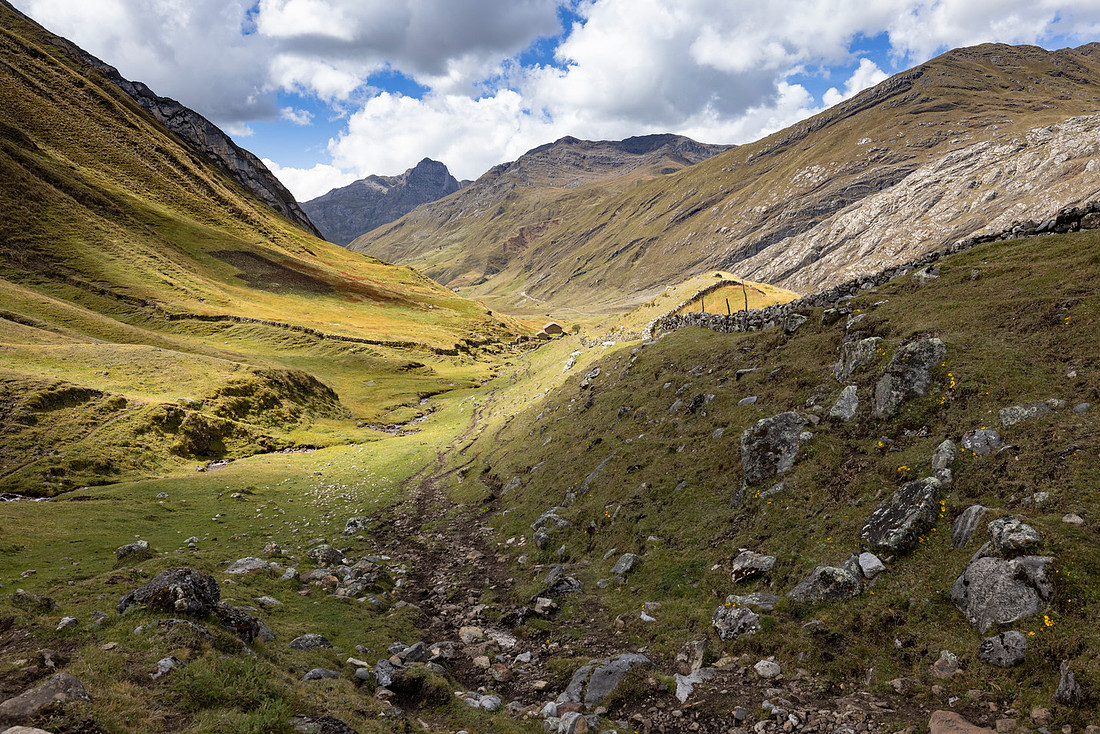
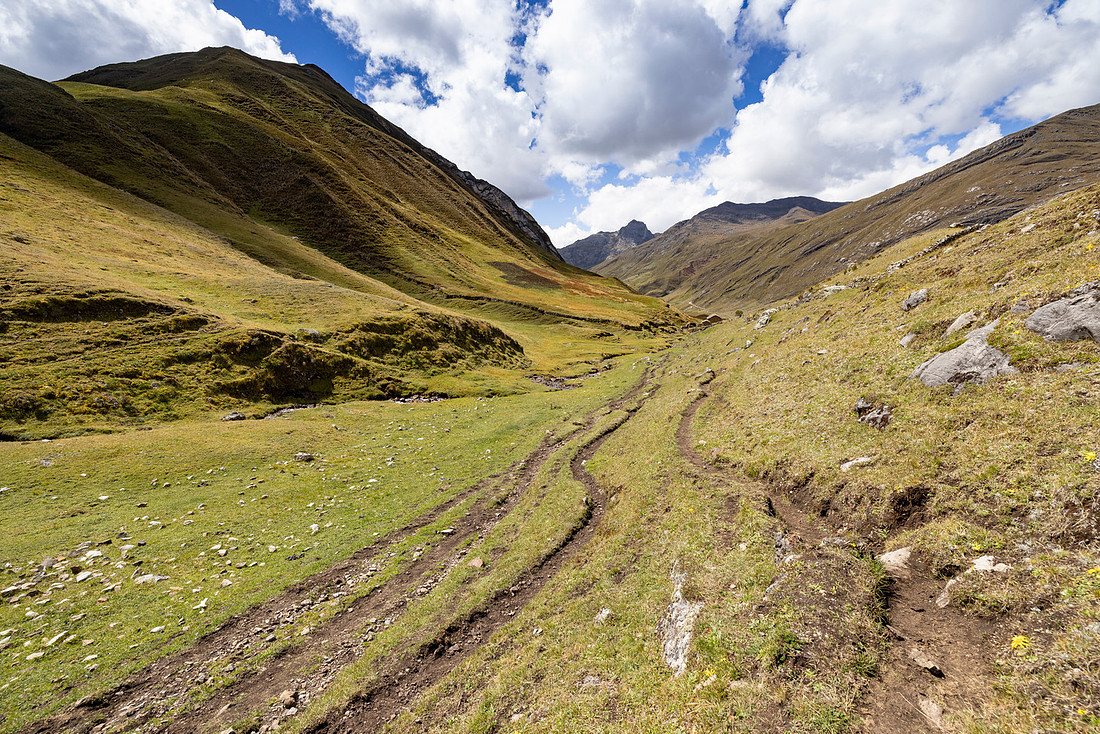
The next morning was rough. We woke in the dark to break camp, but I felt completely off. I was lethargic, congested, and had a pounding headache. Worse, I had zero appetite—a huge red flag for me, especially in the backcountry. I told the guides how I was feeling. Danielle had extra Diamox, so I started taking it, assuming altitude sickness was the culprit.The plan was to hike from Janca to Carhuacocha—a route with some elevation gain but mostly downhill. Low clouds from the previous storm hung in the valleys, creating beautiful views below the cloud layer.
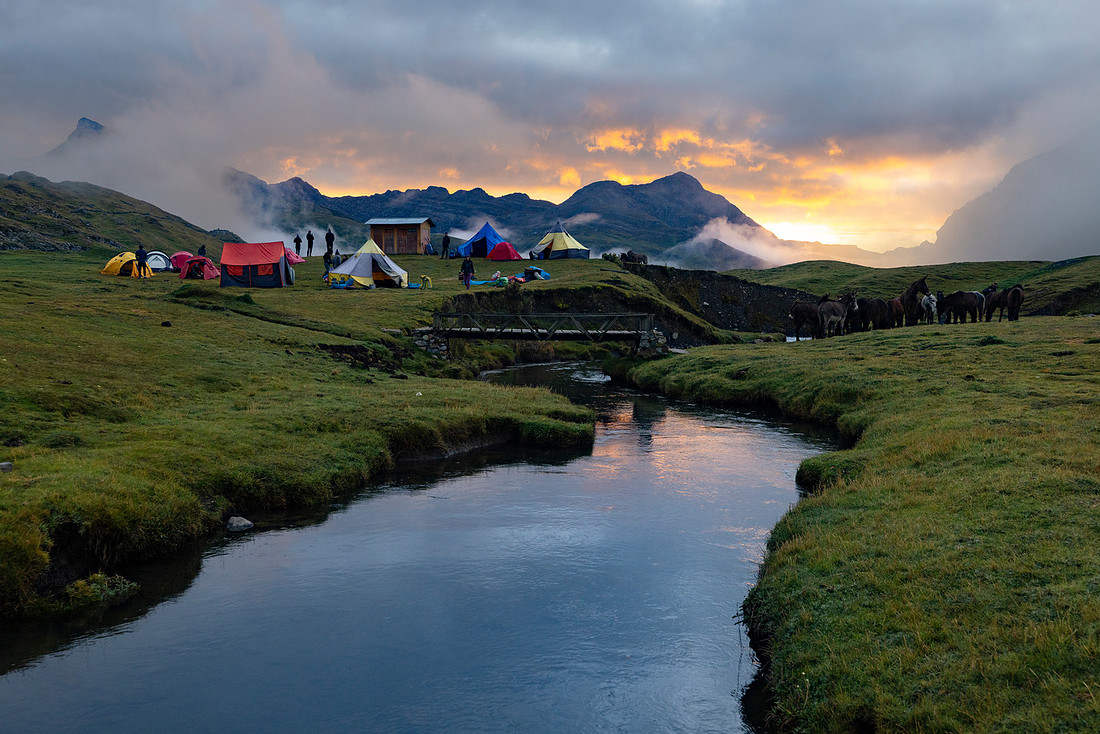
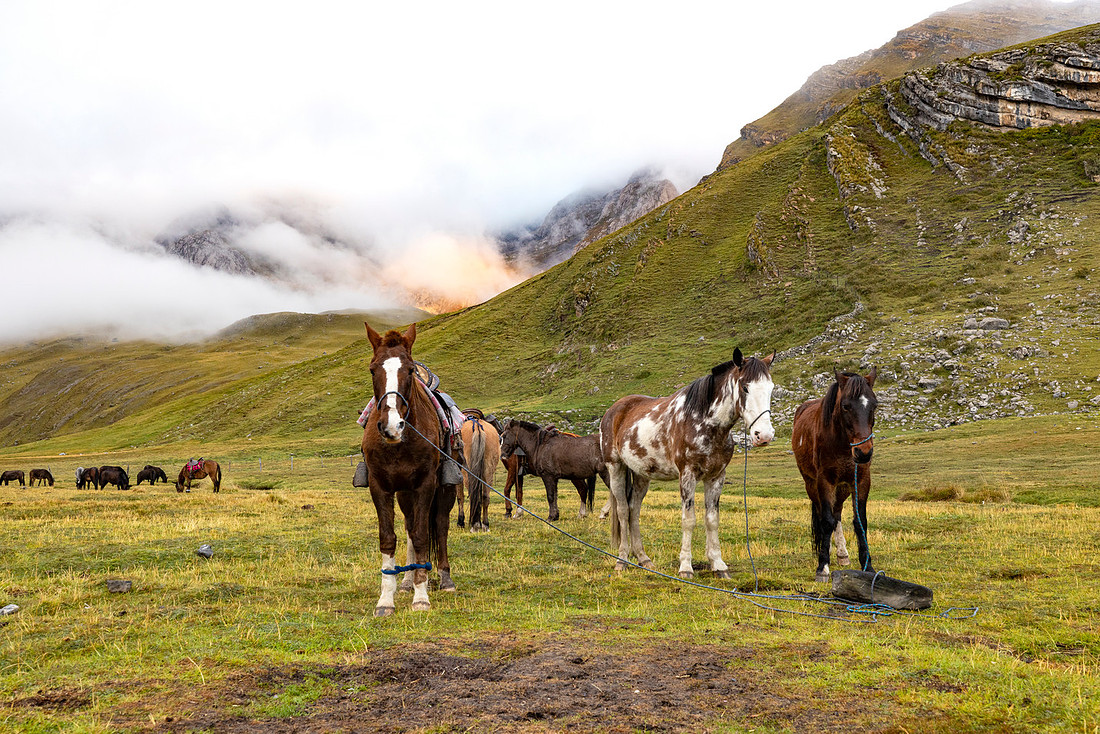
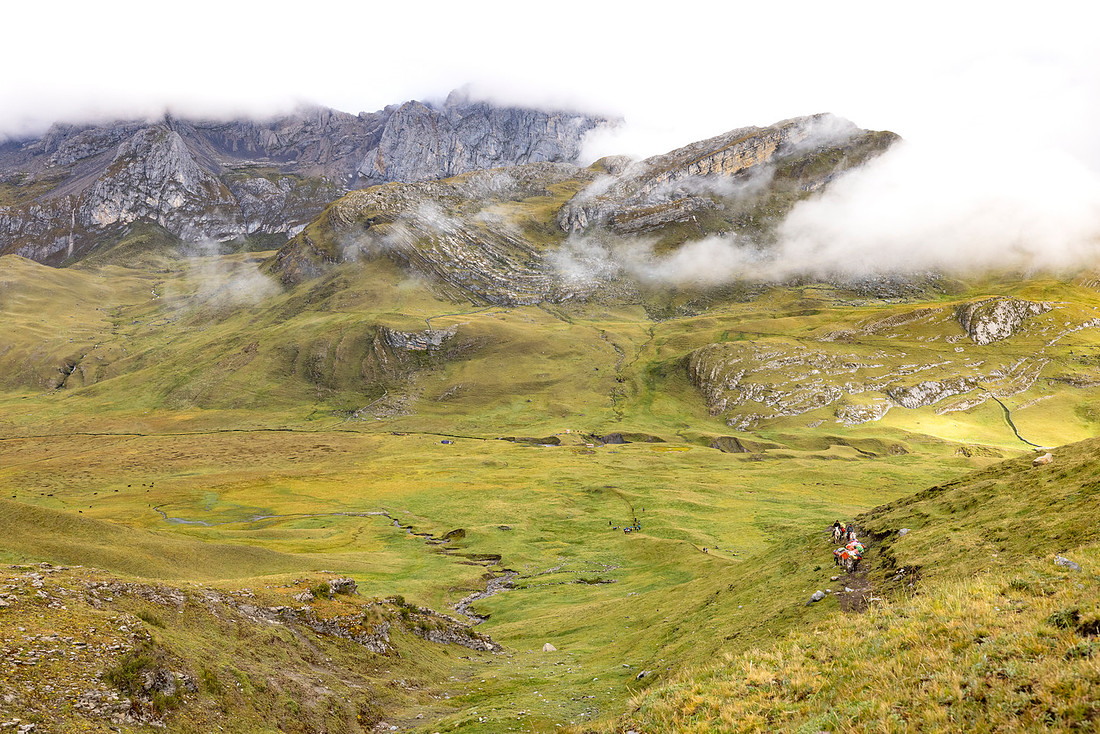
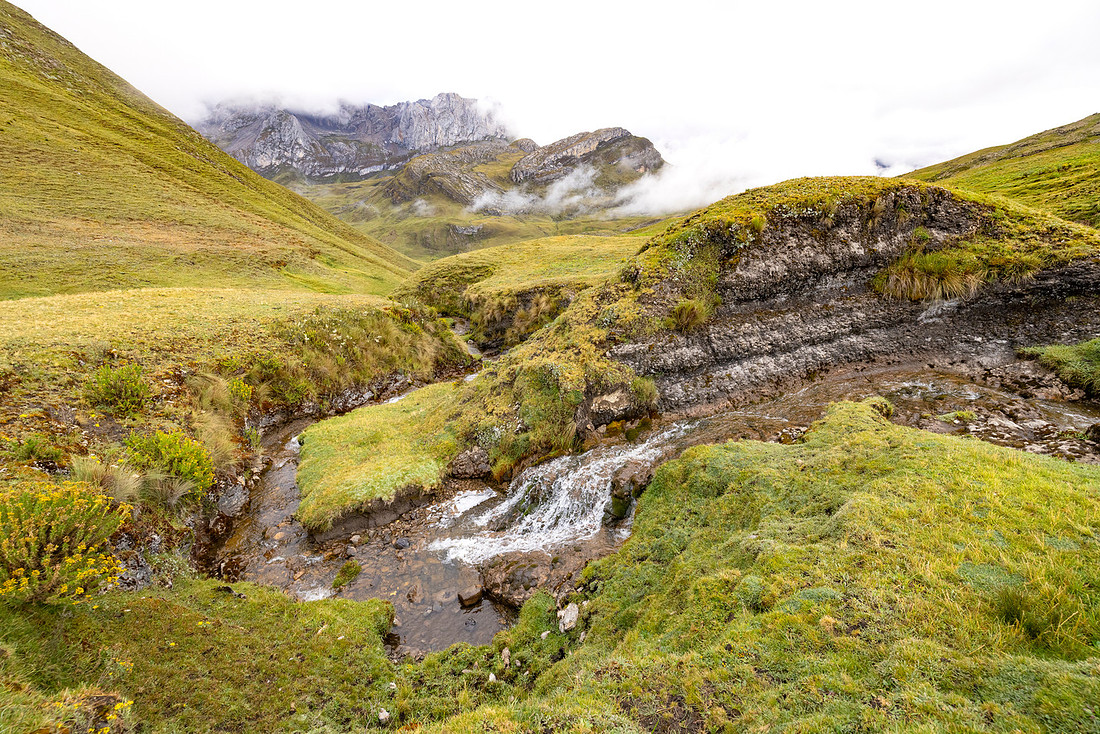
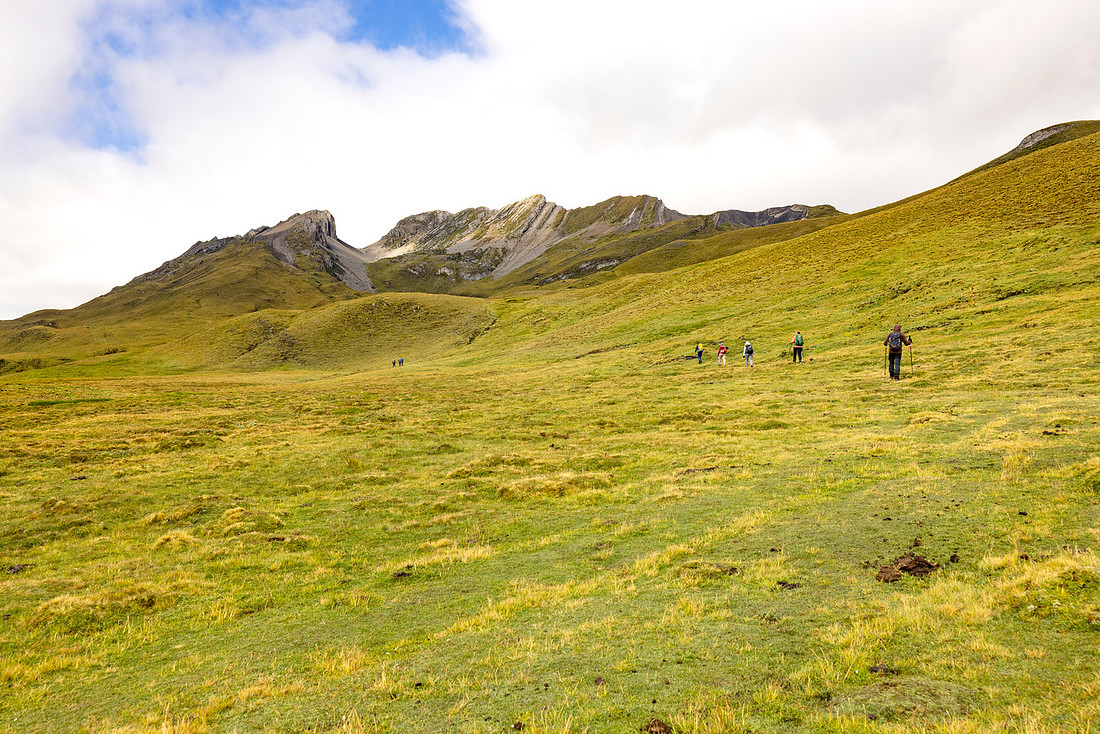
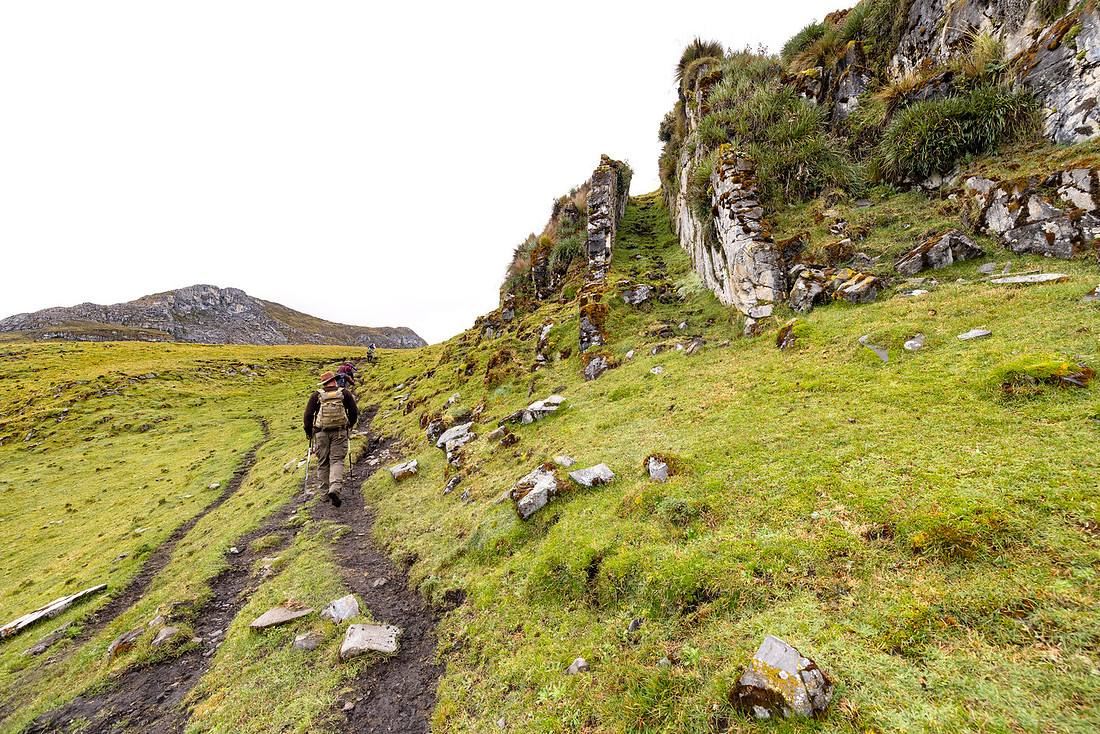
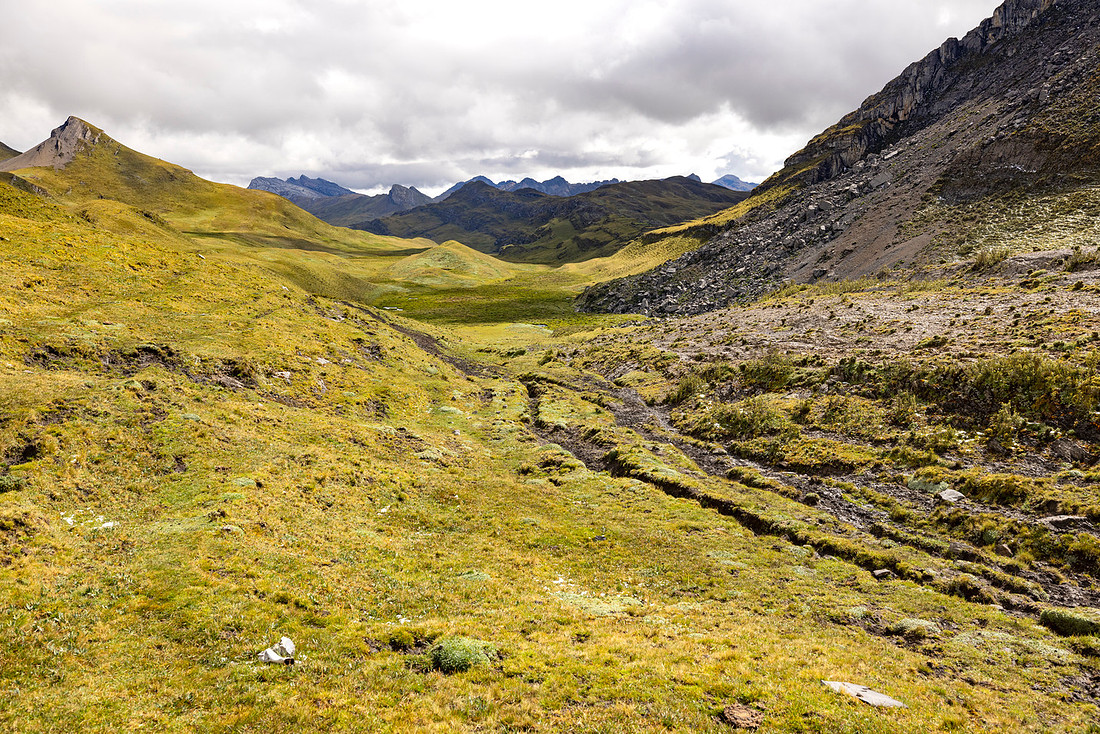
At our snack stop near the day’s high pass, I still couldn’t eat and still felt awful. While altitude sickness seemed like the obvious explanation, it didn’t quite add up—we’d just spent five days near 14,000 feet the week before without issue. Even being above 15,000 feet now, something felt different.
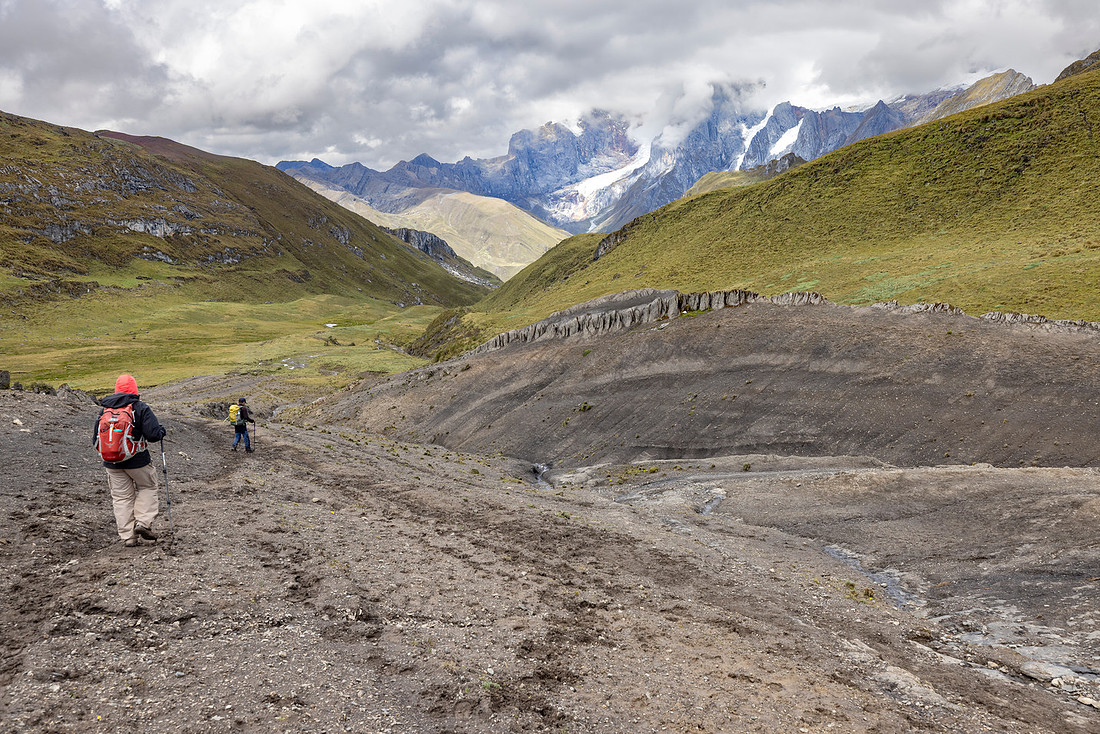
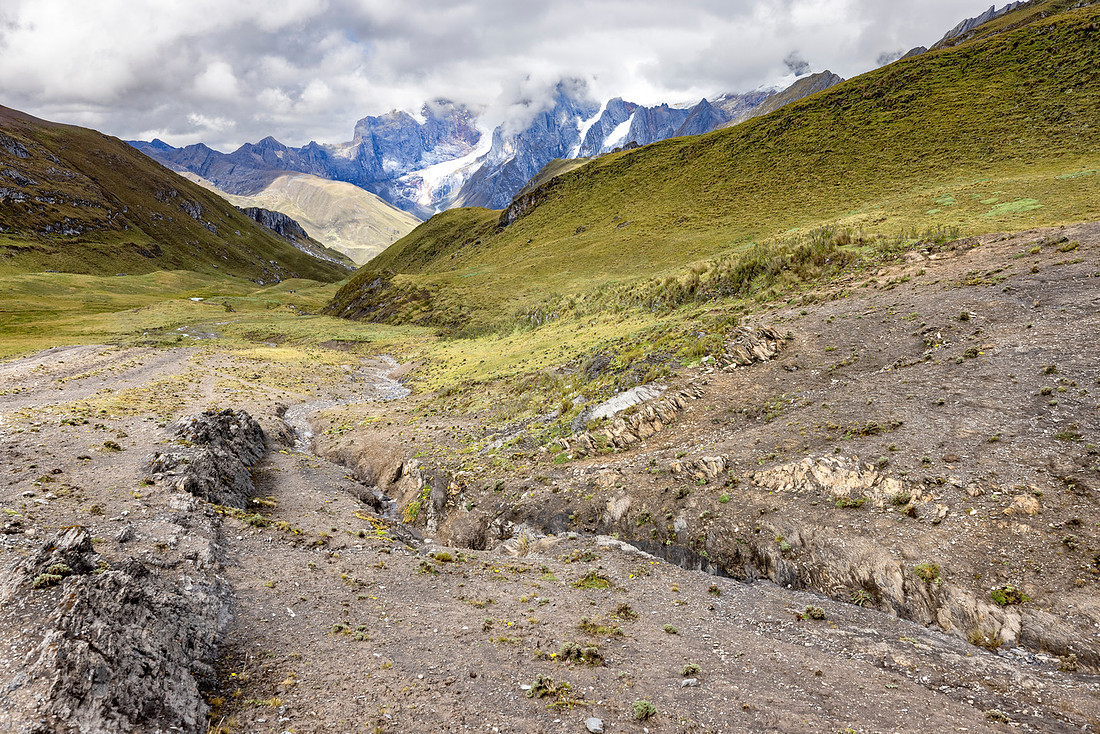
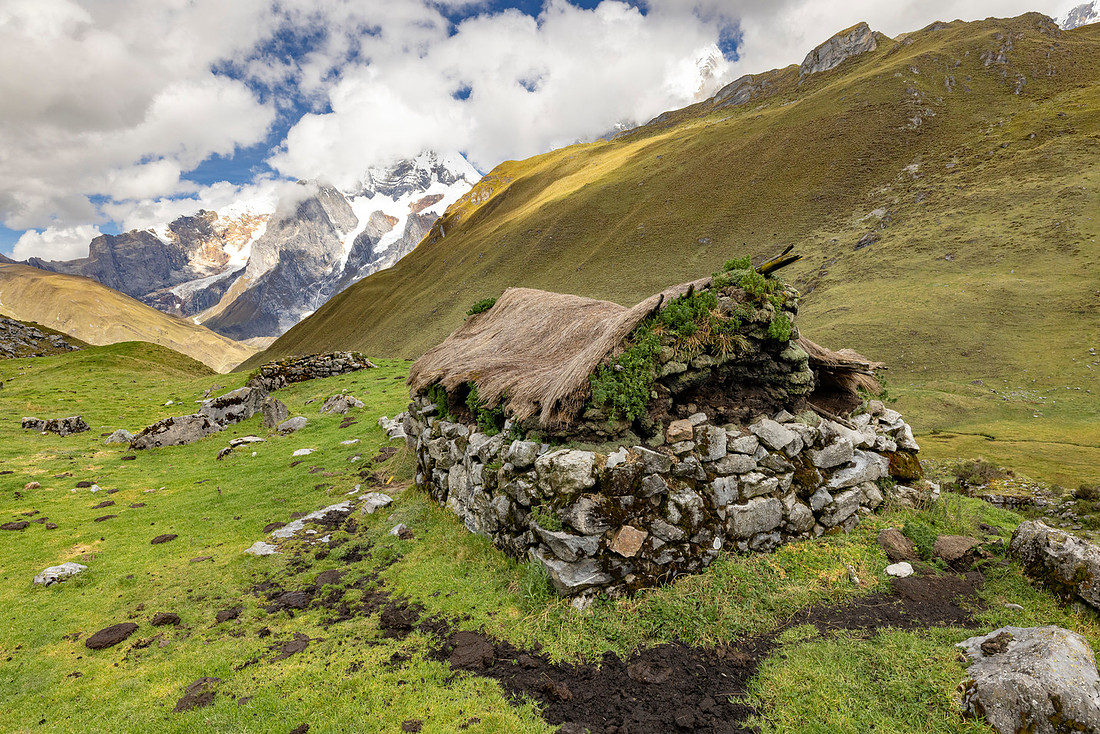
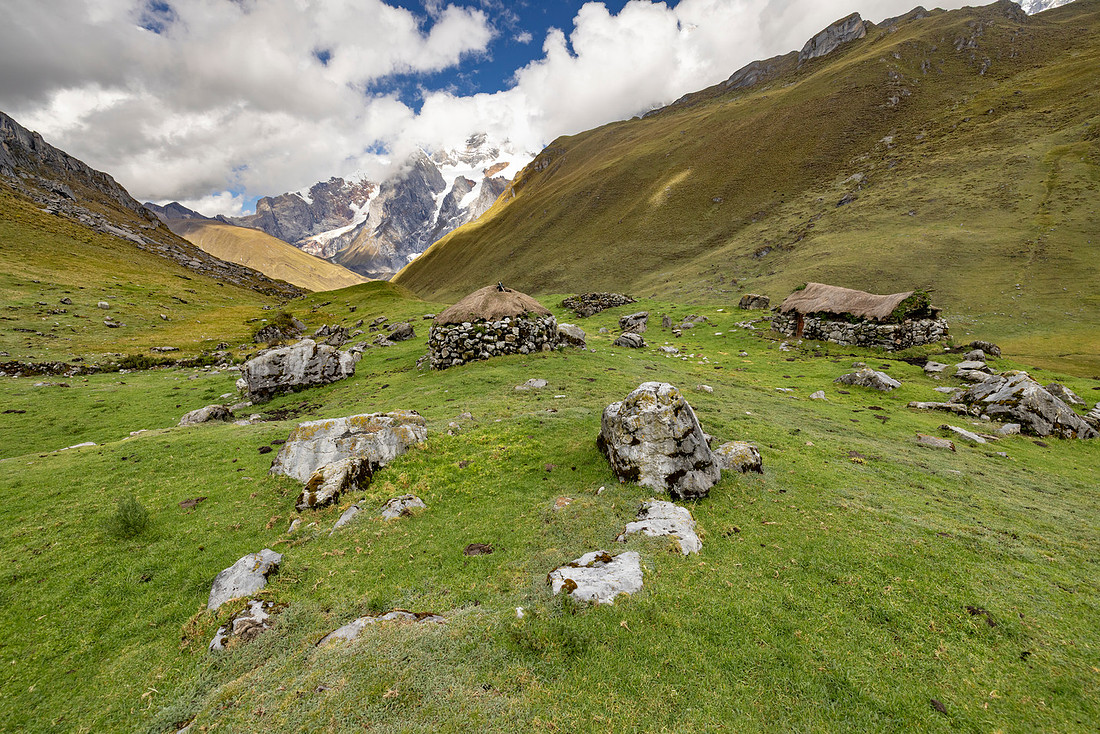
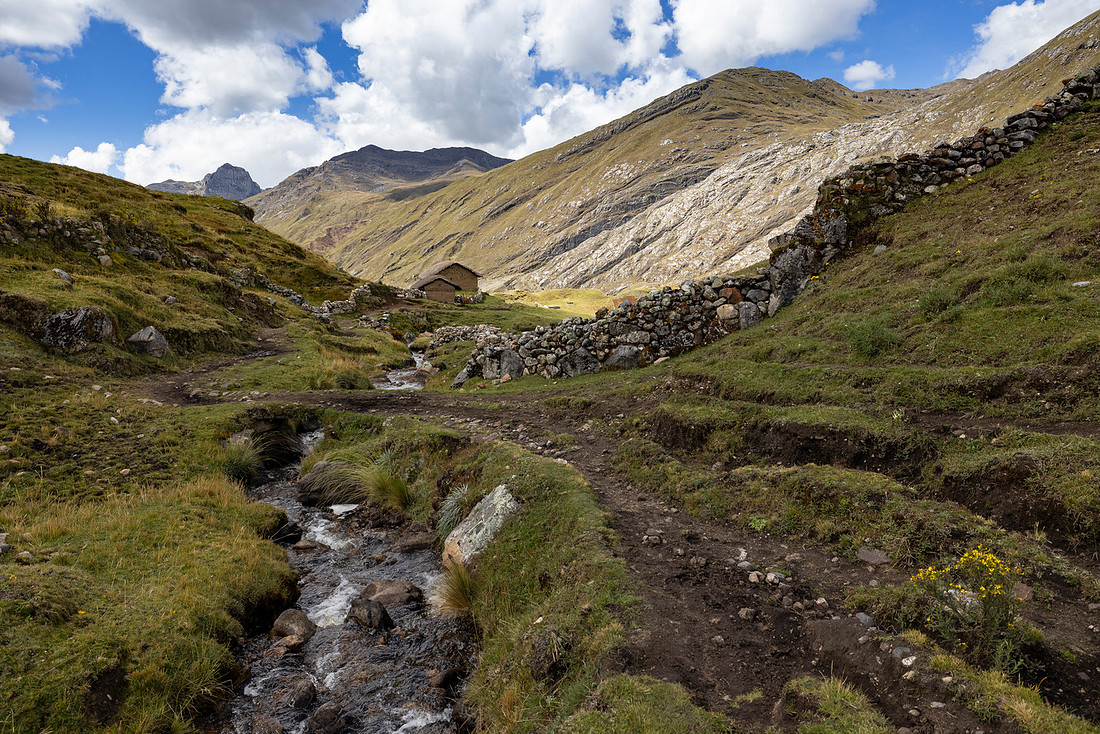
We passed small stone farmhouses used seasonally for grazing cattle. Honestly, if I were a cow, this is exactly where I’d want to live.
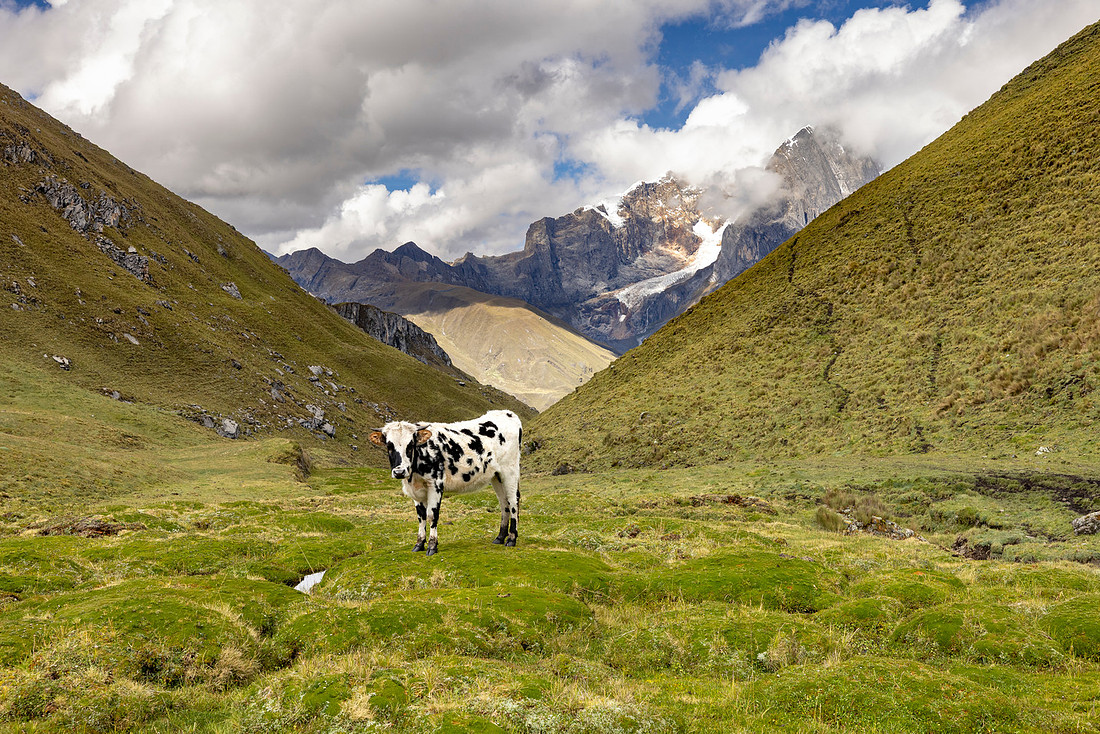
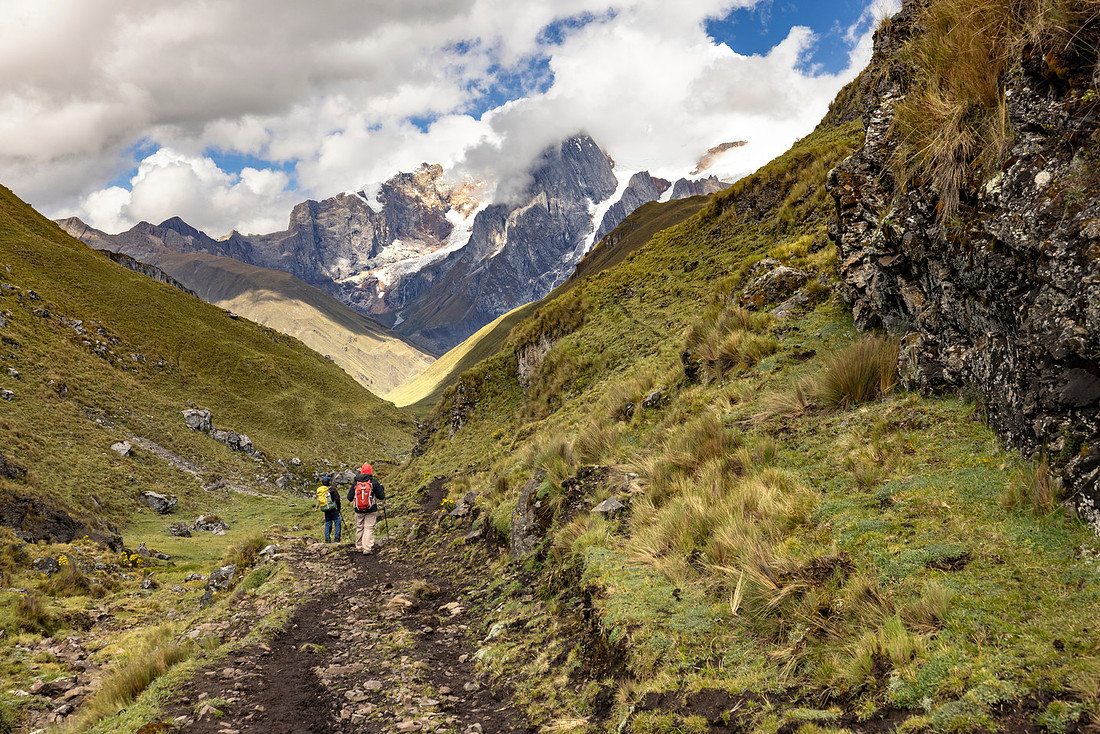
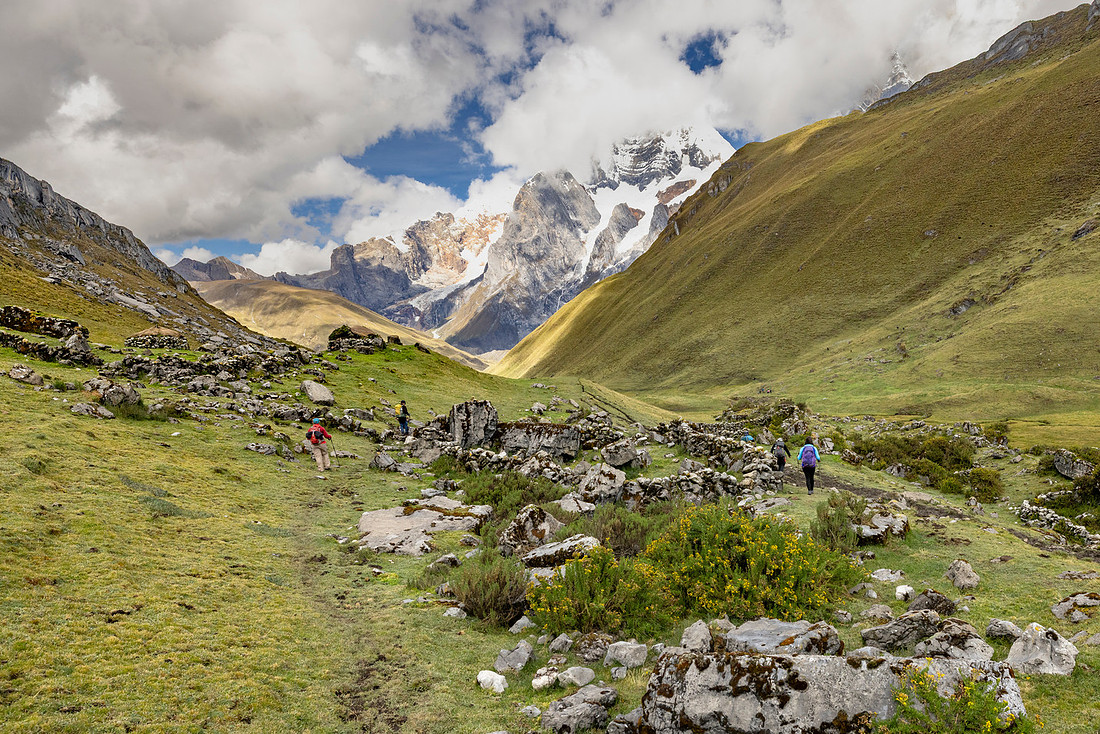
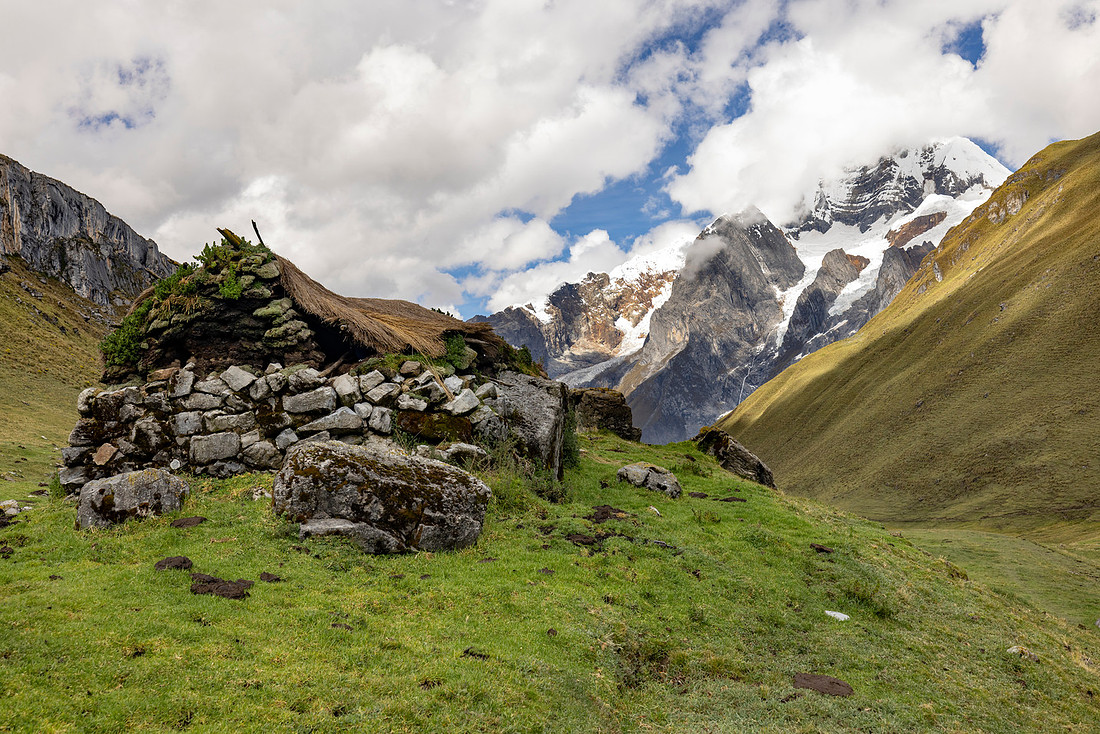
We reached Carhuacocha in the early afternoon. Even in full sun, I couldn’t get warm. I was wearing all my layers, inside my sleeping bag, still shivering—likely running a fever. No matter how much I slept, I couldn’t wake up feeling rested.
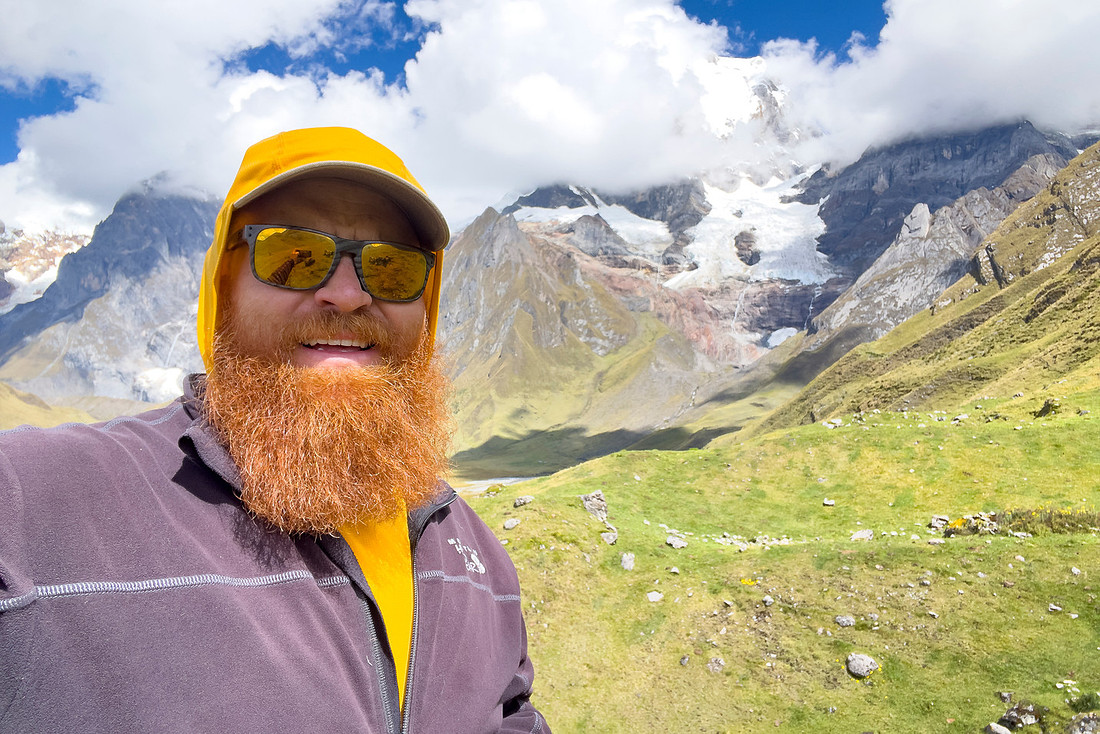
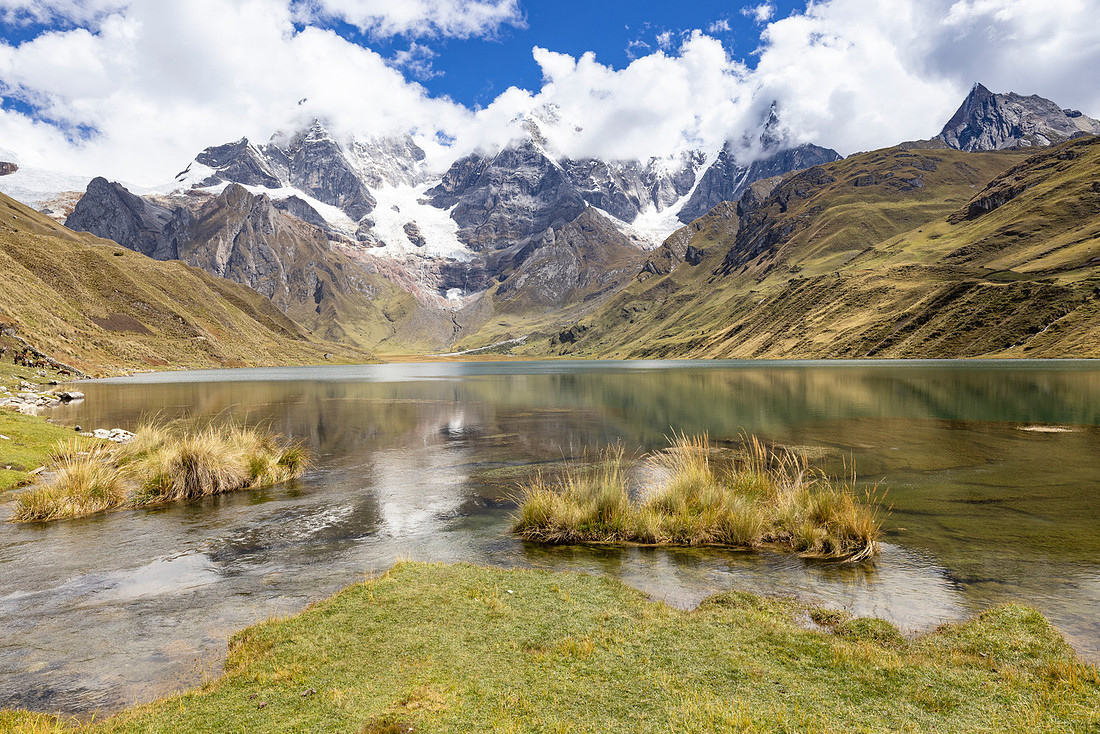
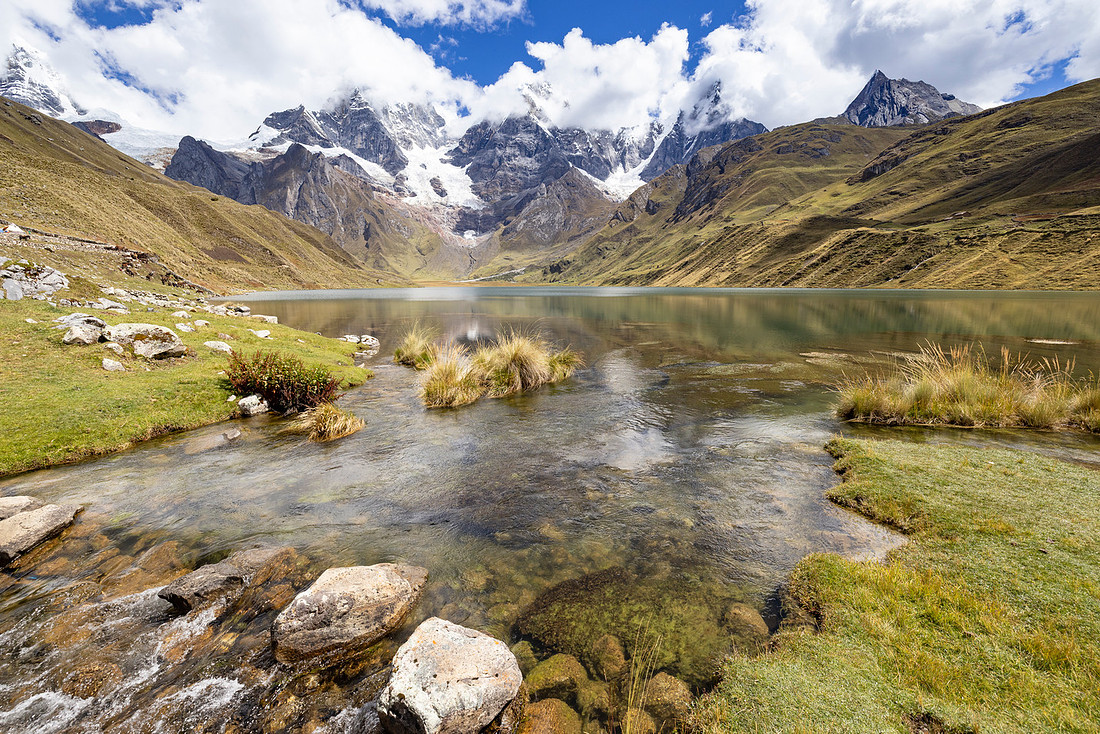
That night, evacuation became a real conversation. If I continued, evacuation would only get harder. The shortest way out—from where we were—was still seven miles at elevation. We decided to reassess in the morning.
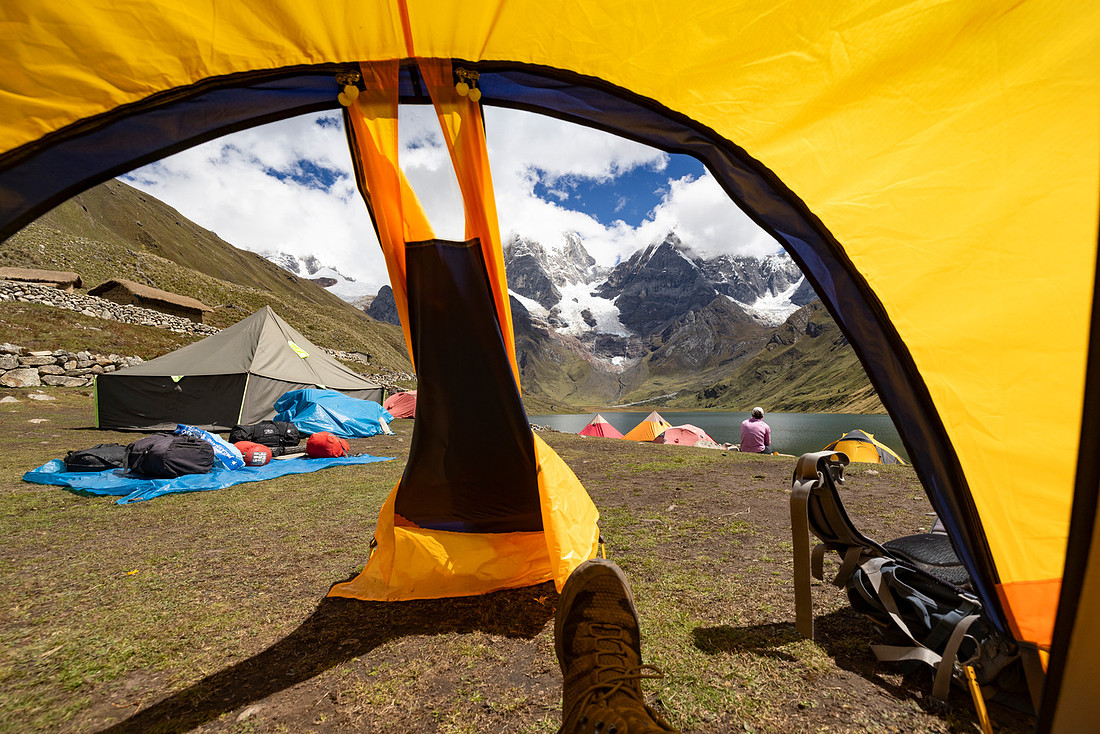
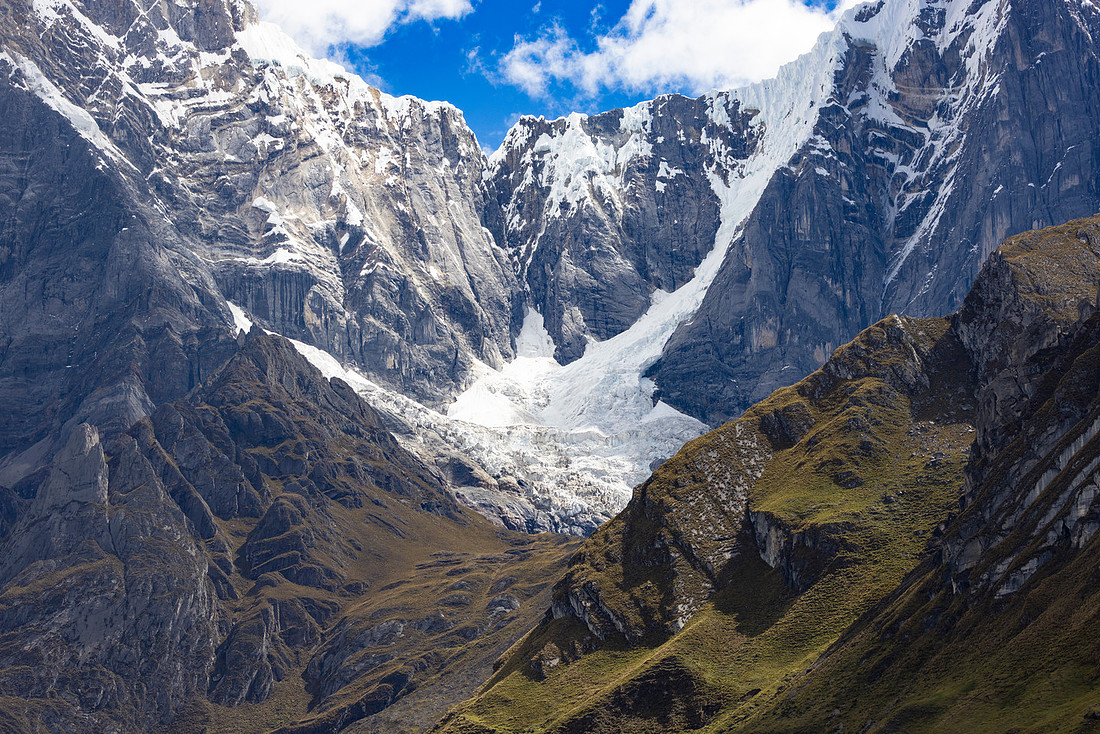
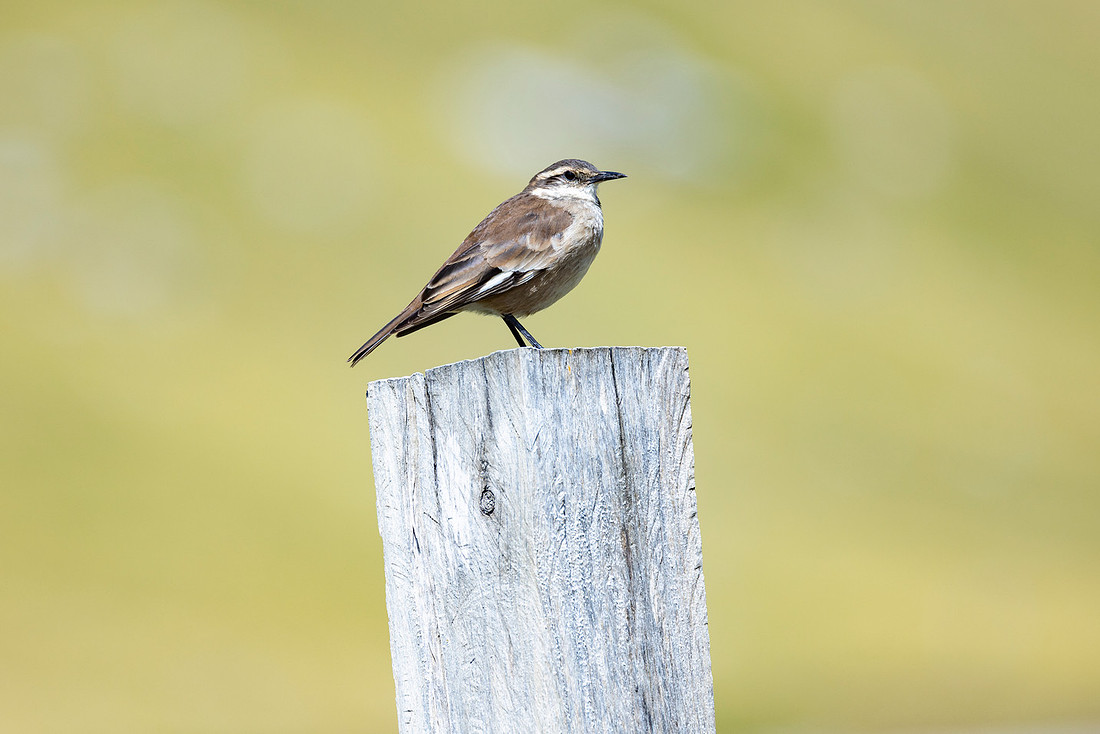
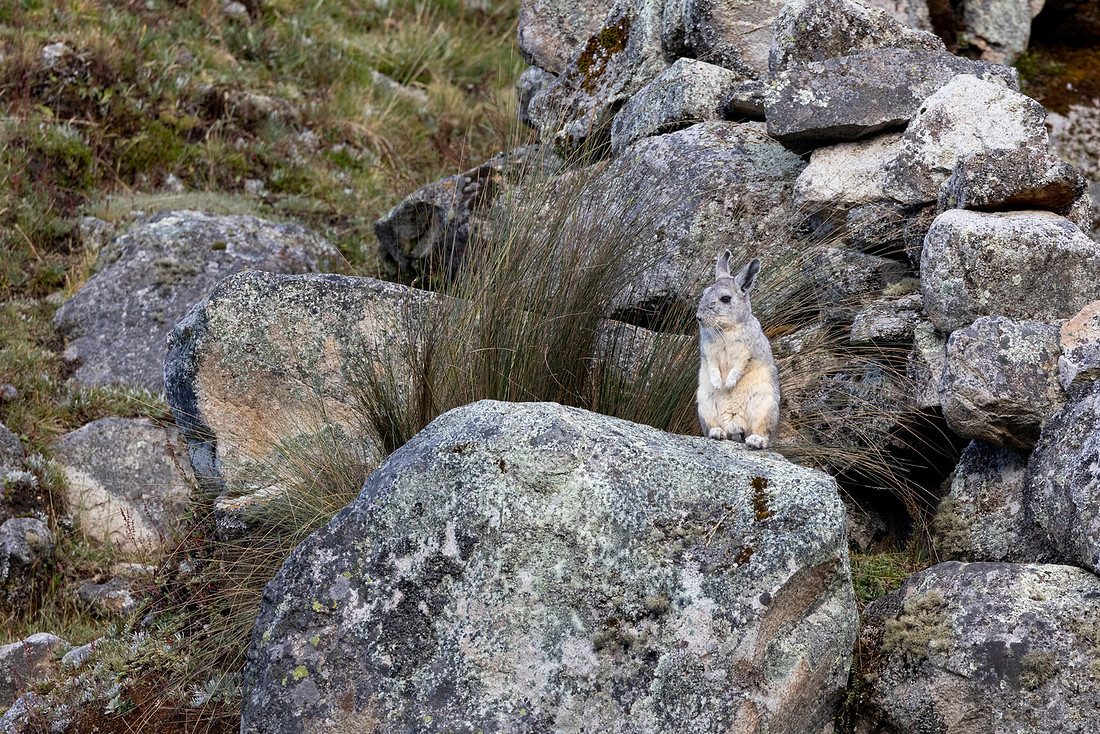
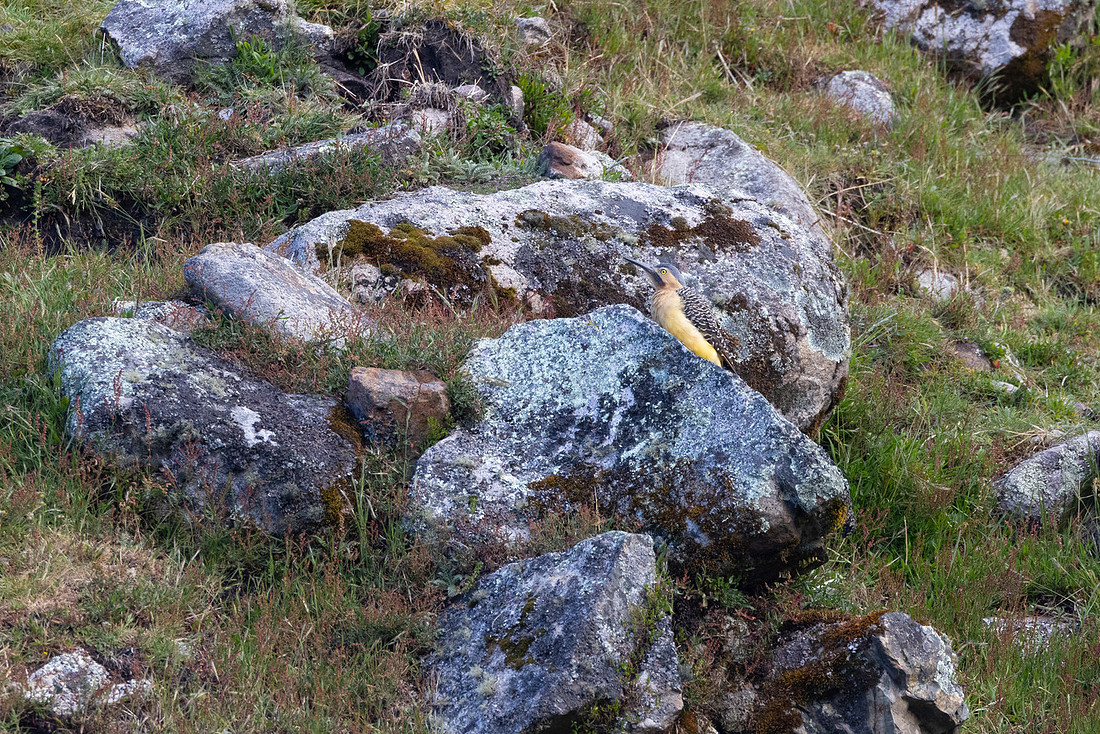
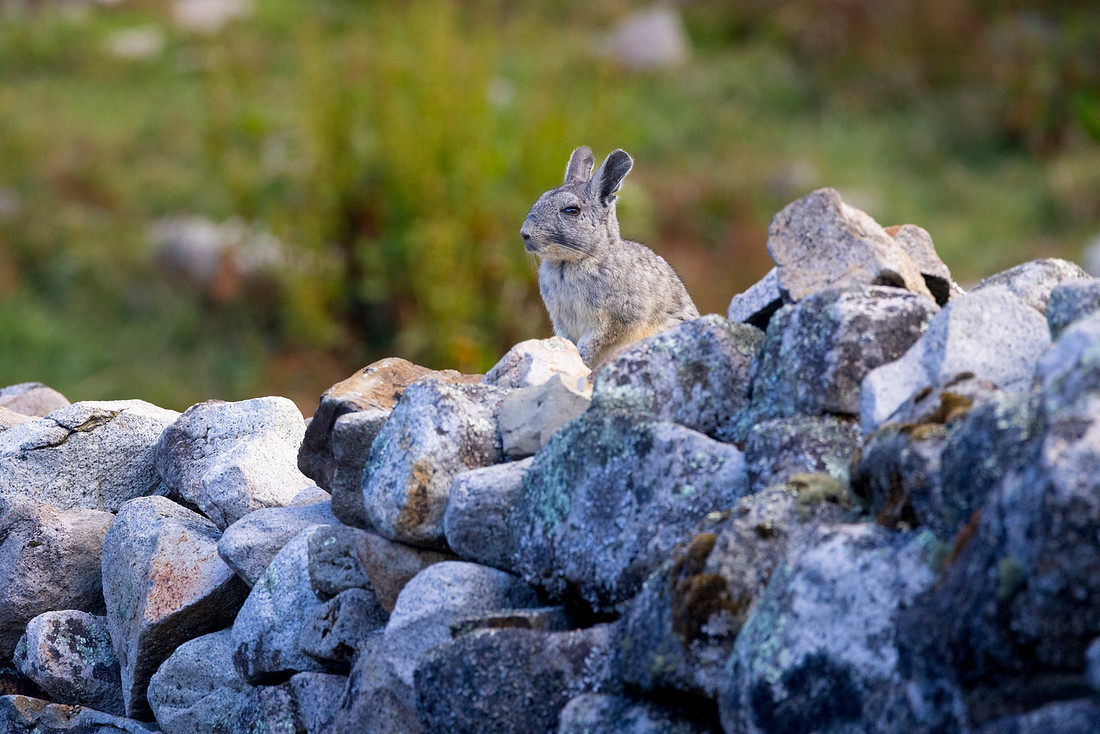
After dinner, we wandered around camp and watched Andean flickers and northern viscachas bounce across the rock walls—a small, joyful distraction.
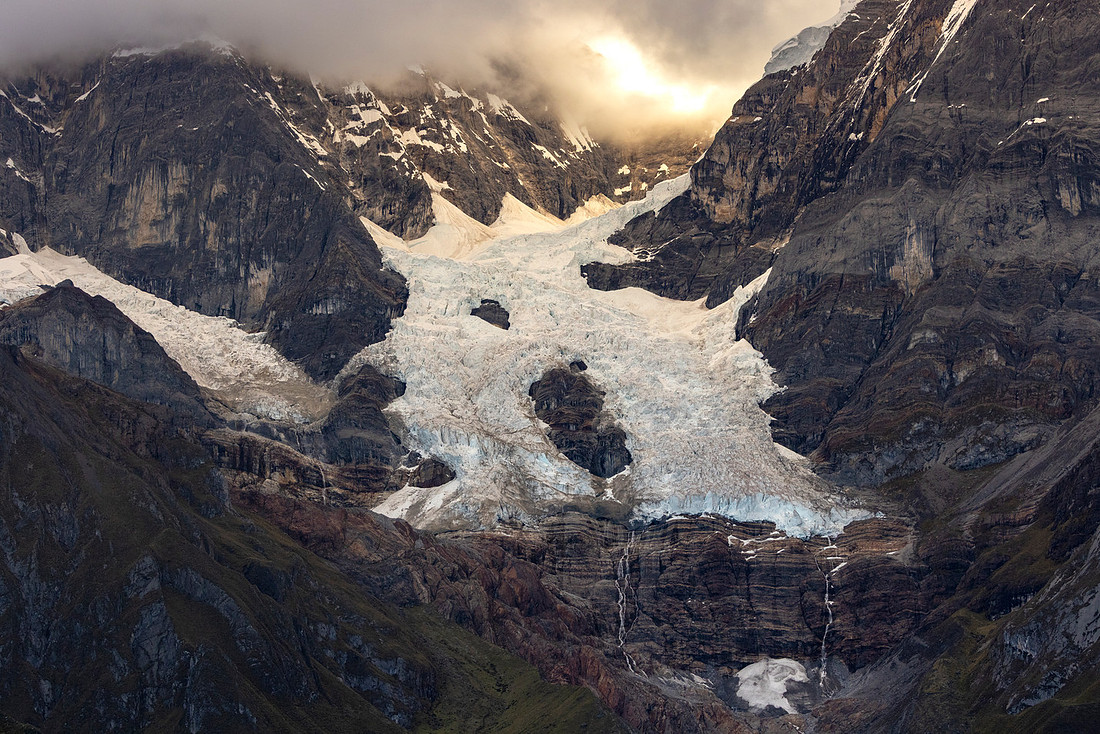
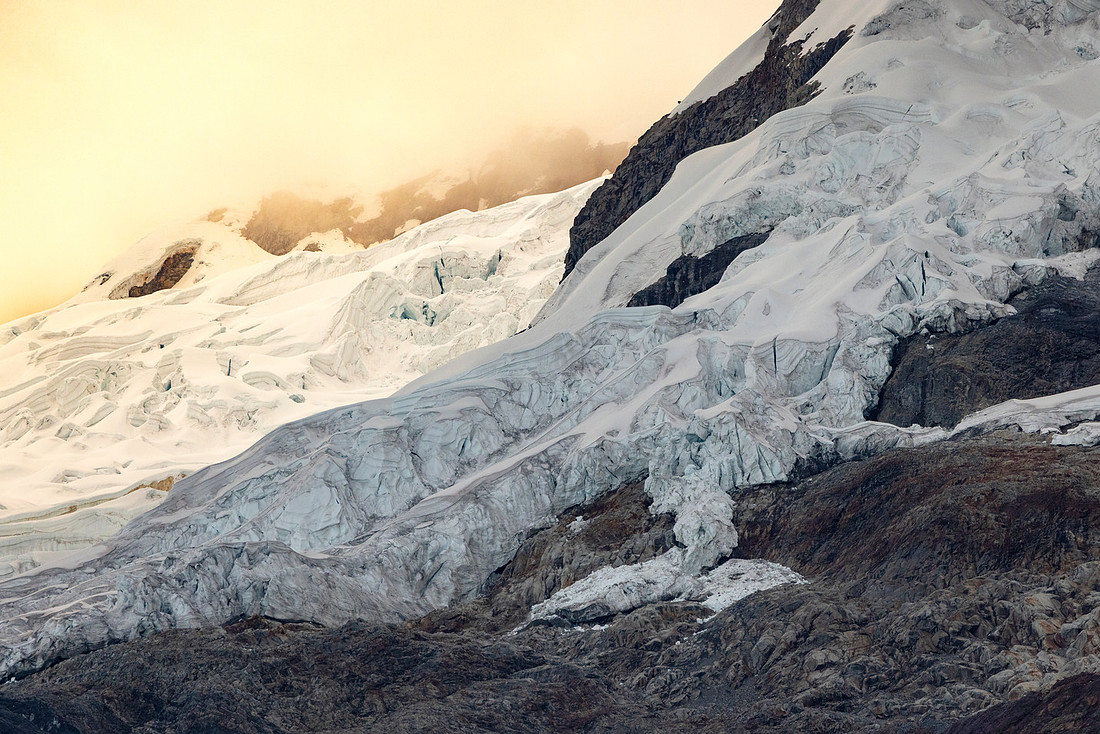
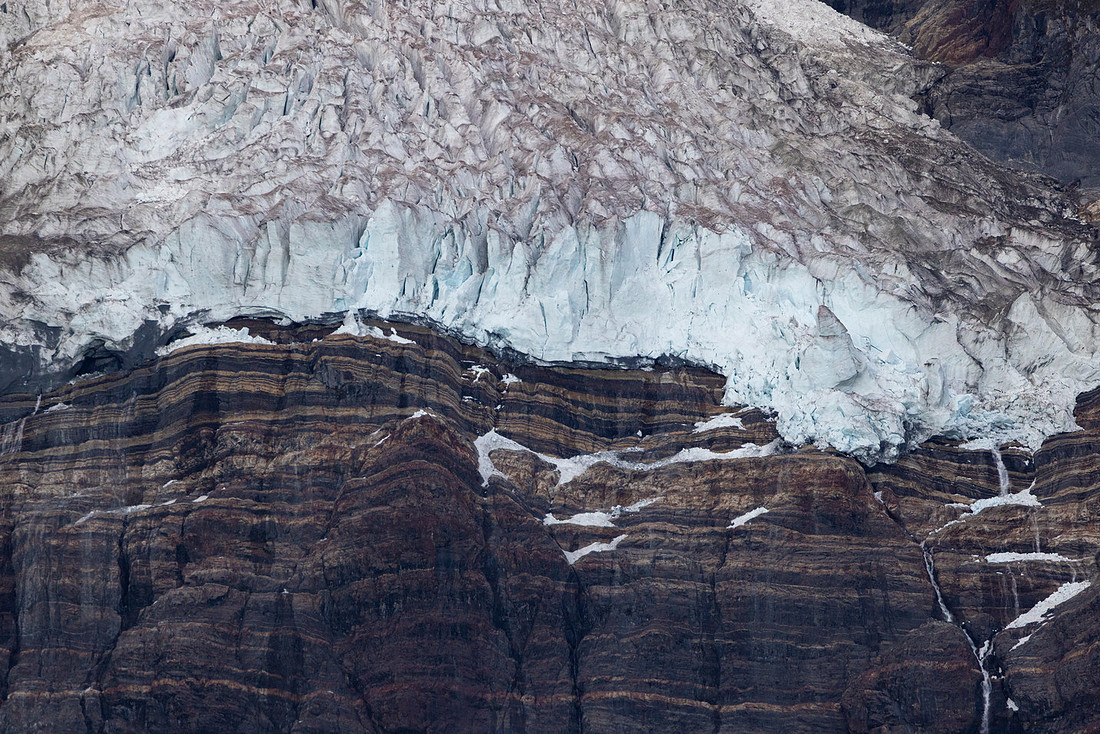
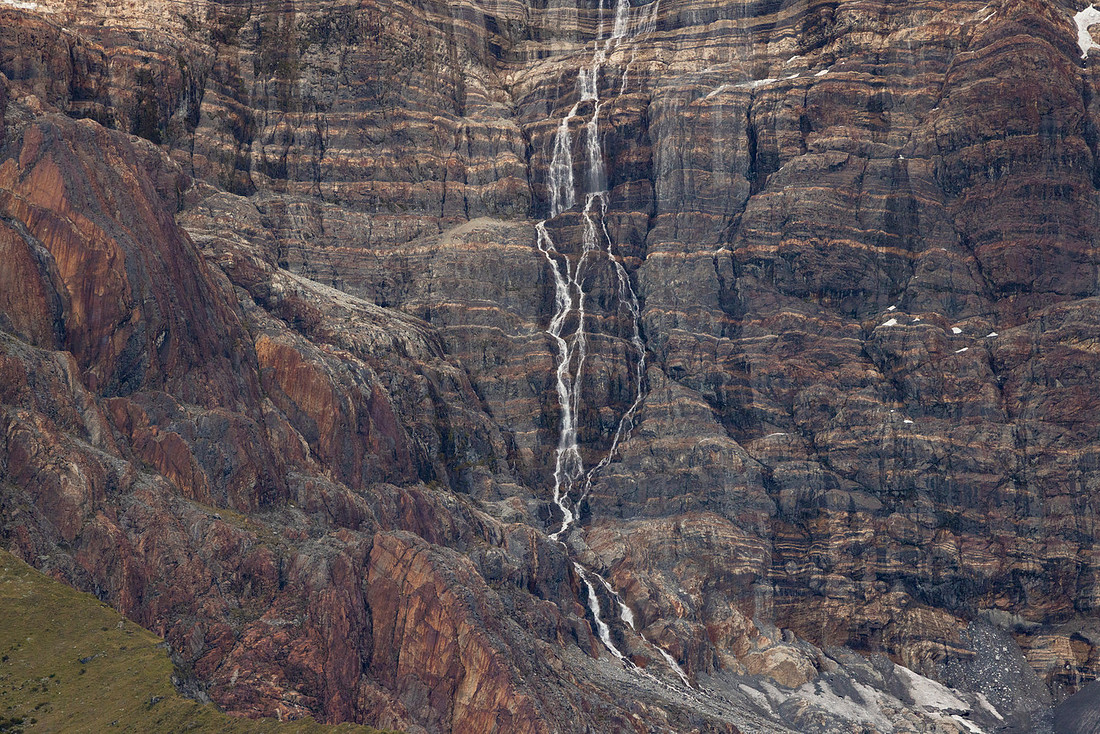
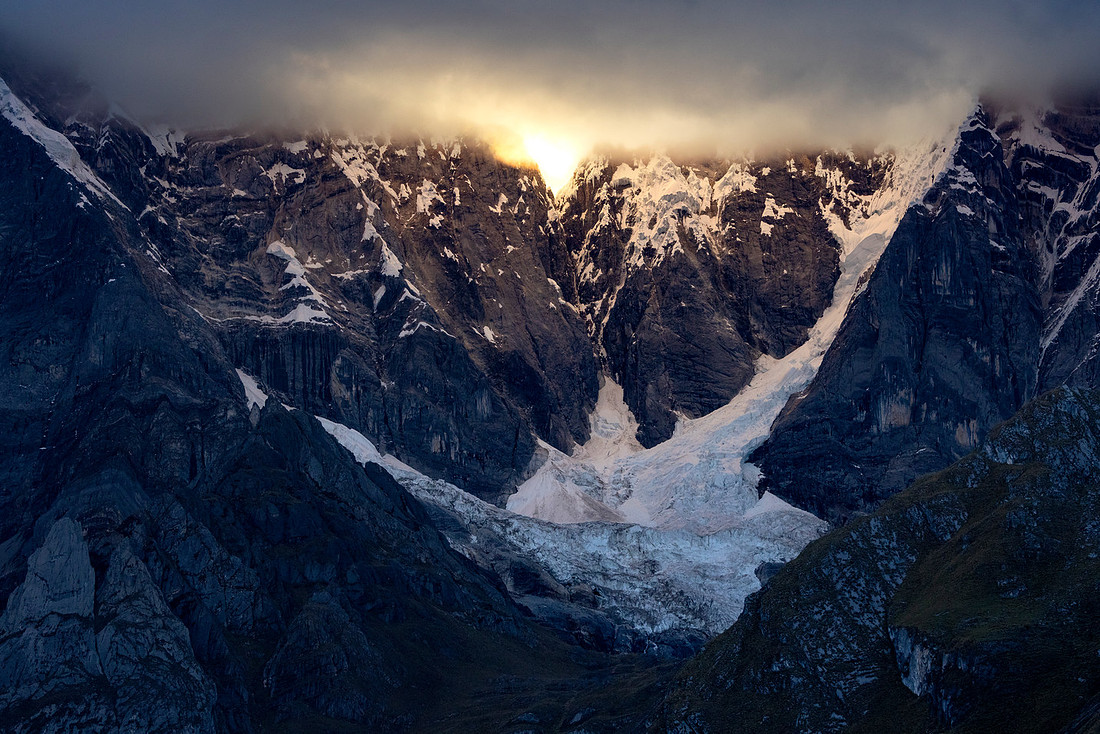
When I woke up the next morning and still couldn’t eat, I knew the decision was made. Without calories, I couldn’t safely continue. Evacuating that day was heartbreaking—it was the day the group would hike to one of the most scenic areas of the entire trip, the very photos that had inspired me to come in the first place.
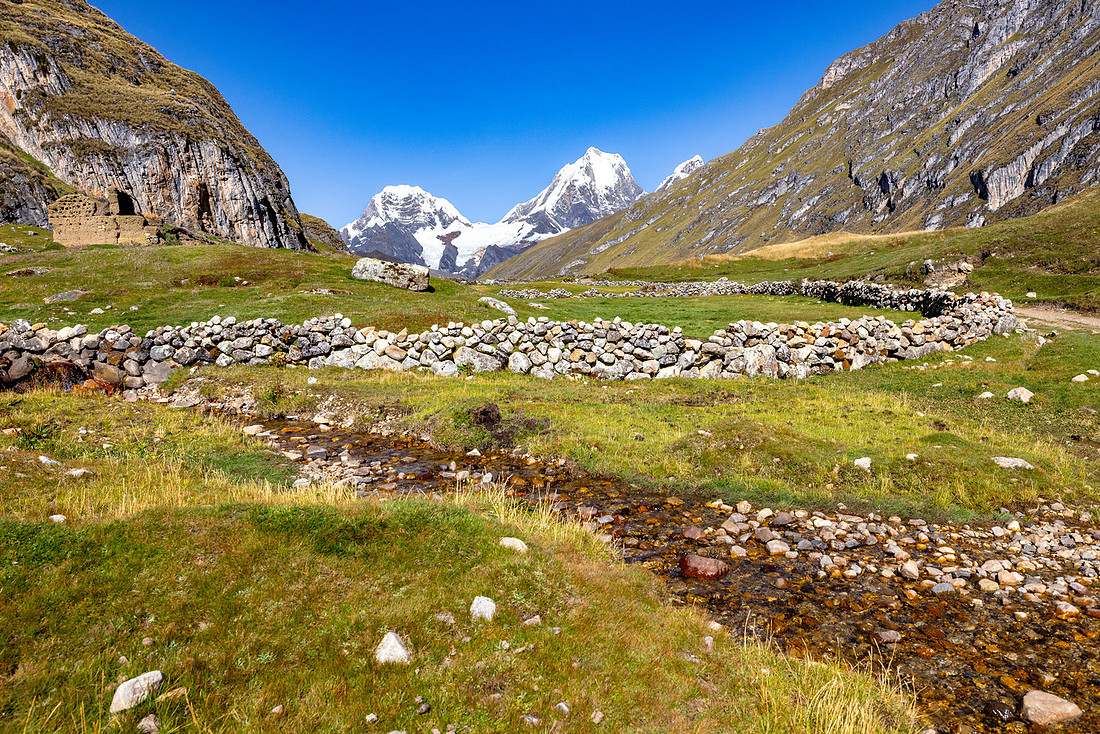
I said goodbye with the hope that I might recover at lower elevation and rejoin them in a few days. At that point, we still believed altitude sickness was the cause. About halfway down, the clouds burned off and the full range came into view. It was a beautiful consolation, even as I wished I were still hiking with my friends.
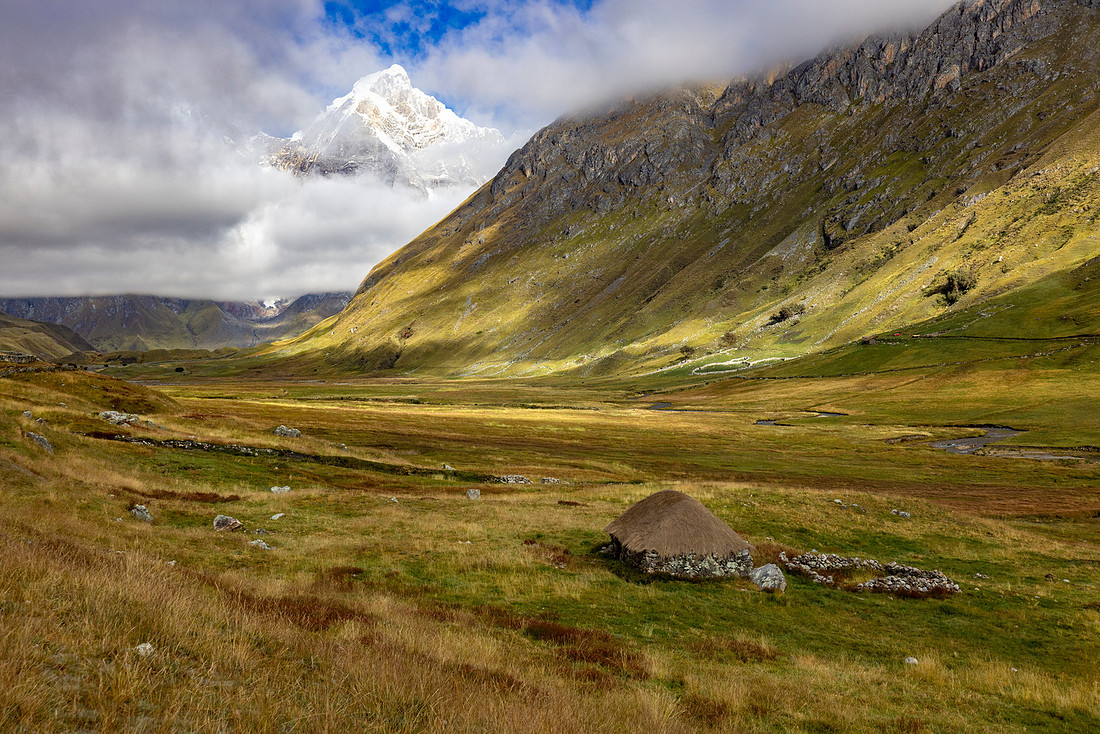
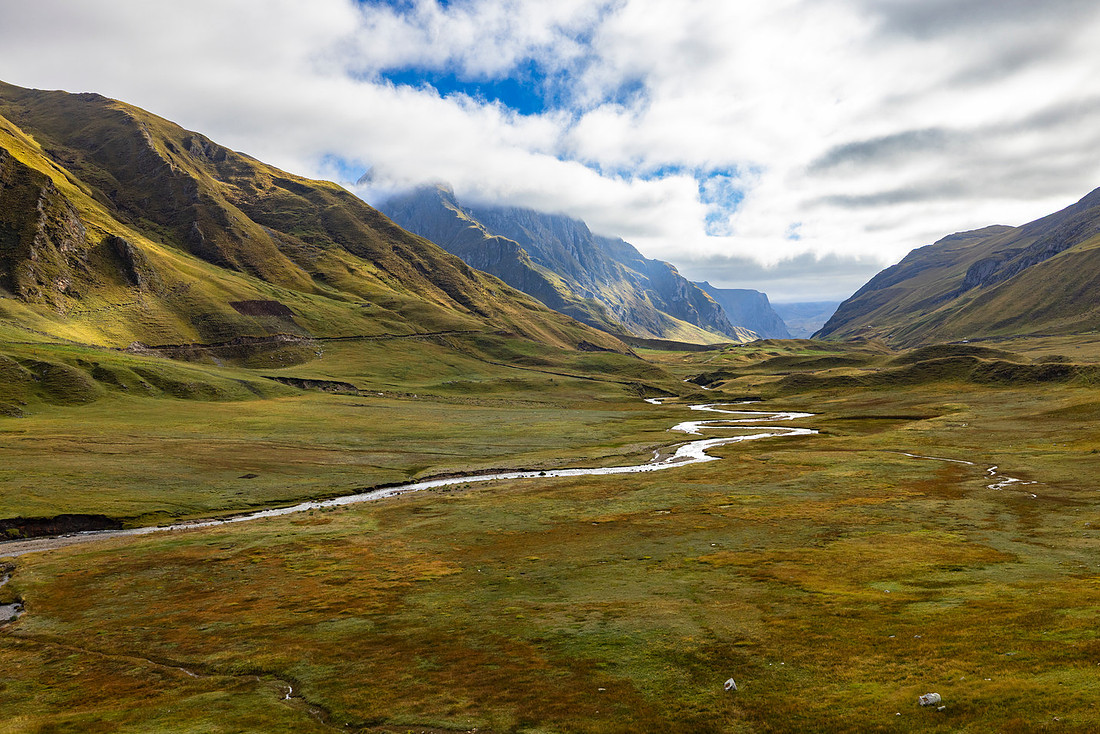
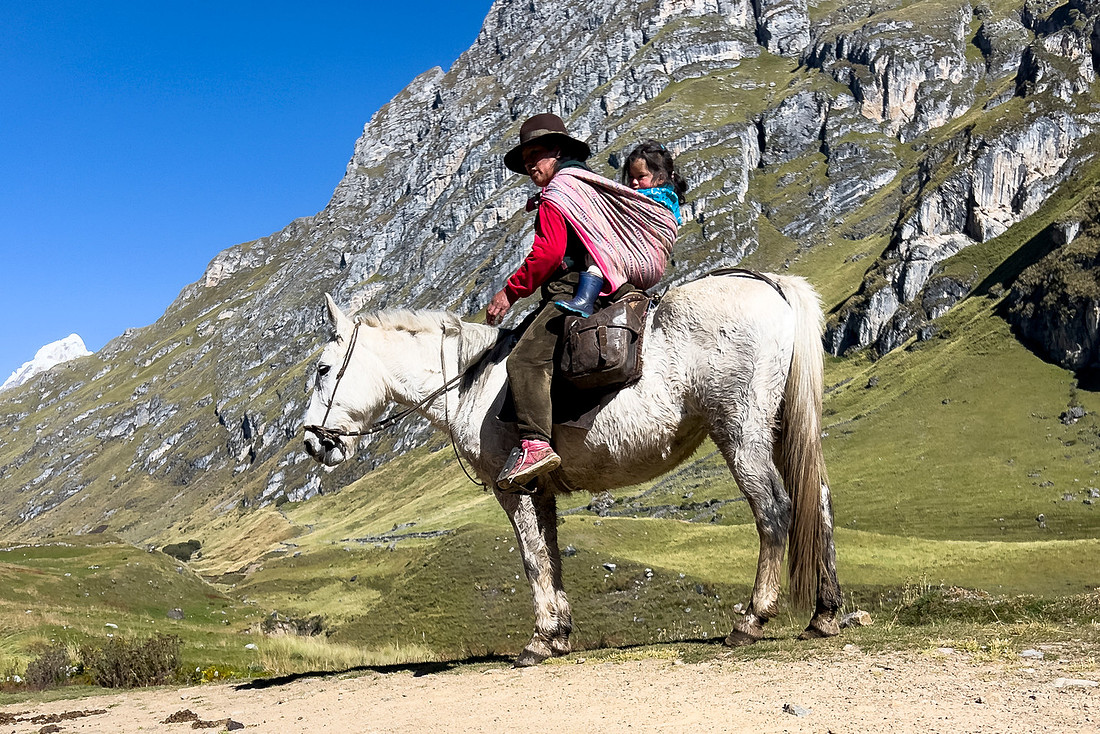
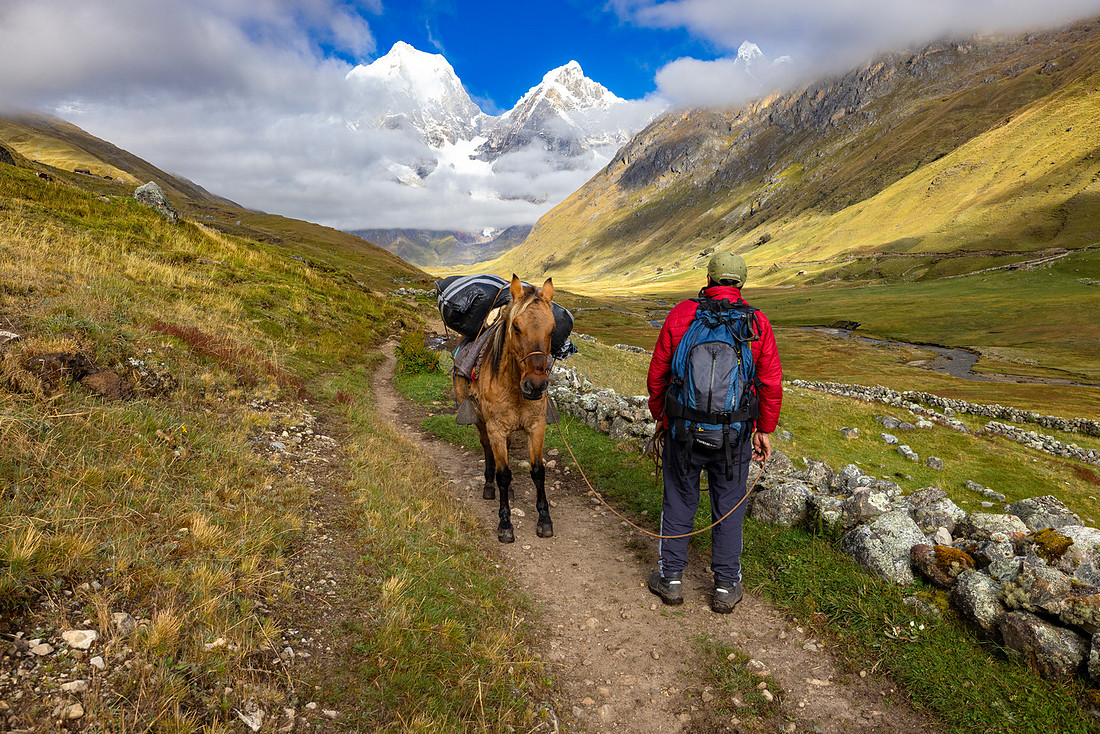
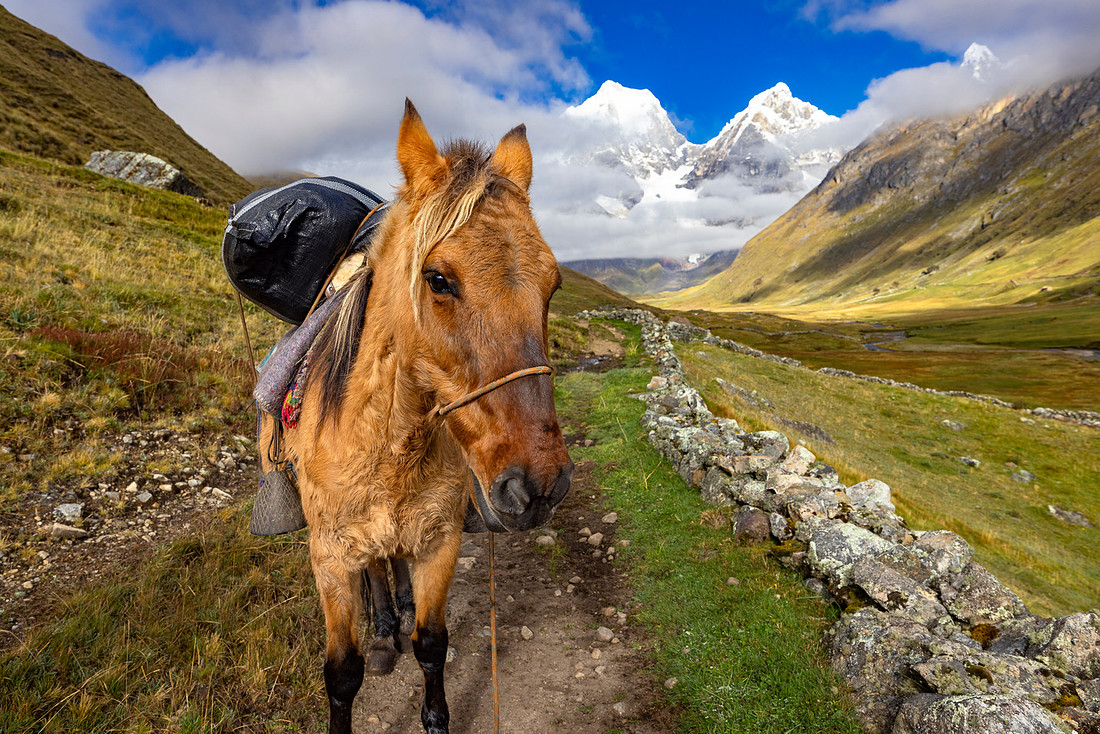
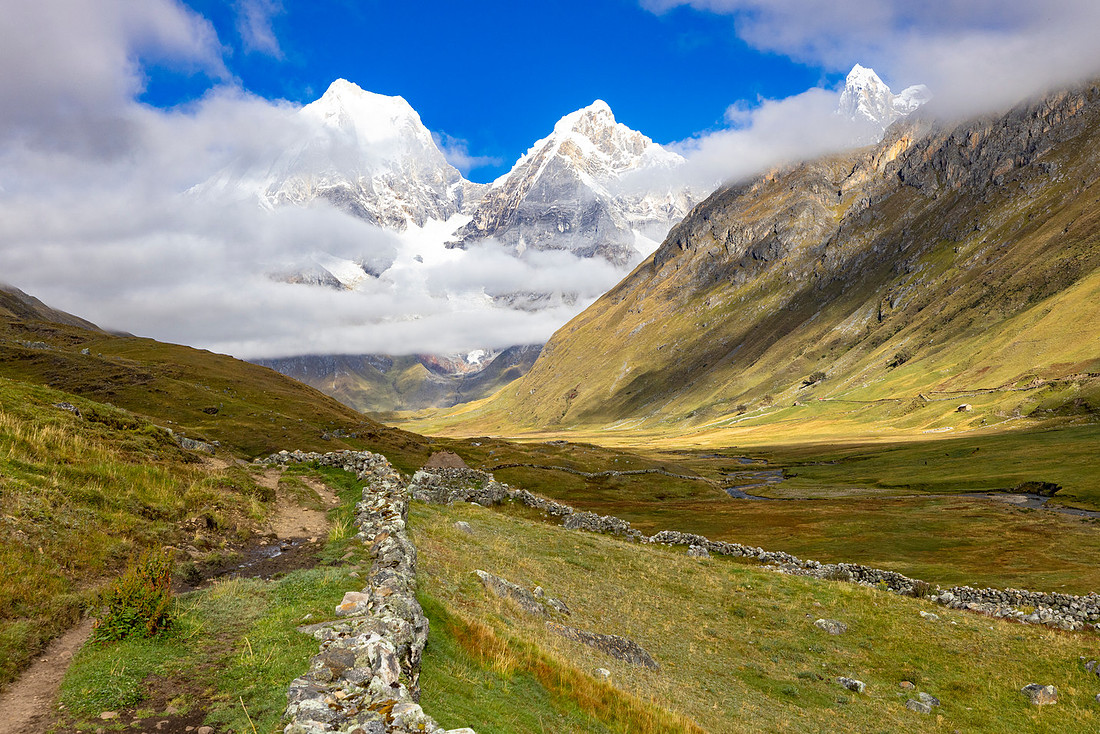
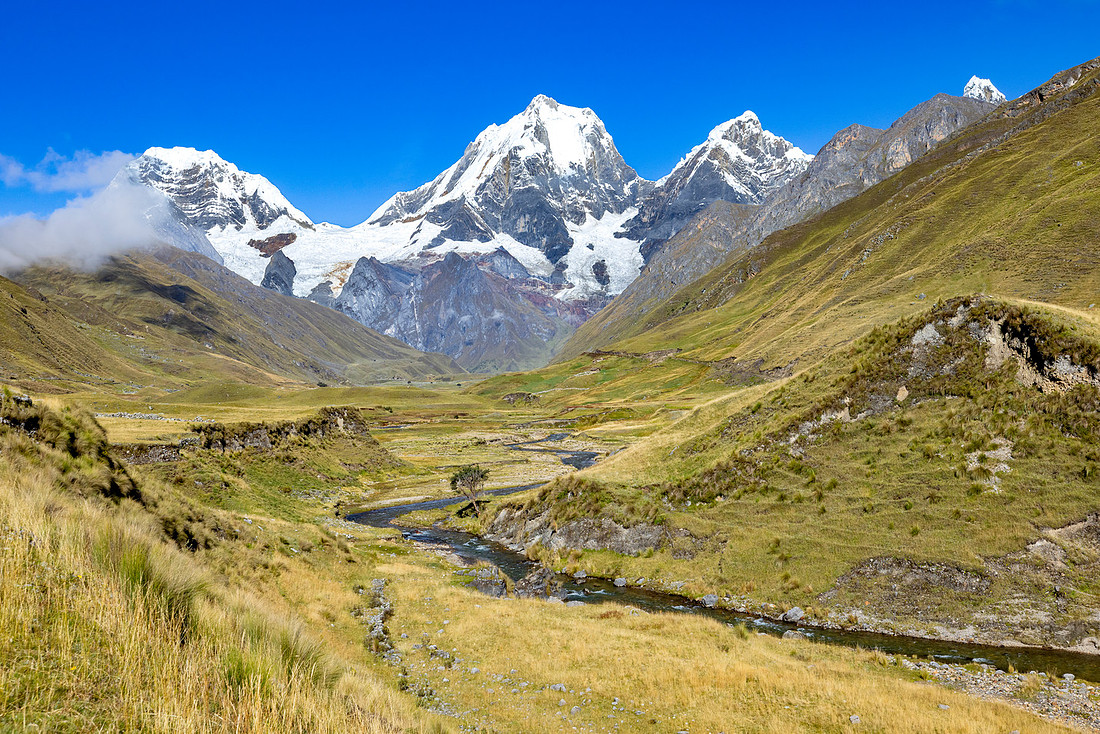
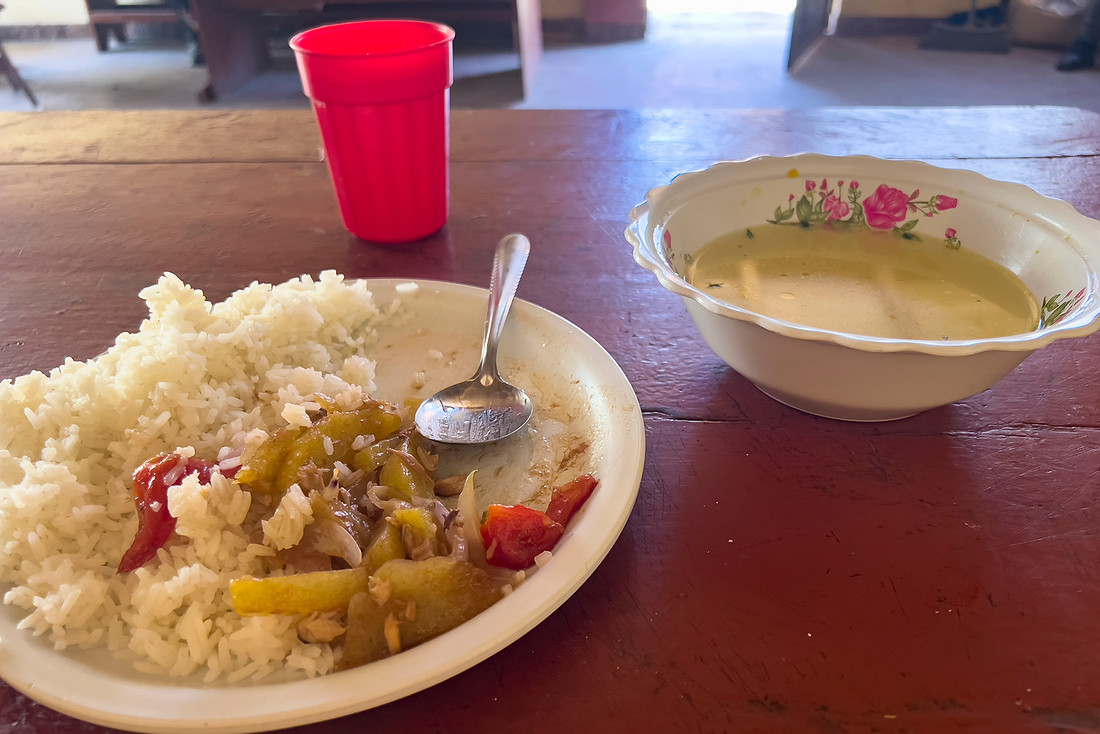
In Queropalca, Alfonso found out a shuttle would arrive in a few hours. While we waited, we ate at a tiny “restaurant”—a dirt-floor building run by a small older woman who welcomed us like family. She brought roasted chicken, rice, vegetables, soup, and juice. Even without an appetite, I tried to eat. The total bill—after tip—came to about $1.80 each. It was the least expensive meal I’ve ever had.
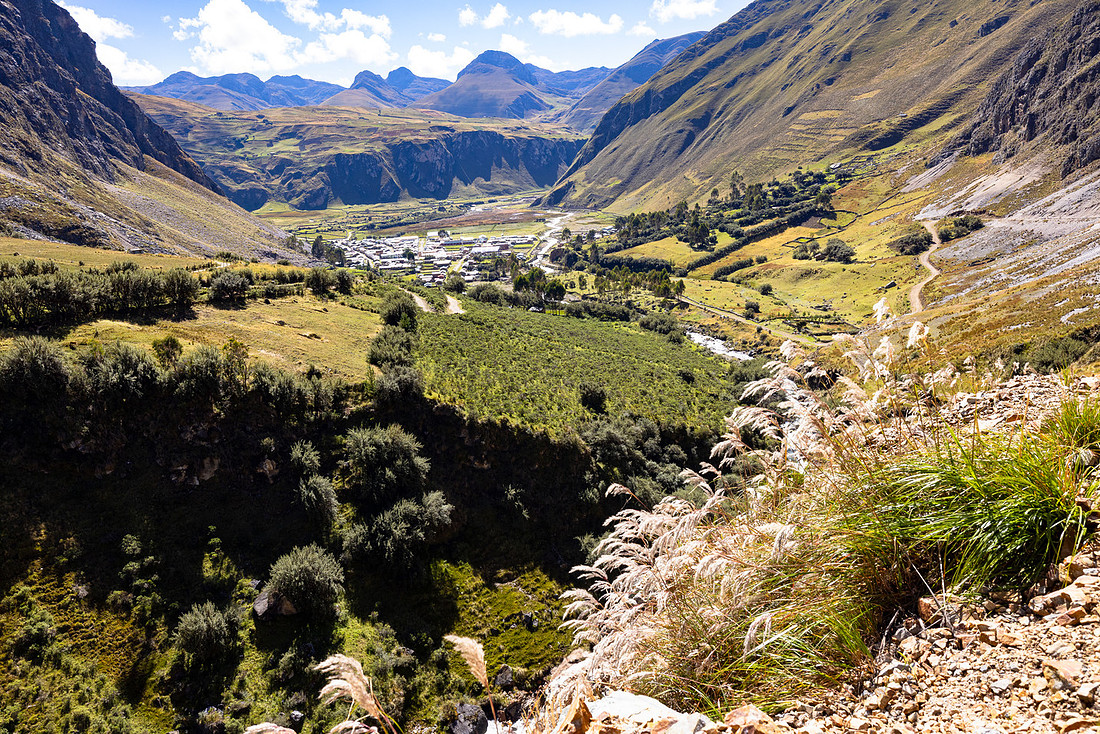
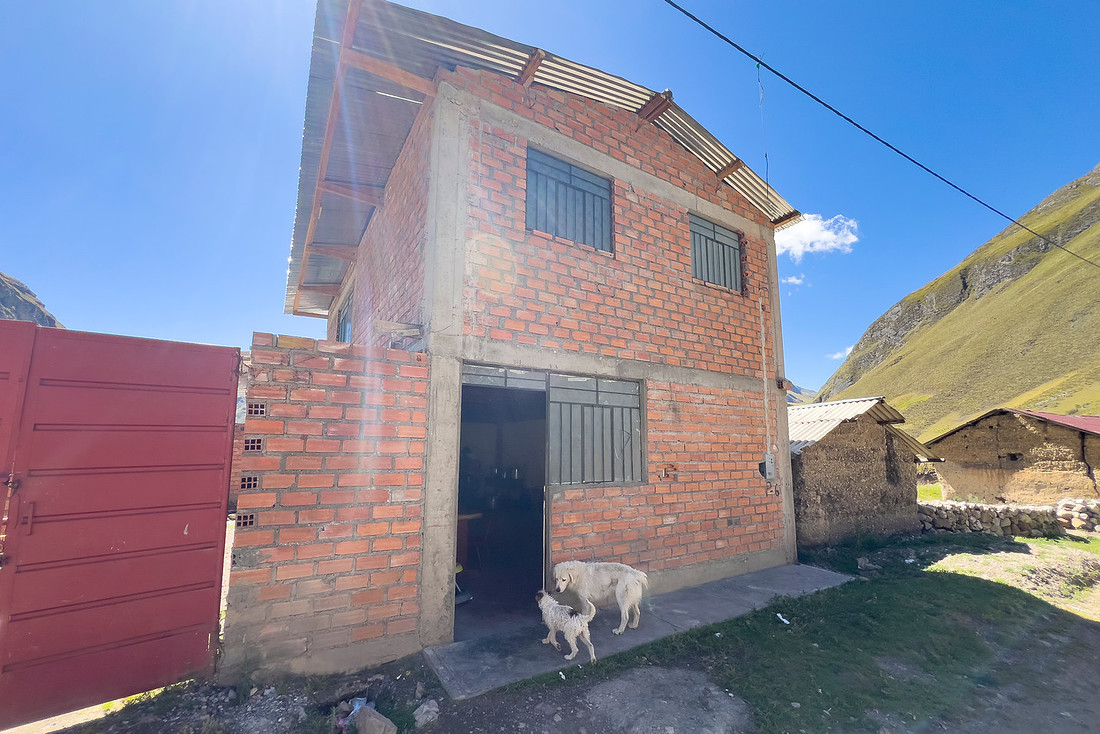
I napped on a bench outside the town market while waiting for the shuttle, soaking up the warmth of the sun.
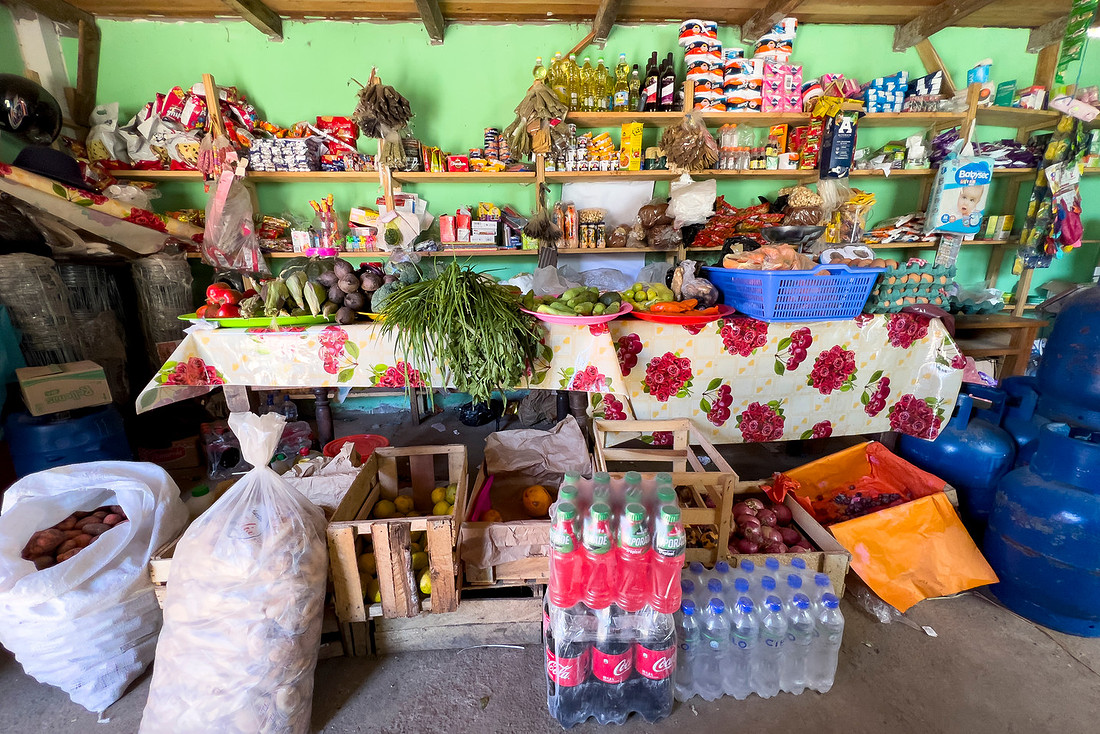
When the van arrived, we began the seven-hour drive back to Huaraz along narrow dirt roads, steep switchbacks, and single-lane mountain passes. One town we passed through showed serious flood damage—riverbanks reinforced with riprap, roads still under repair. It reminded me of the 2022 floods in Yellowstone. We reached the hotel around 10 p.m. I fell asleep instantly.
The next morning, there was a knock at my door—Alfonso and a doctor. Through Alfonso’s translation, the doctor ran through questions and basic checks. The number that stuck with me: my oxygen saturation was 82%. Alfonso picked up medication, water, and Gatorade and checked on me again before rejoining the group. I spent the next three days completely bedridden, getting up only to shower or use the bathroom.
On day four, I finally felt hungry and ventured out to pick up food. Halfway there, my peripheral vision blurred and darkened—it felt like a dream. Knowing it was likely tied to my oxygen levels, I stuck to delivery after that.
While the group was still trekking, Corrie checked in via satellite phone. Alfonso had become so sick he needed the emergency horse, and Corrie’s eyes had suddenly swollen shut. I slept nearly 14 hours a day and felt exhausted after showers. After a week alone in the hotel, the group returned—having finished the 10-day trek a day early. It was obvious I’d made the right call. The route only got higher and harder. I only got worse.
We walked around Huaraz, bought souvenirs, then took the overnight bus back to Lima. We stored bags in Barranco and explored what we could—I mostly napped to save energy for our final dinner at Astrid y Gastón. Founded in 1994 by chef Gastón Acurio and Astrid Gutsche, the restaurant helped define modern Peruvian cuisine. We opted for the tasting menu—15 courses and one of the best meals I’ve ever had. Also one of the most expensive.
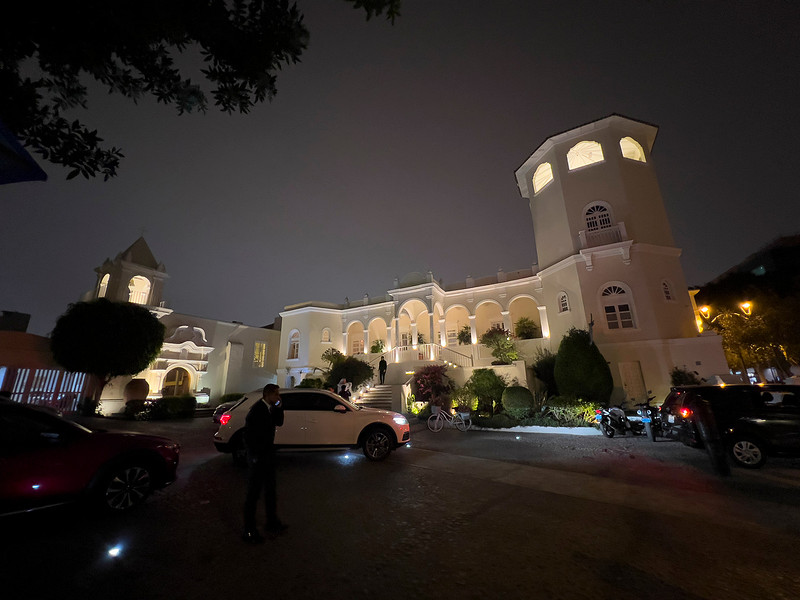
In the same week, I had the cheapest and most expensive meals of my life.
After dinner, we went straight to the airport for our flight home. A kind flight attendant noticed we weren’t well and moved Corrie and me to our own row. Neither of us slept, but we made it home. Corrie mentioned her symptoms to her mom, who suggested a COVID test. Bingo. Everything finally made sense.
It took another six weeks before we felt like ourselves again. Just when I thought I was improving, I woke up with pink eye—the same symptom Corrie had earlier.
We eventually learned how widespread the strain was in Peru.
After nearly 18 months of fighting with trip insurance—and getting state auditors involved—Surego finally paid out our claim. Apumayo, our guiding company, went above and beyond, even offering me a free future trip.
Now that it’s all settled, I can finally look at the photos without anger or sadness.
I didn’t get the adventure I planned. But I got one I’ll never forget.
