Peru: Hiking the Inca Trail to Machu Picchu
After months of planning and nearly 24 hours of traveling, we landed in Cusco. Corrie and I were the last of our group of six to arrive. Our Apumayo guide, Yamil, and driver, Diego, were waiting for us at the airport with a sign with my name on it, a first for me.
At the hotel we met up with the rest of our group and went out for an early lunch. After lunch we took naps and met up with Yamil for a tour of historic Cusco. One of the first things we learned about the city and the culture is that Cusco was the capital of the Inca empire. They were amazing planners and engineers. Their architecture and system of trails is a testament to that.
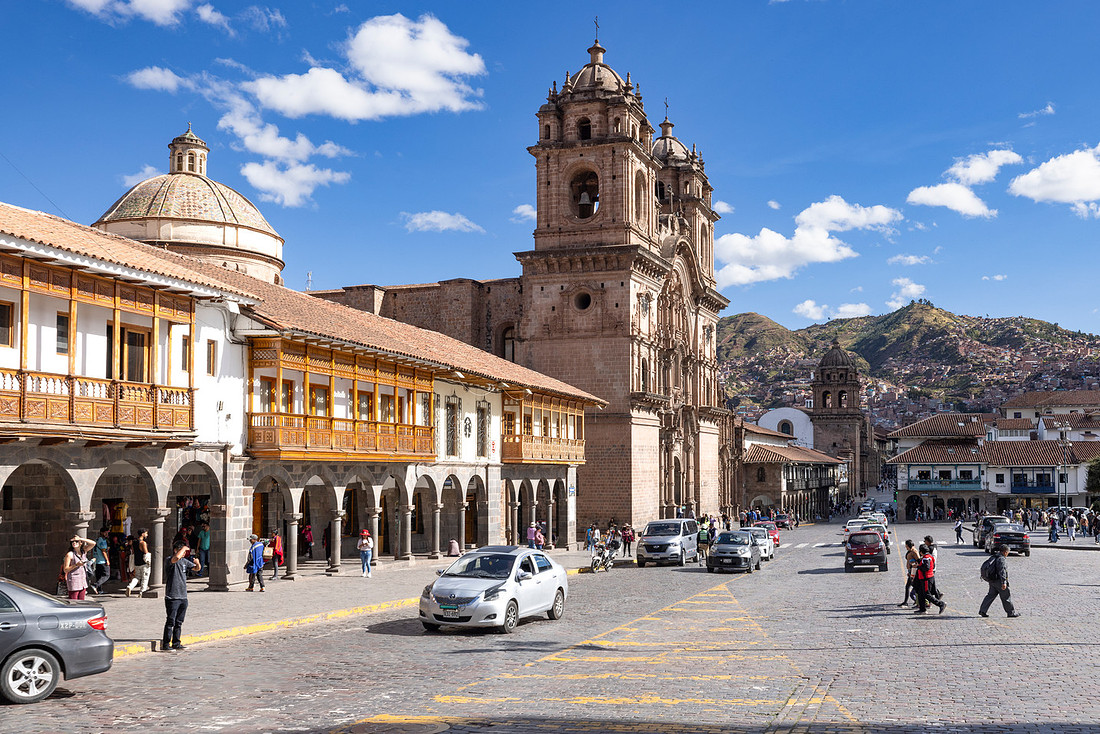

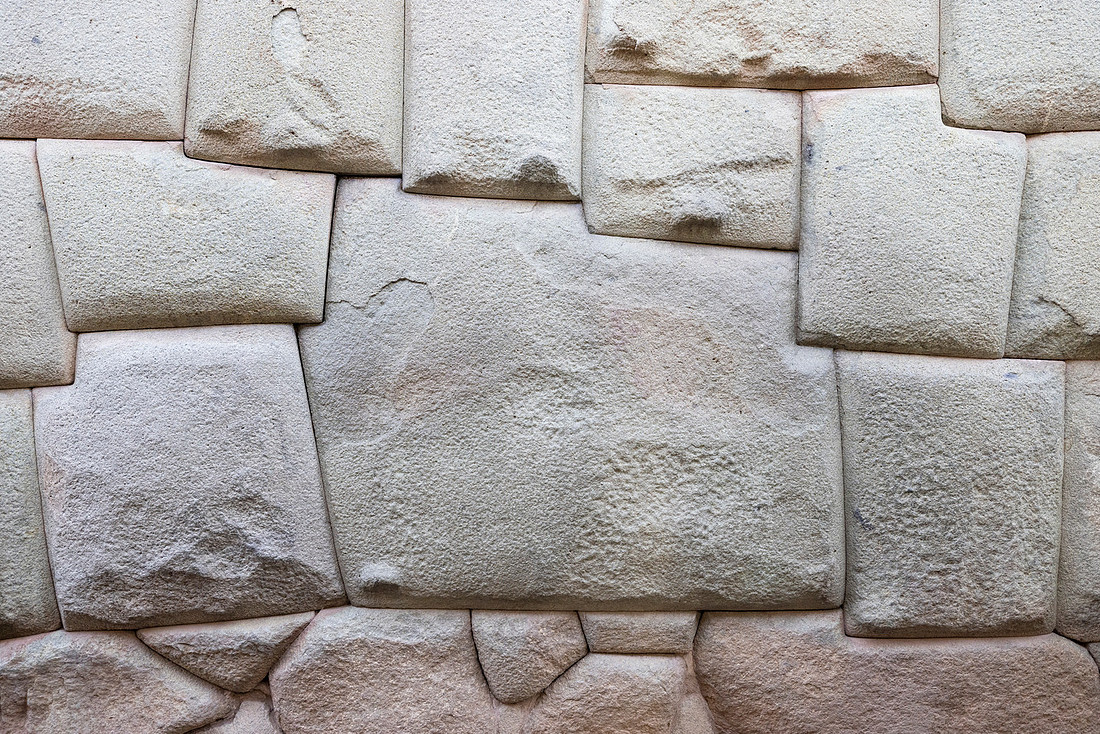
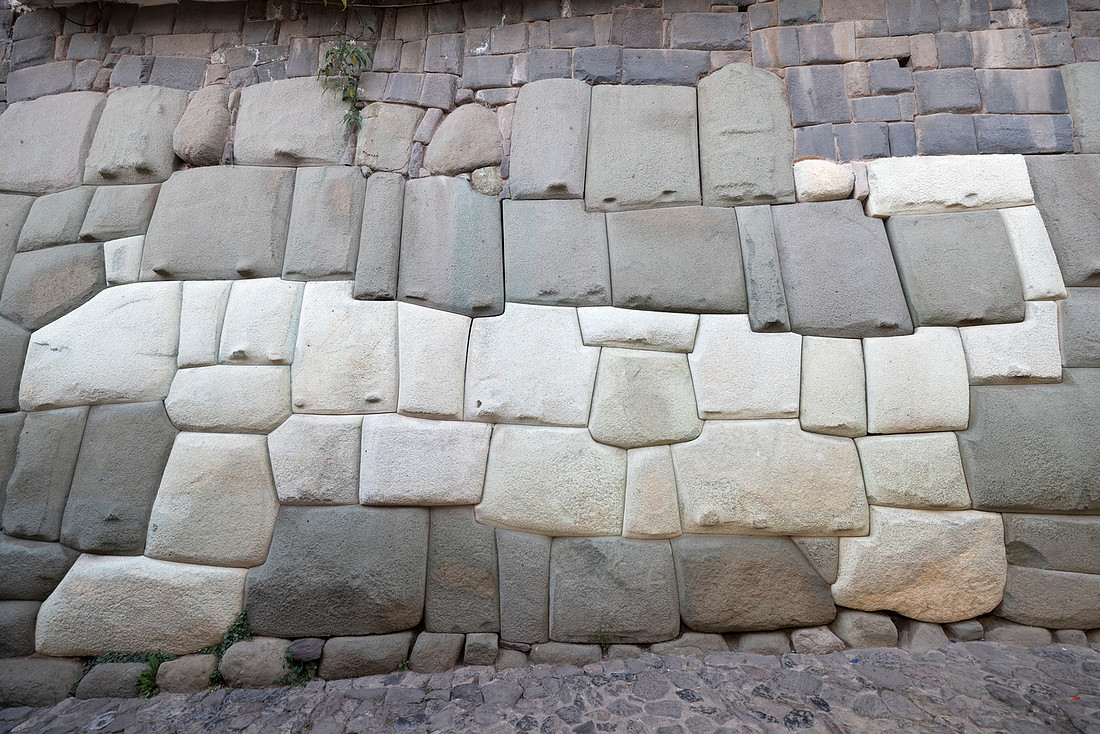
The Spanish also built directly on top of the Inca buildings. Usually they built their churches on the most important Inca sites.
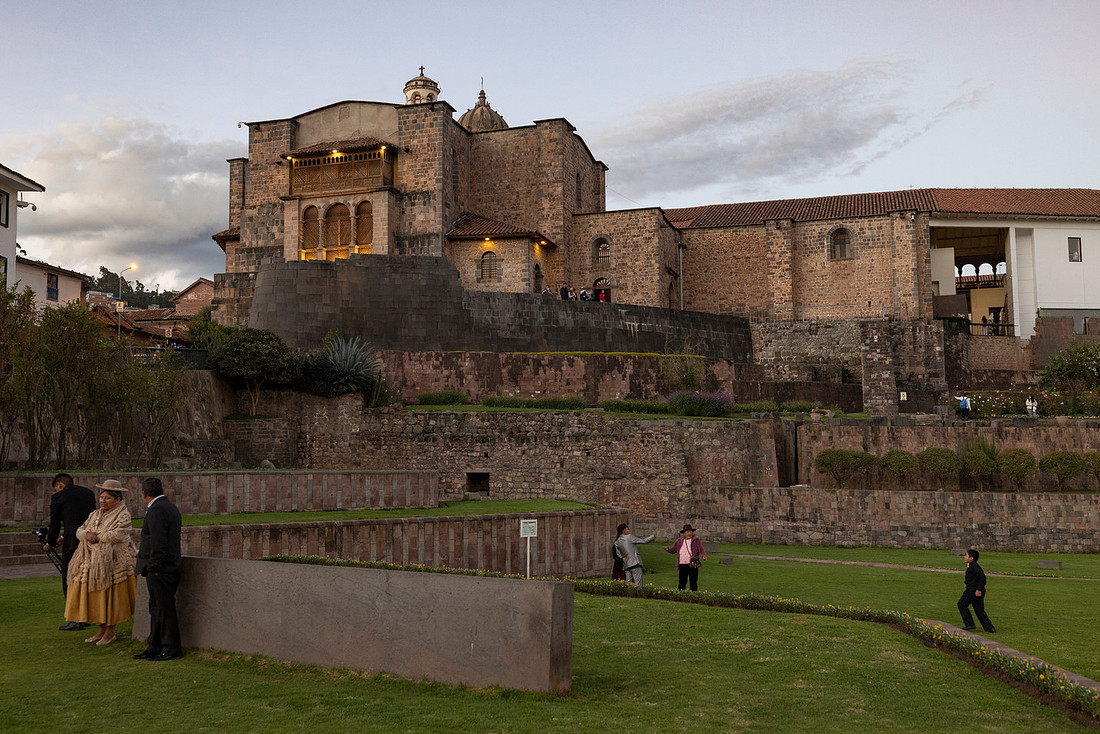
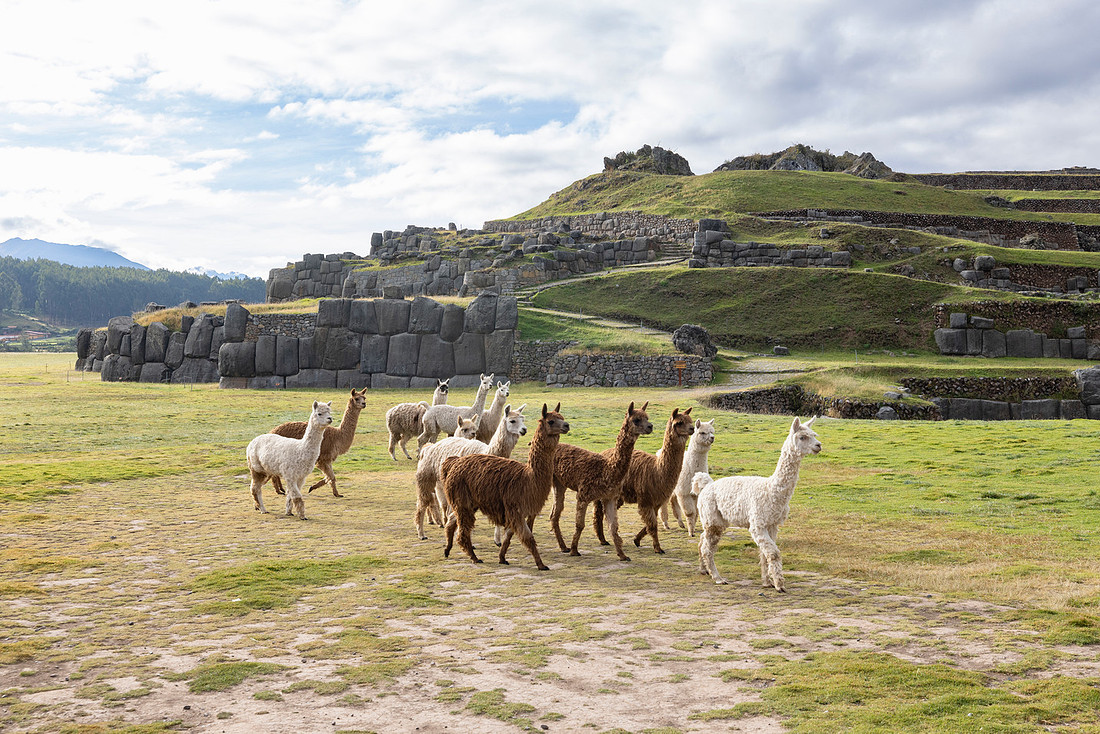
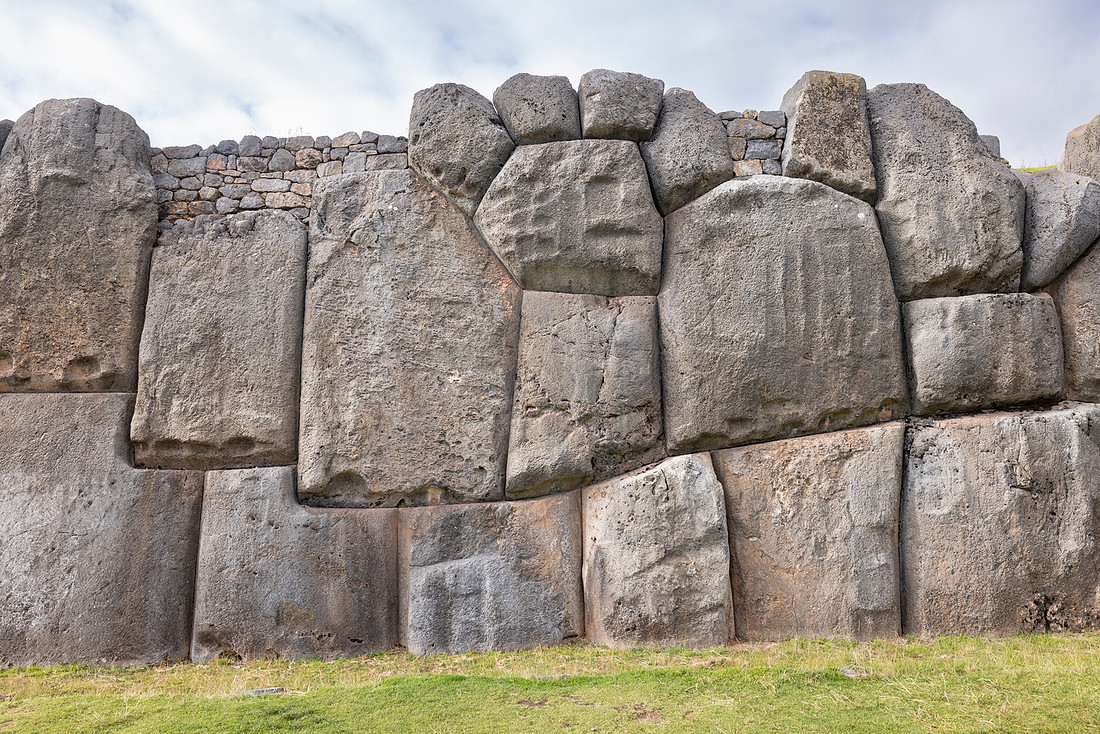
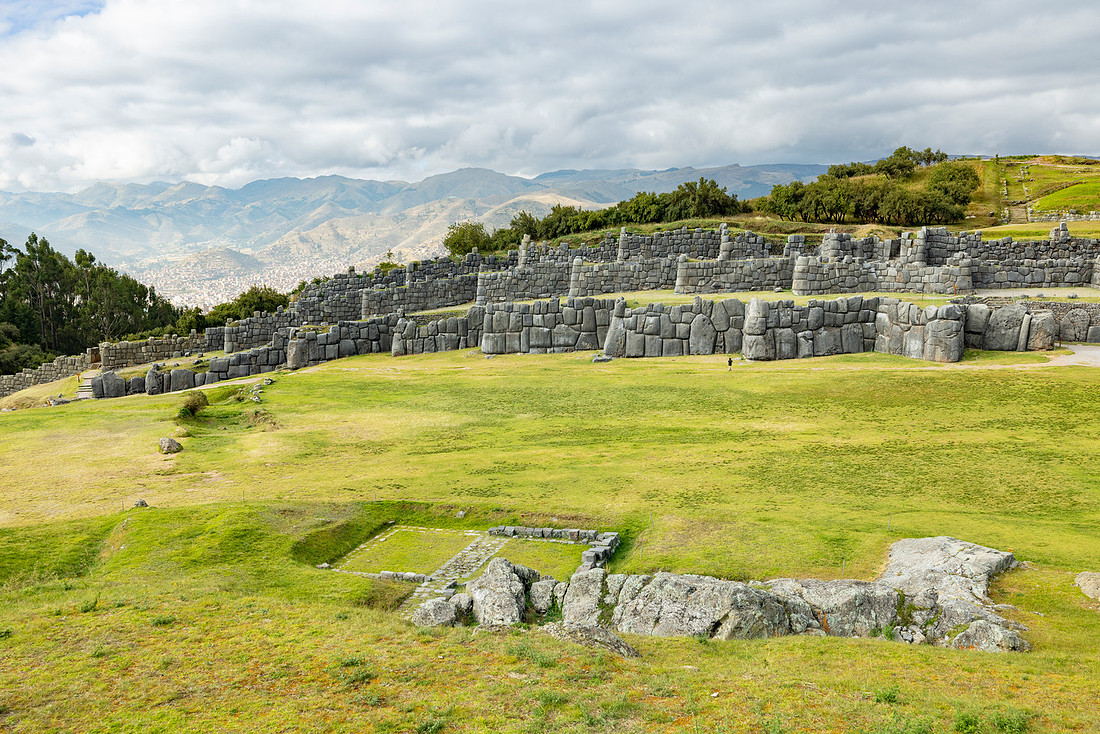
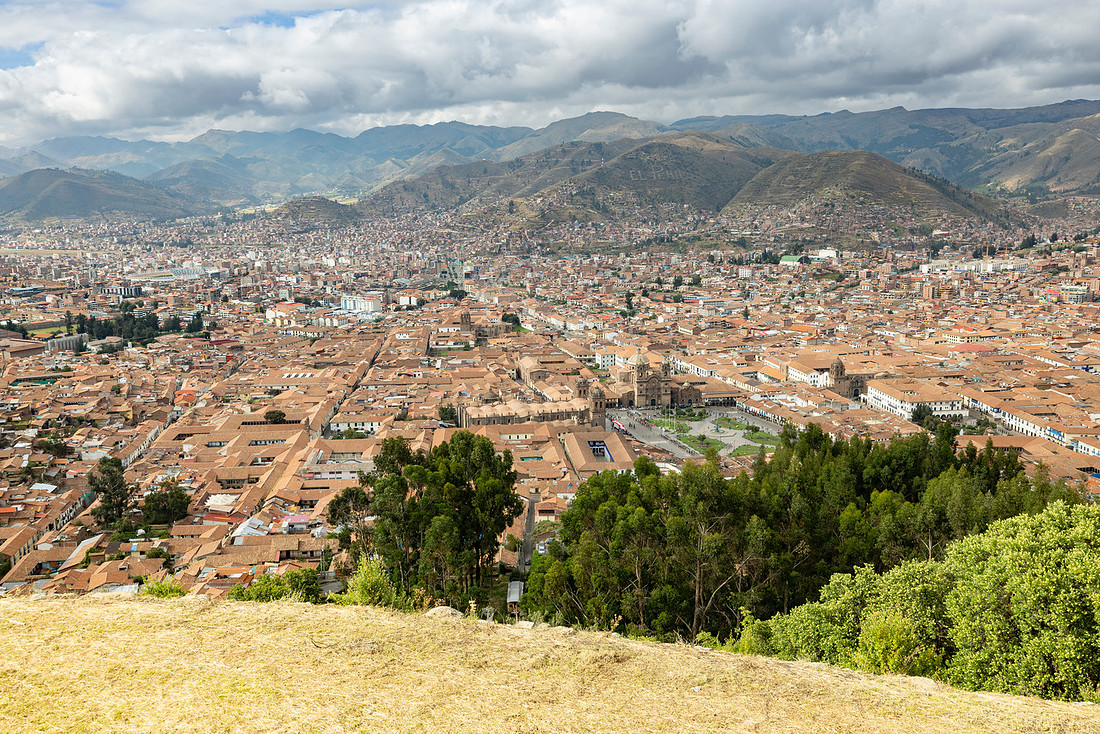
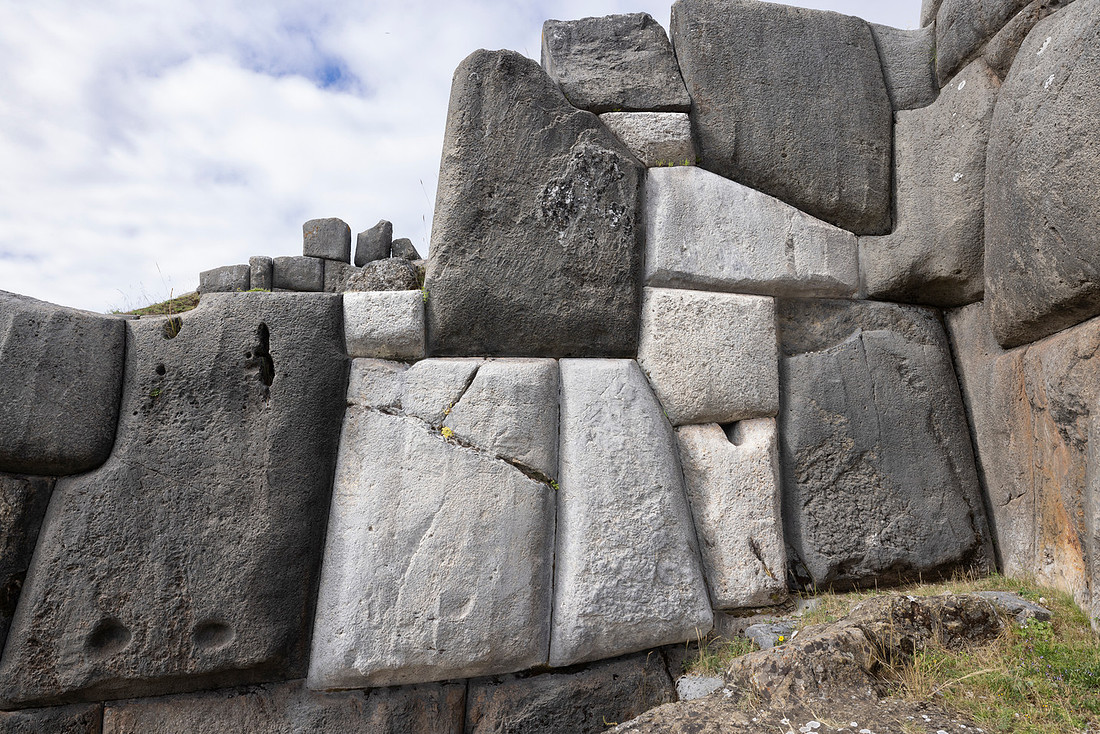
The following morning we visited our first Inca site, Sacsayhuamán. Located on a steep hill that overlooks the city, the fortified complex has a wide view of the valley to the southeast. Archeological studies of surface collections of pottery at Sacsayhuamán indicate that the earliest occupation of the hilltop dates to about 900 CE.
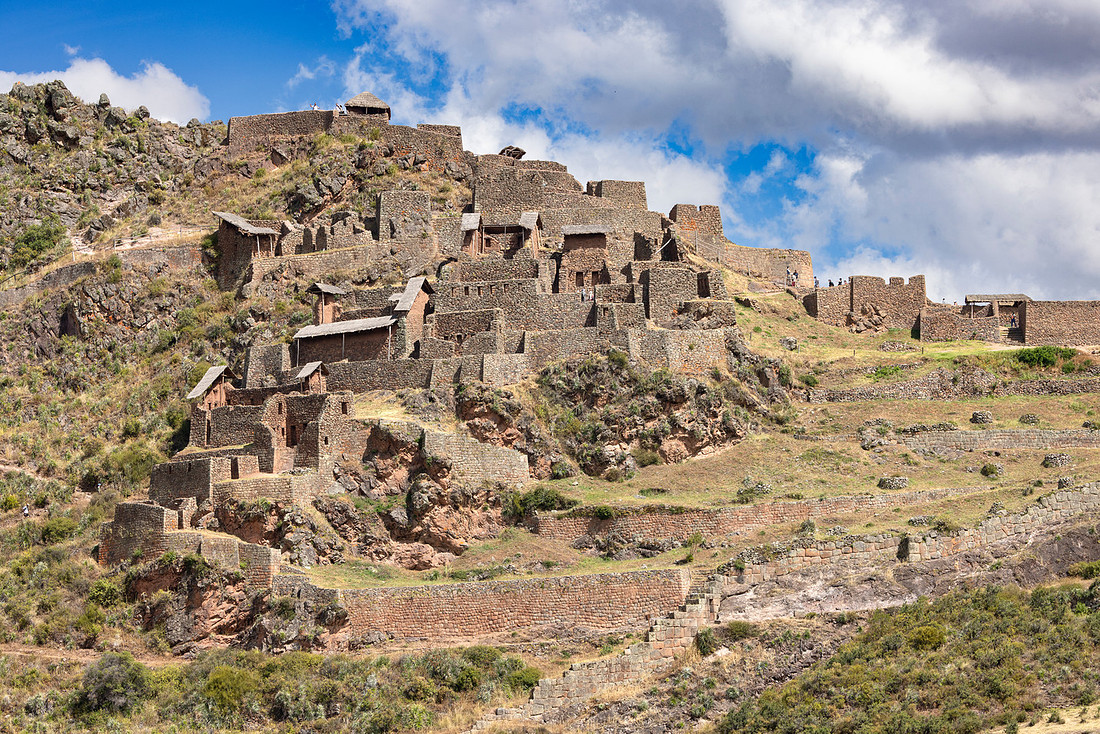
From there we drove to the Inca complex at Písac. Similar to Sacsayhuamán, the complex here is located on a mountain above the town. The big difference here, this is the first site that we saw with extensive terraces.
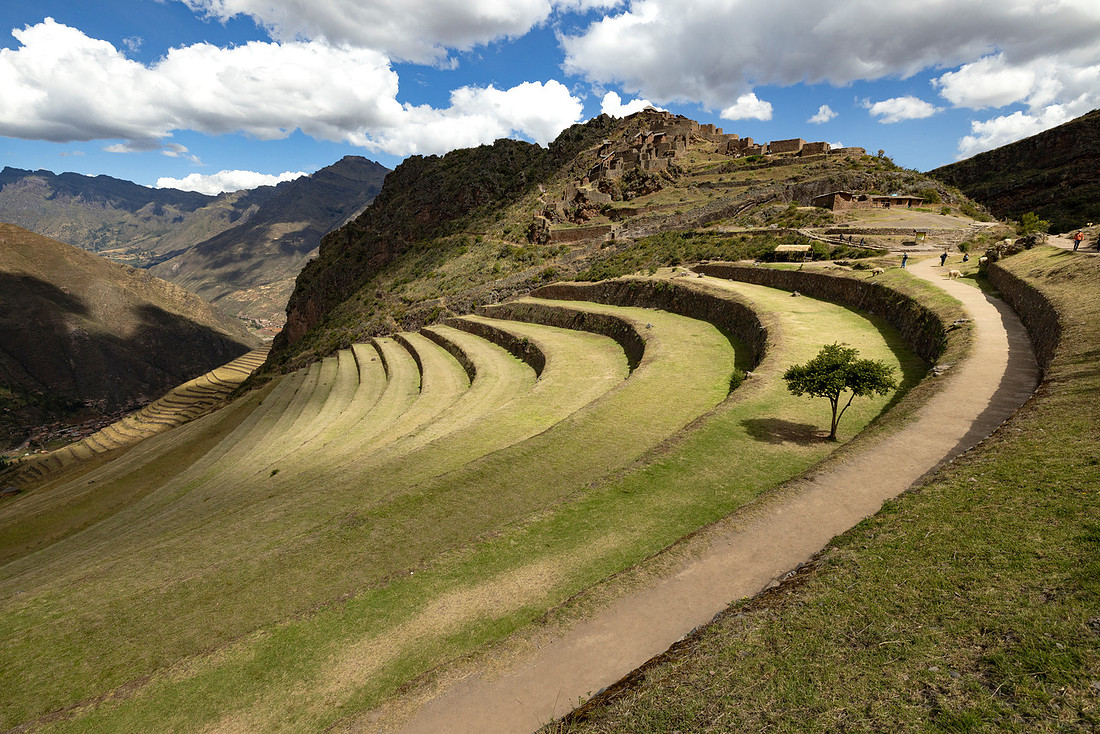
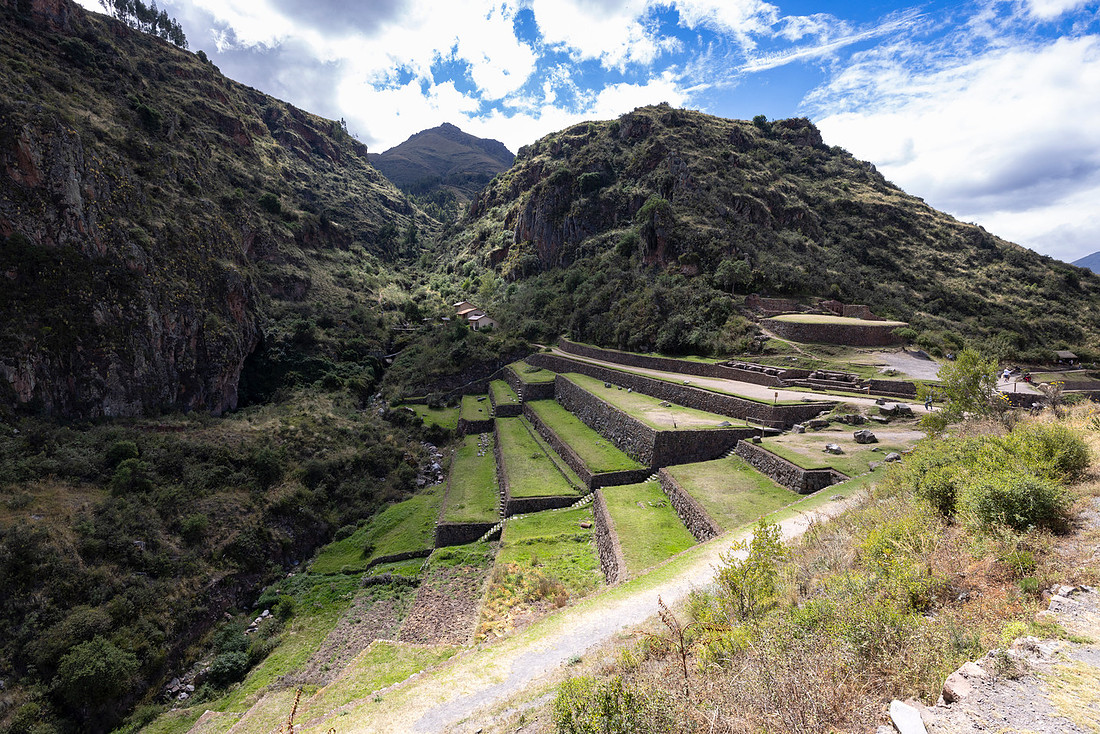
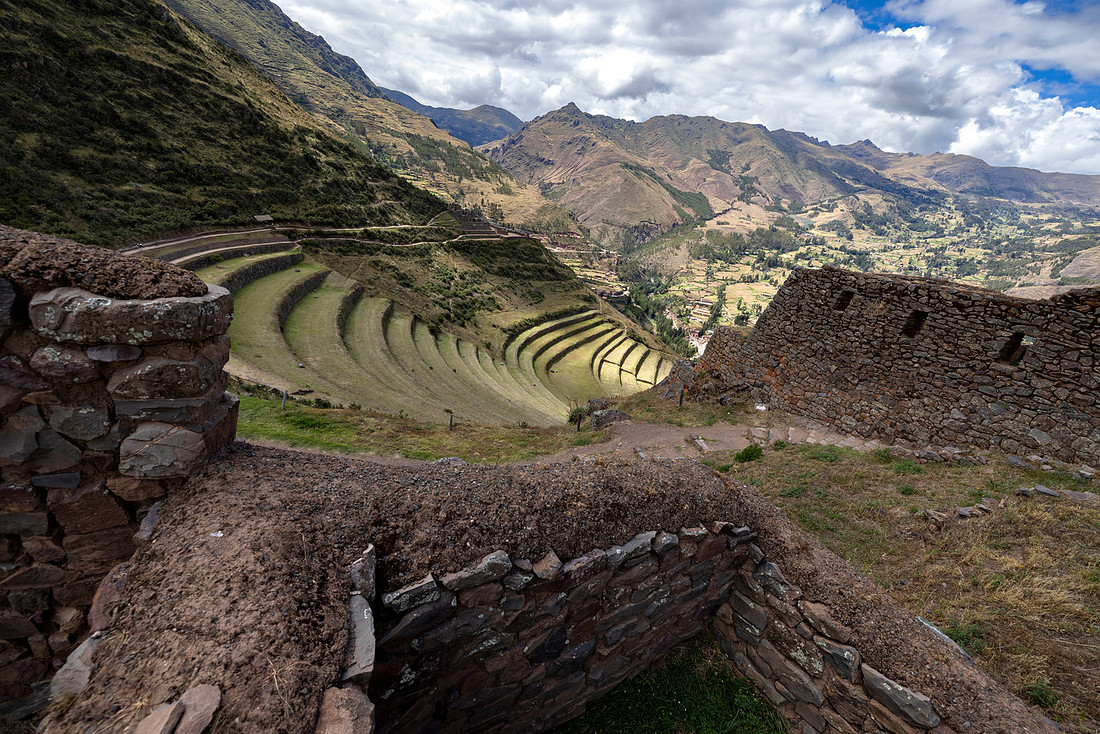
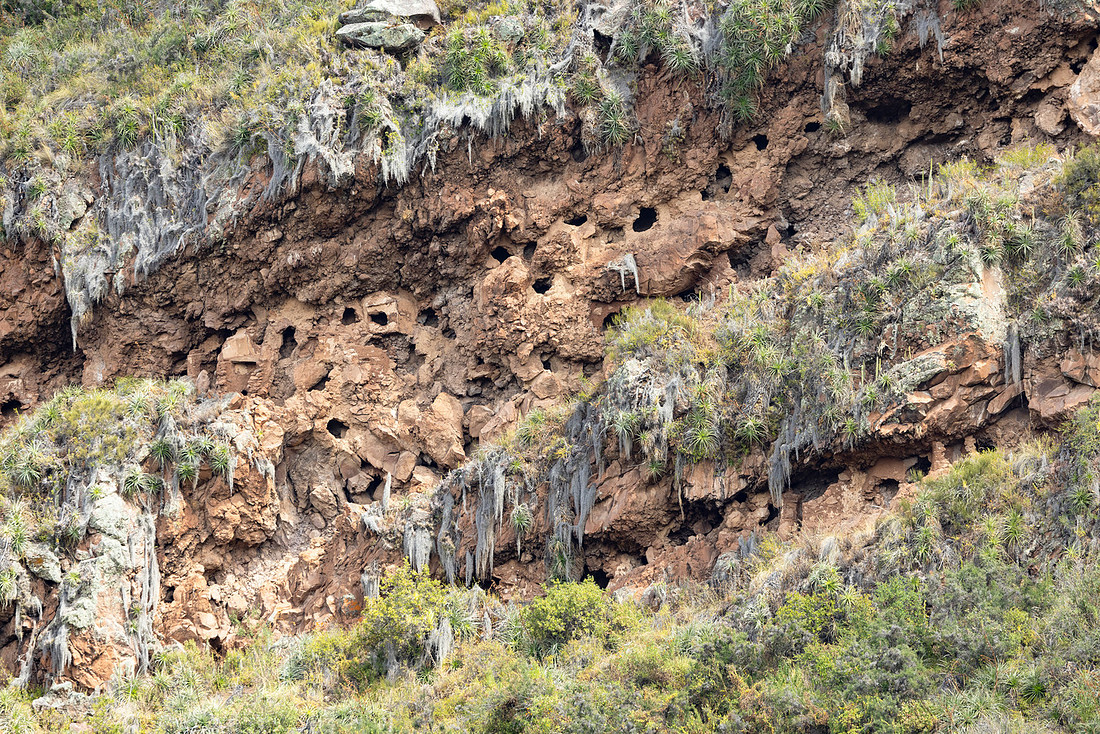
This site was also the first with active fountains. The engineers built these fountains at the base of the structure. The idea was that it was a place to clean before they entered these holy sites. Directly behind the fountains we saw a bunch of holes in the rock. We were told these were tombs for important people, and the holes were from grave robbers in more recent history.
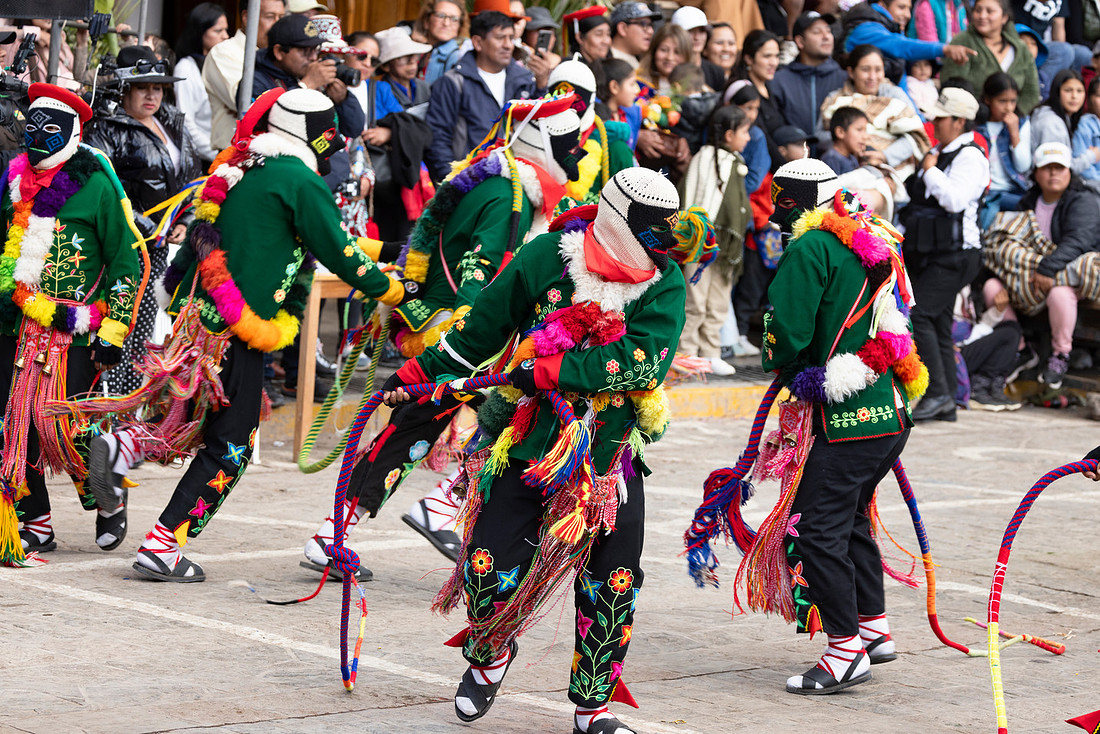
After leaving Pisác, we made our way to Ollantaytambo. We had to take the long way around to get to our hotel because there was a festival going on. There were bull fights and parades in the town square. One thing is for sure, Peruvians know how to throw a festival. They have some of the coolest clothes.
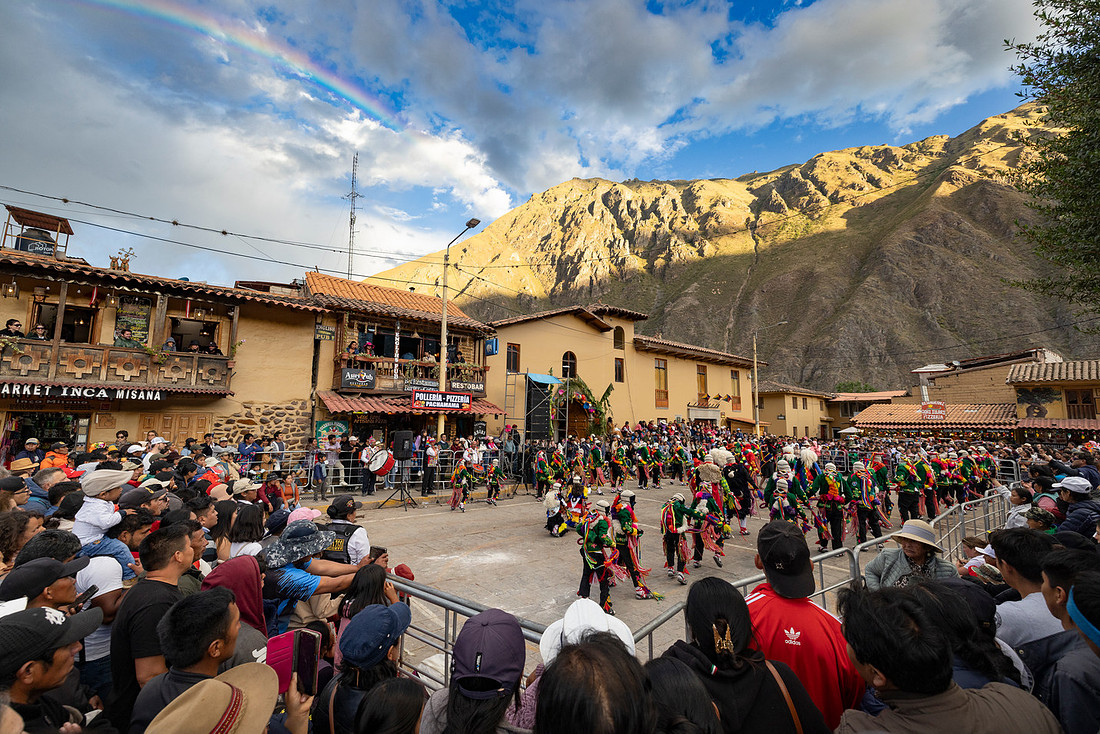
After the festival, we walked around the town before grabbing dinner and heading back to our hotel.
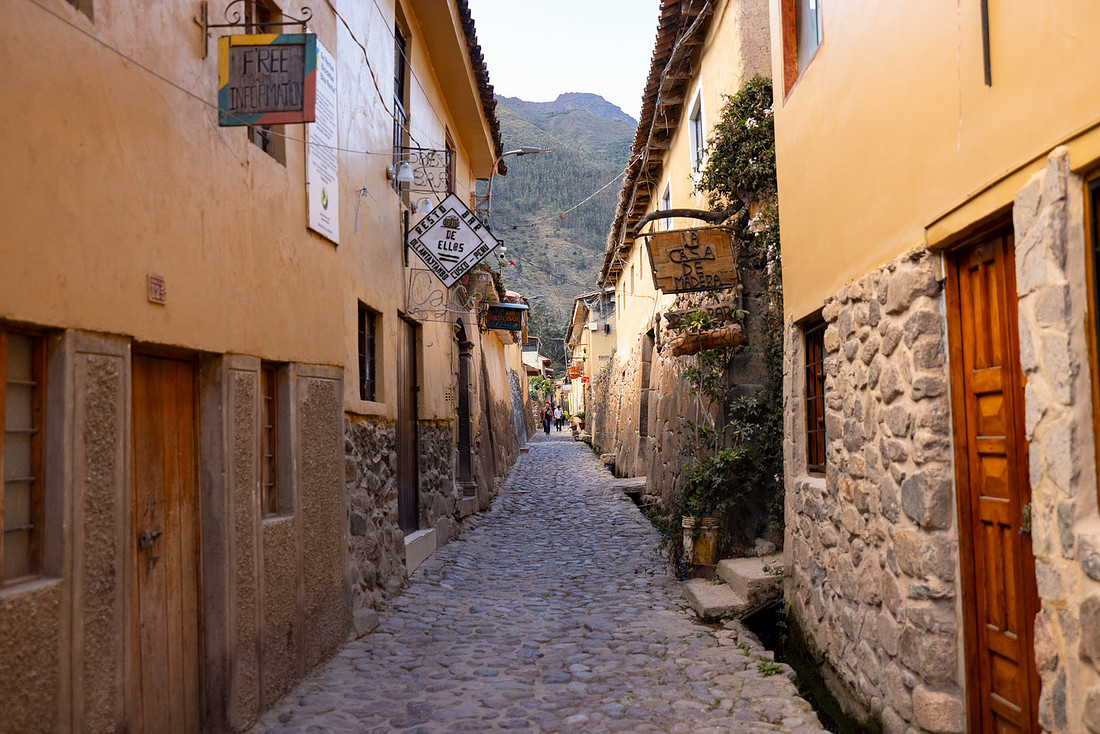
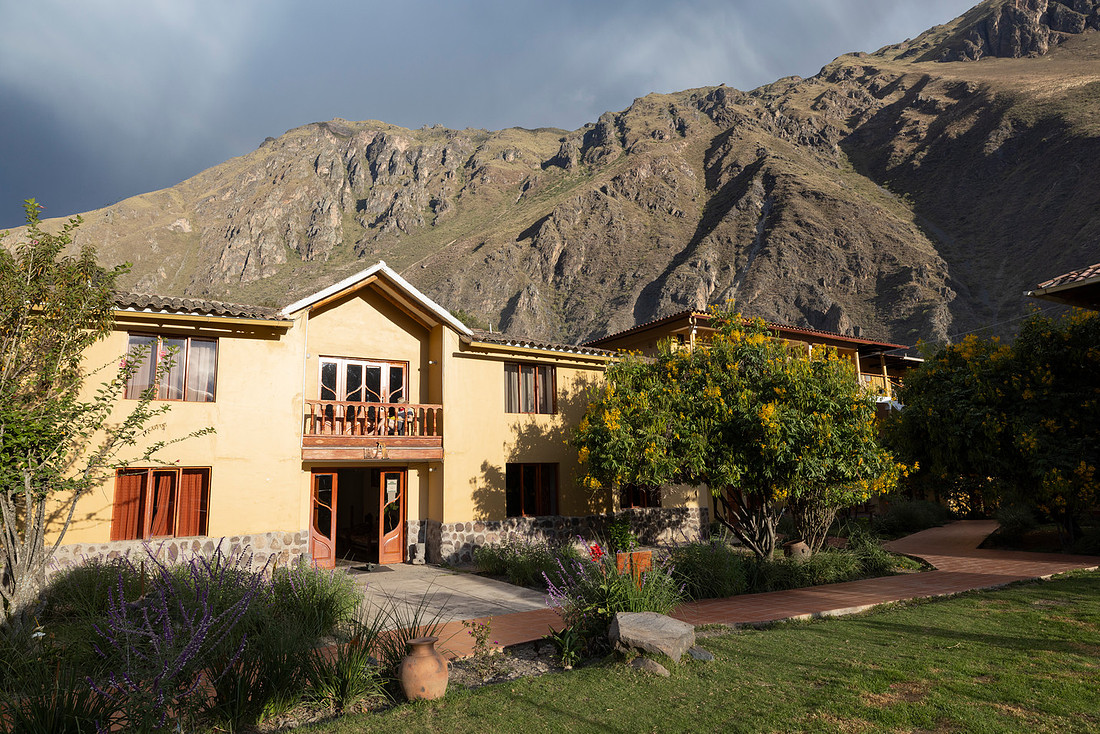
The following morning was a beautiful sunrise. After breakfast the clouds had burned off and we had our first view of the mountains.
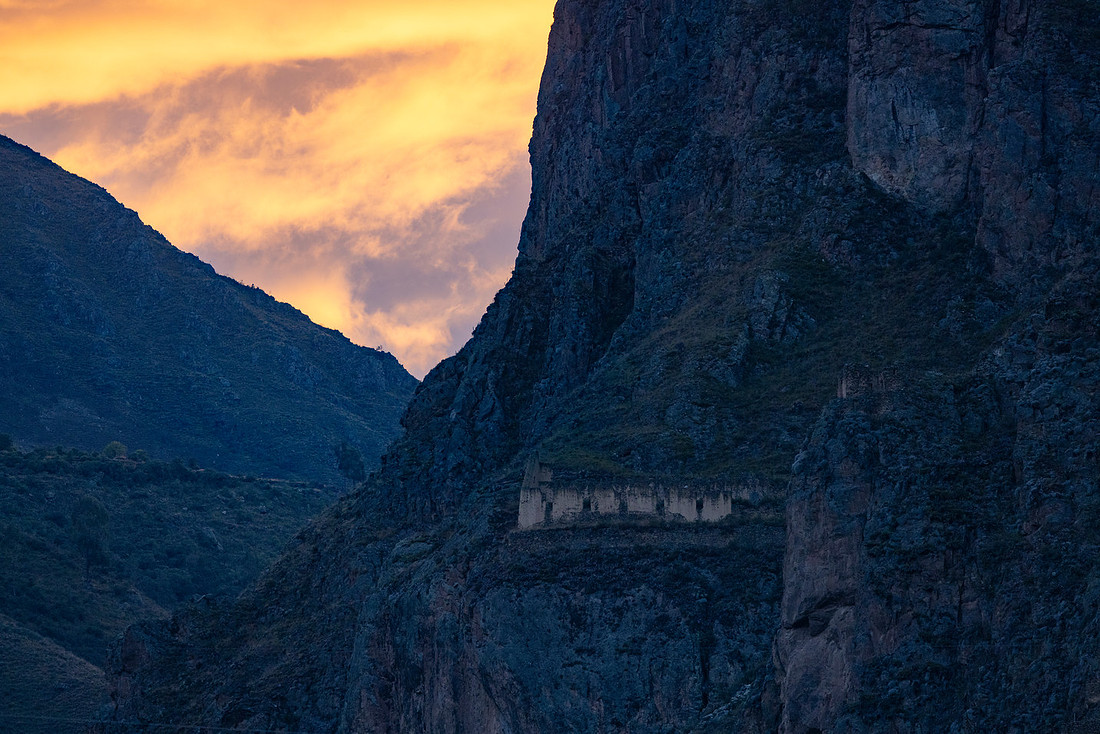
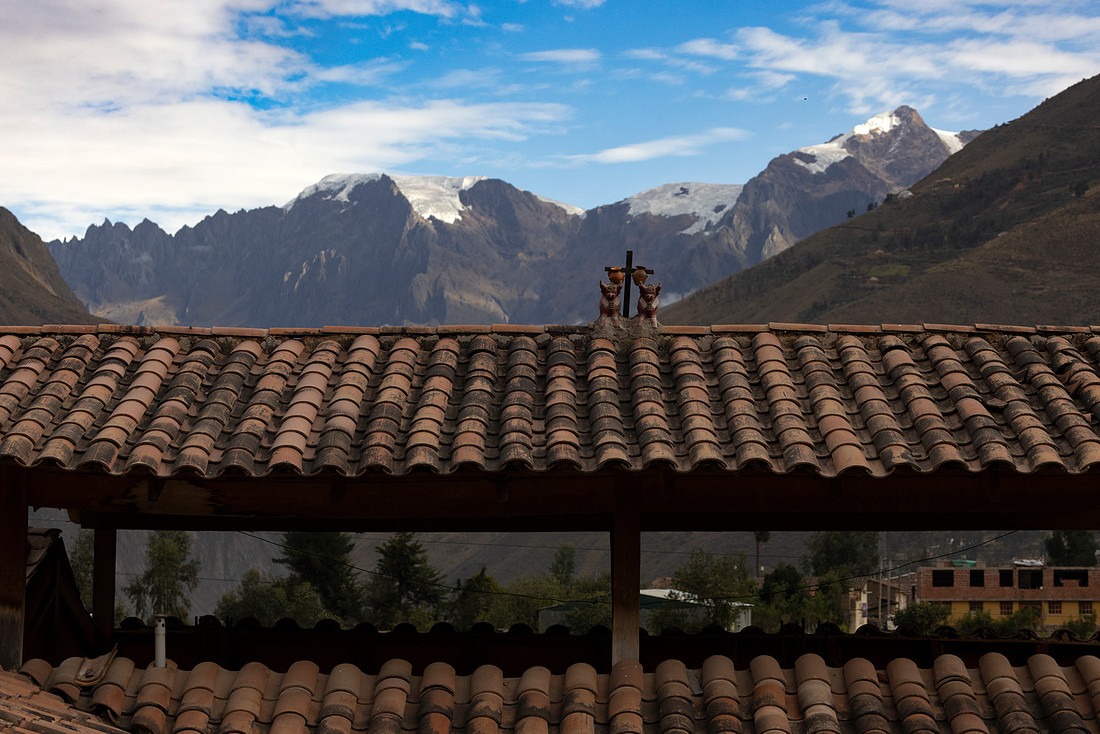
We packed up our bags and headed to explore the Inca site at Ollantaytambo. One of the highlights of this site is that during the Spanish conquest of Peru, it served as a temporary capital for Manco Inca, leader of the native resistance against the conquistadors. He fortified the town and its approaches in the direction of the former Inca capital of Cusco, which had fallen under Spanish domination.
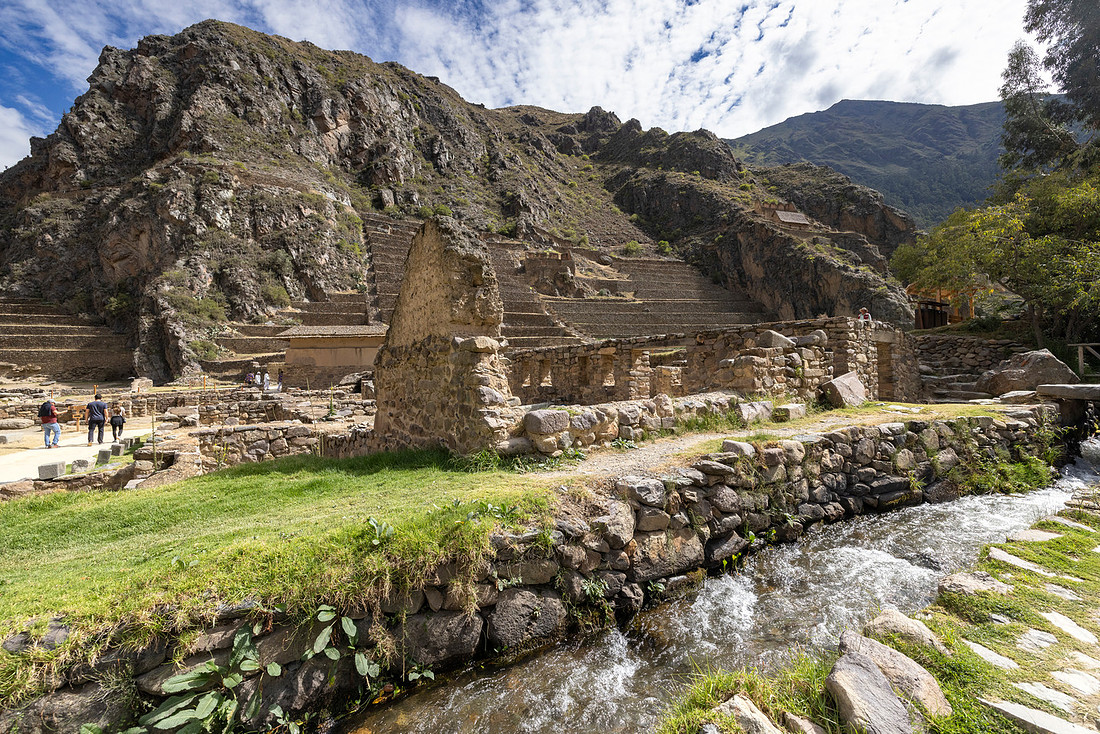
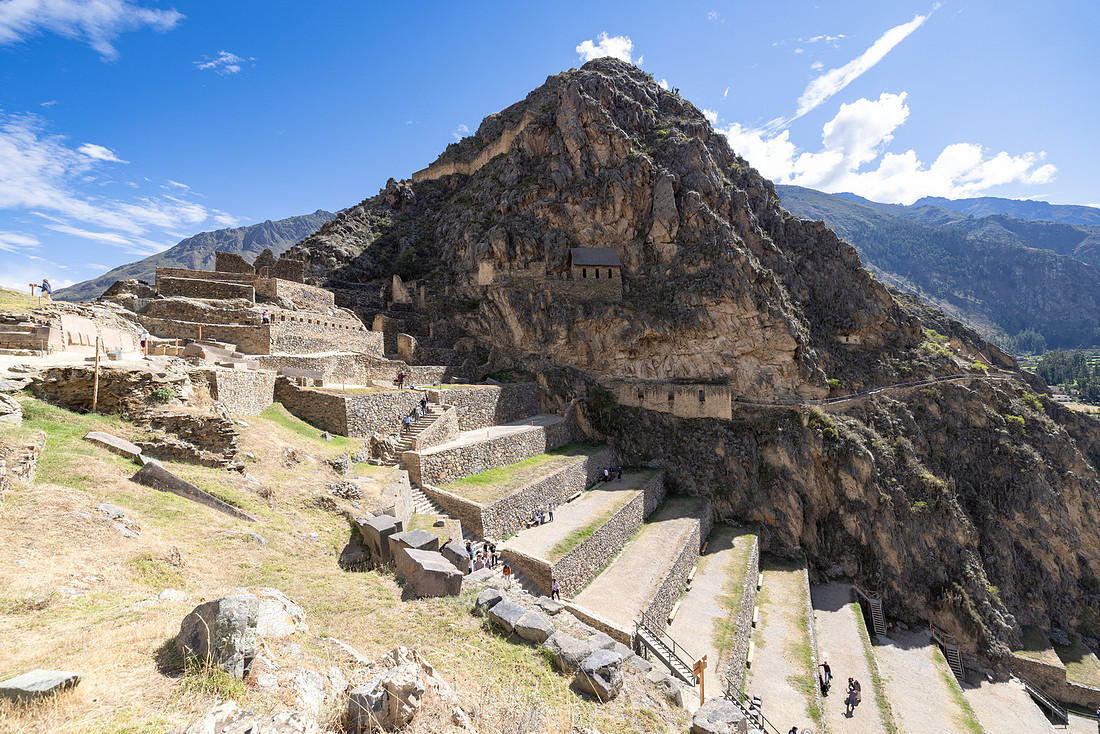
This site also showcases more of the exceptional engineering skills of the Inca. The rocks used to build this site were quarried from about a mile away, on the opposite side of the valley, halfway up the mountain. They had to move them down the mountain, across the river, and back up the other side of the valley, where they were expertly shaped, chiseled, and polished. In some of the larger rocks, they carved indentations to place a metal piece to hold the rocks together as they were stacked, similar to a bowtie inlay in wood working.
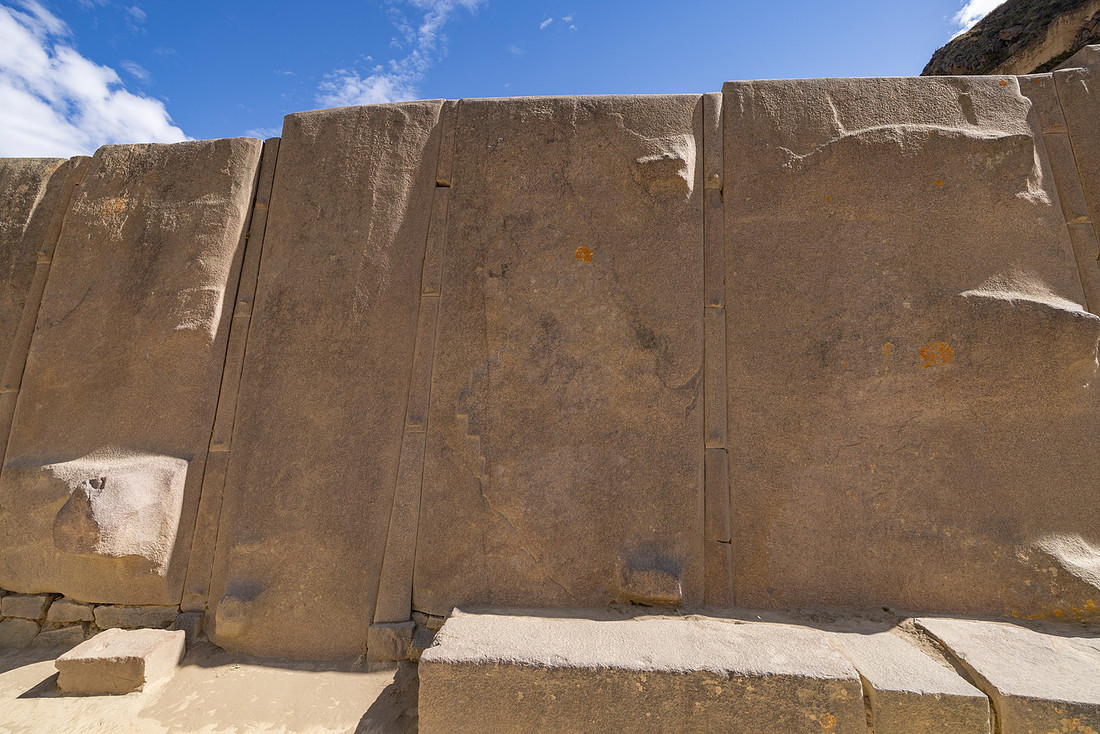
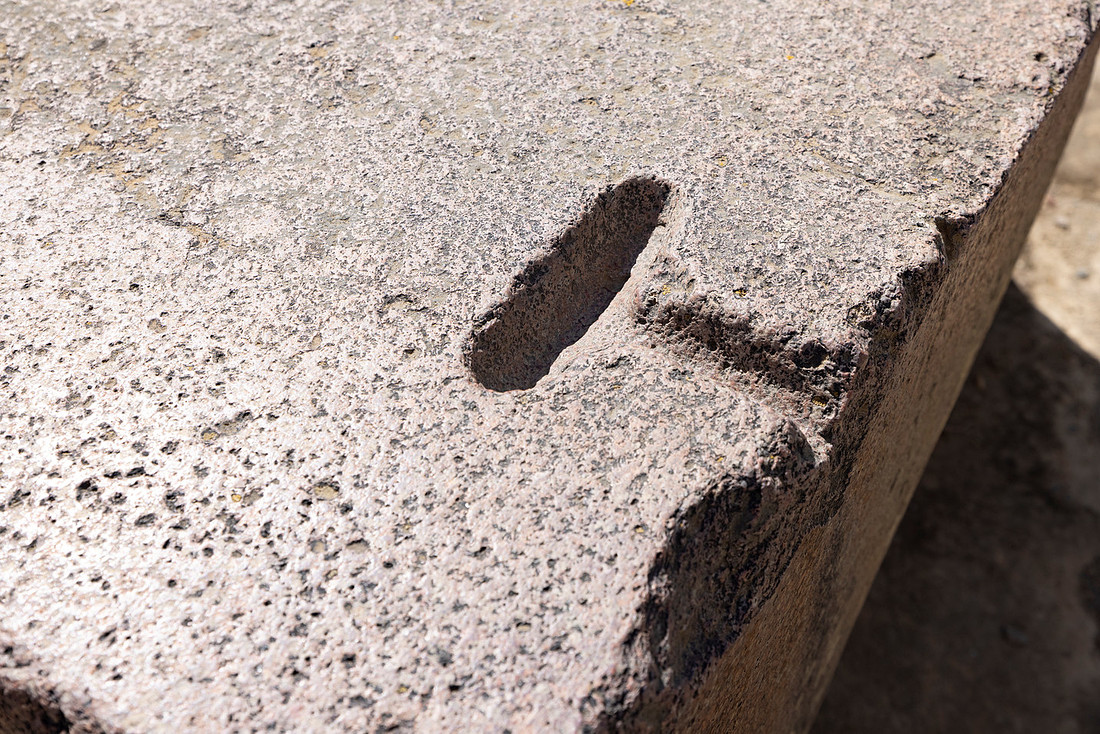
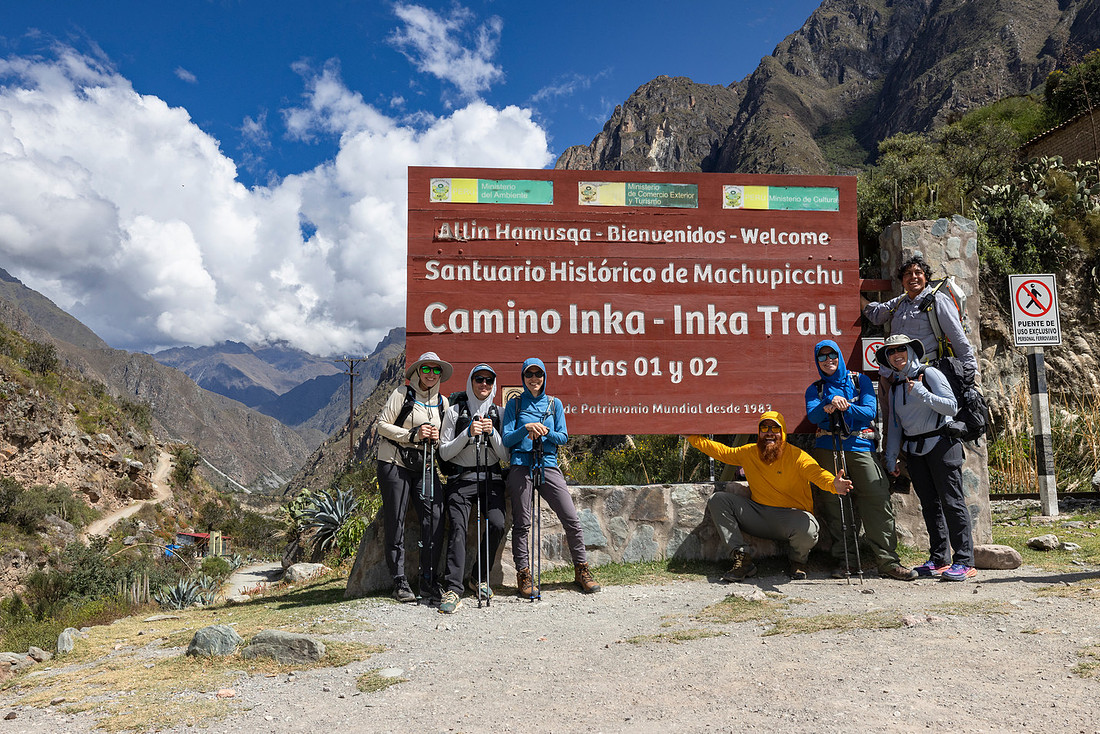
Now that we were primed with all our Inca knowledge, we were ready to start the trail. We handed our extra gear over to the porters and headed to the trailhead.
Inca Trail Day 1: KM 82 to Huayllabamba, ~7 miles, +1,700/ -750’
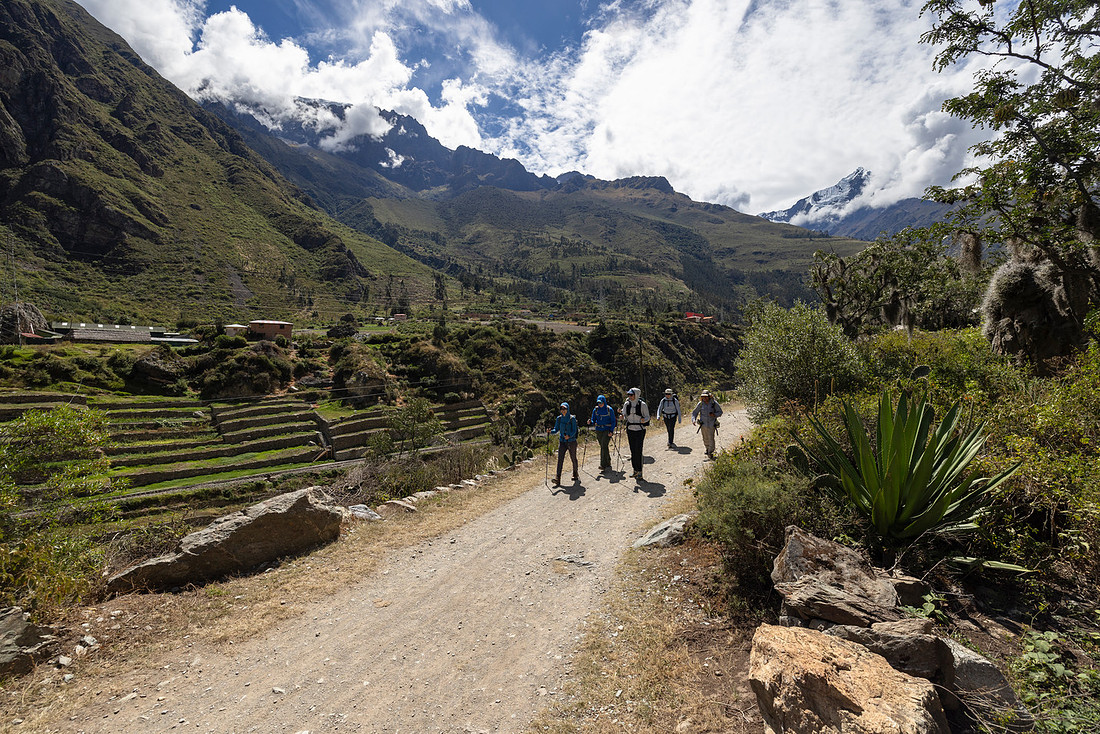
About halfway through the day's hike, we came across the first of the many sites we would see along the route to Machu Picchu, Patallacta. This site was burned by Manco Inca Yupanqui, who destroyed a number of settlements along the Inca road system during his retreat from Cusco in 1536 to discourage Spanish pursuit. In part due to these efforts, the Spanish never discovered the Inca Trail to Machu Picchu or any of its settlements.
Yamil mentioned that the route we were hiking was not the shortest, or easiest route to Machu Picchu. It was a route through the mountains that was designed for royals as a route to take as a pilgrimage. The route was designed to be close to the heavens, as it was considered holy to be near the gods.
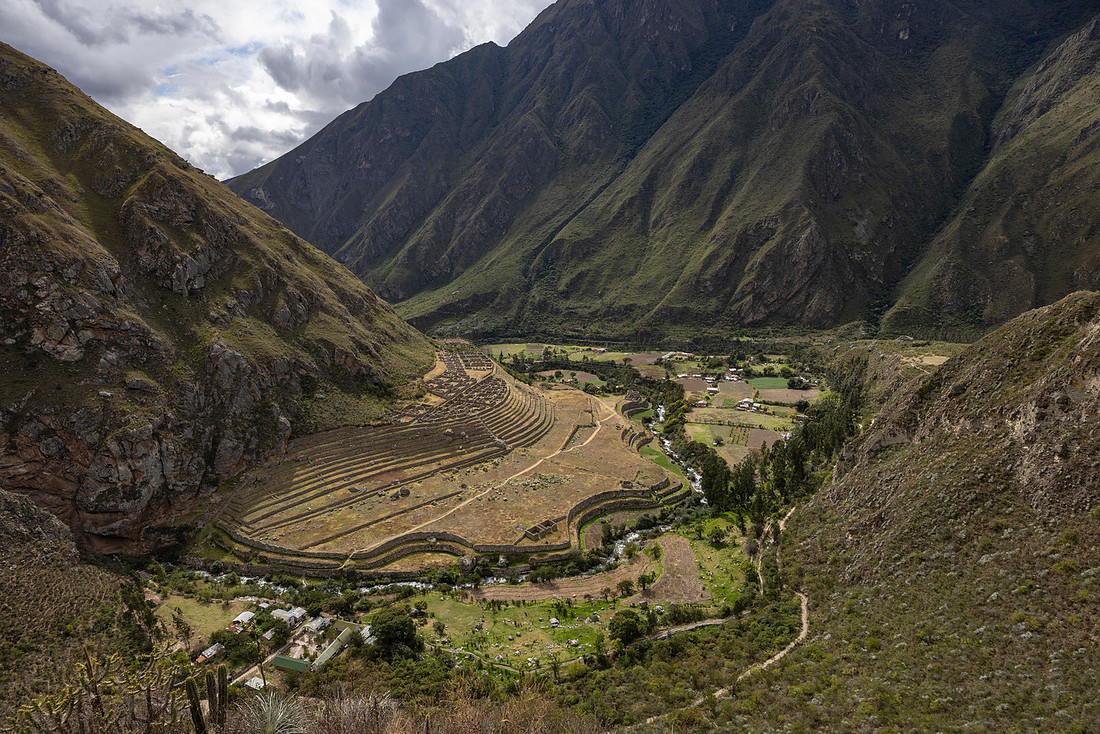
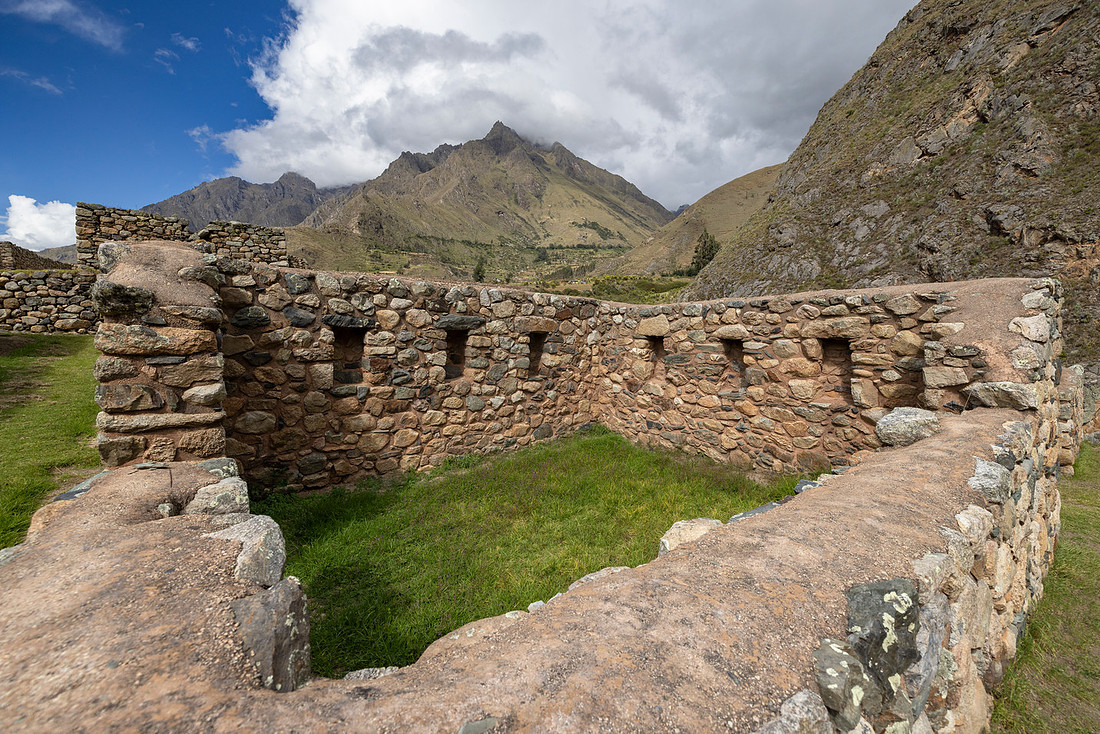
As we slowly climbed out of the valley, we started getting some spectacular views of the surrounding mountains.
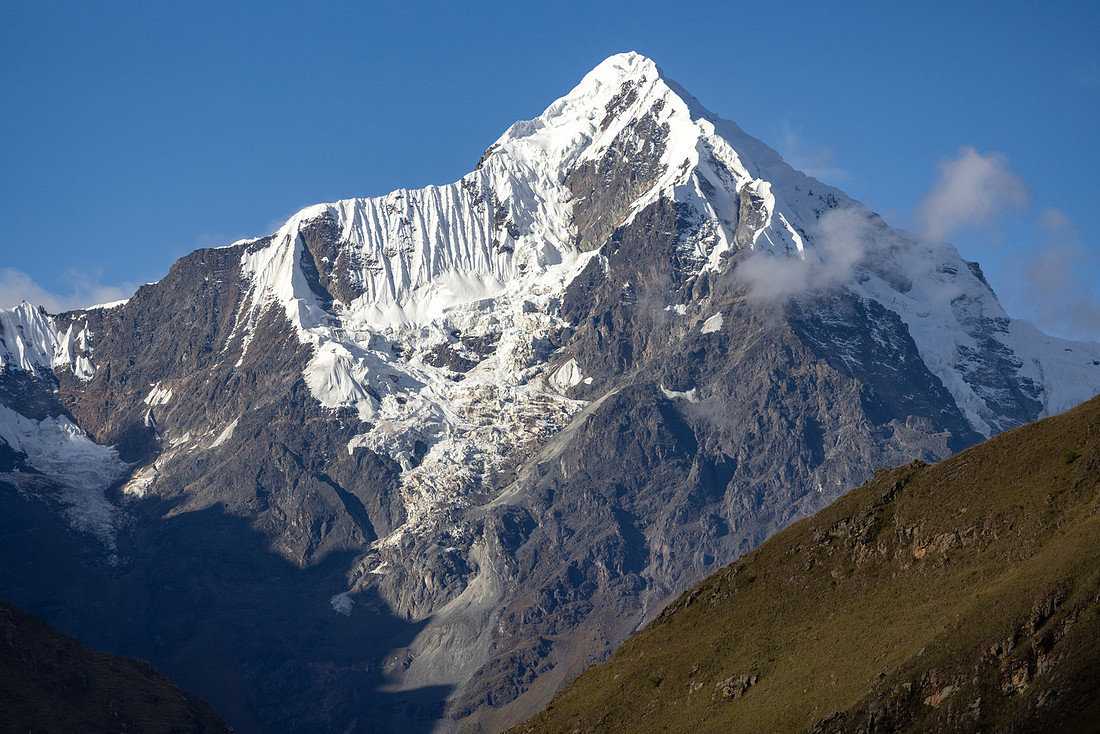
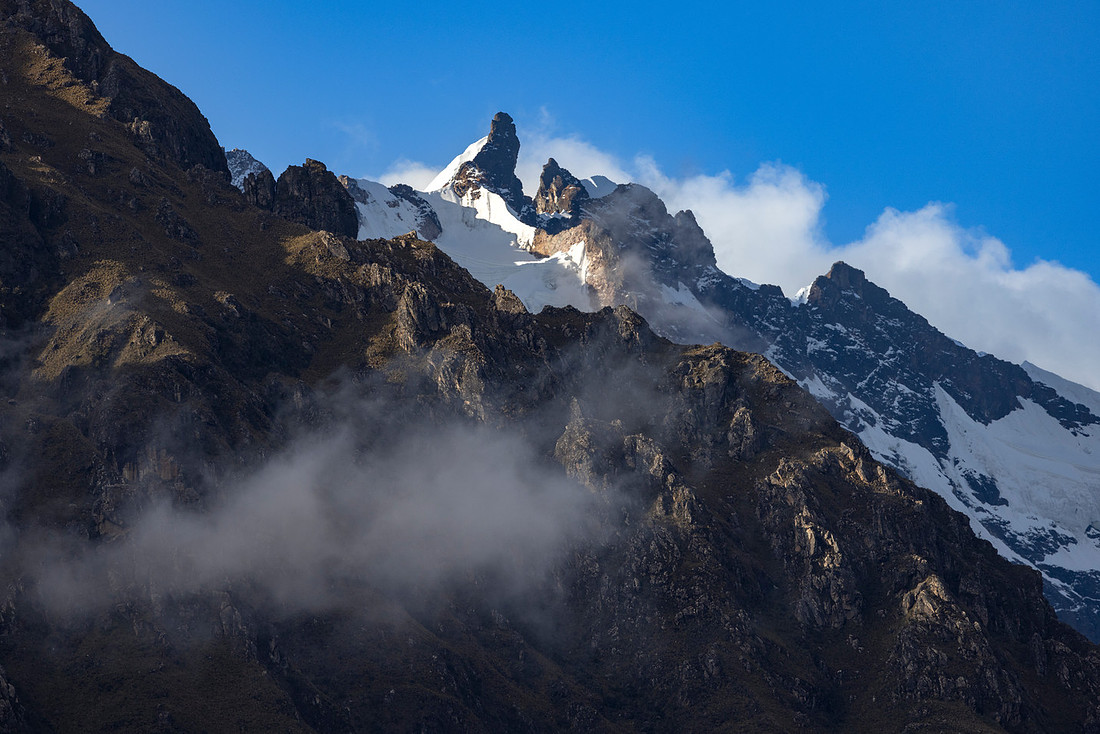
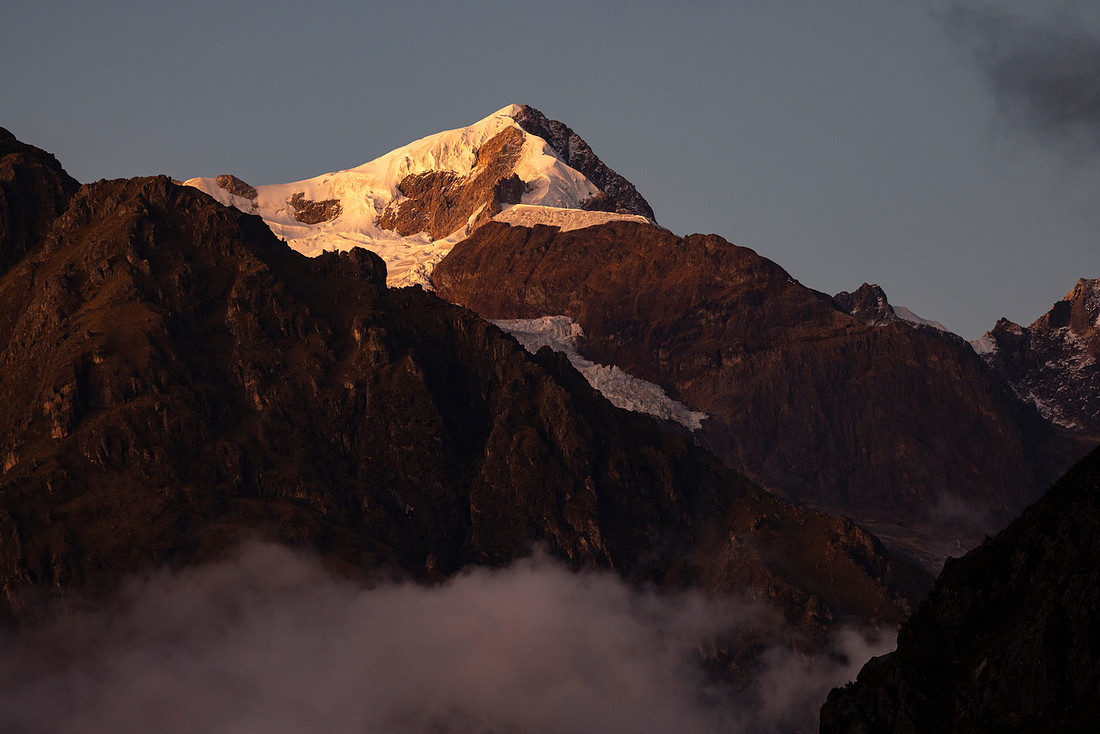
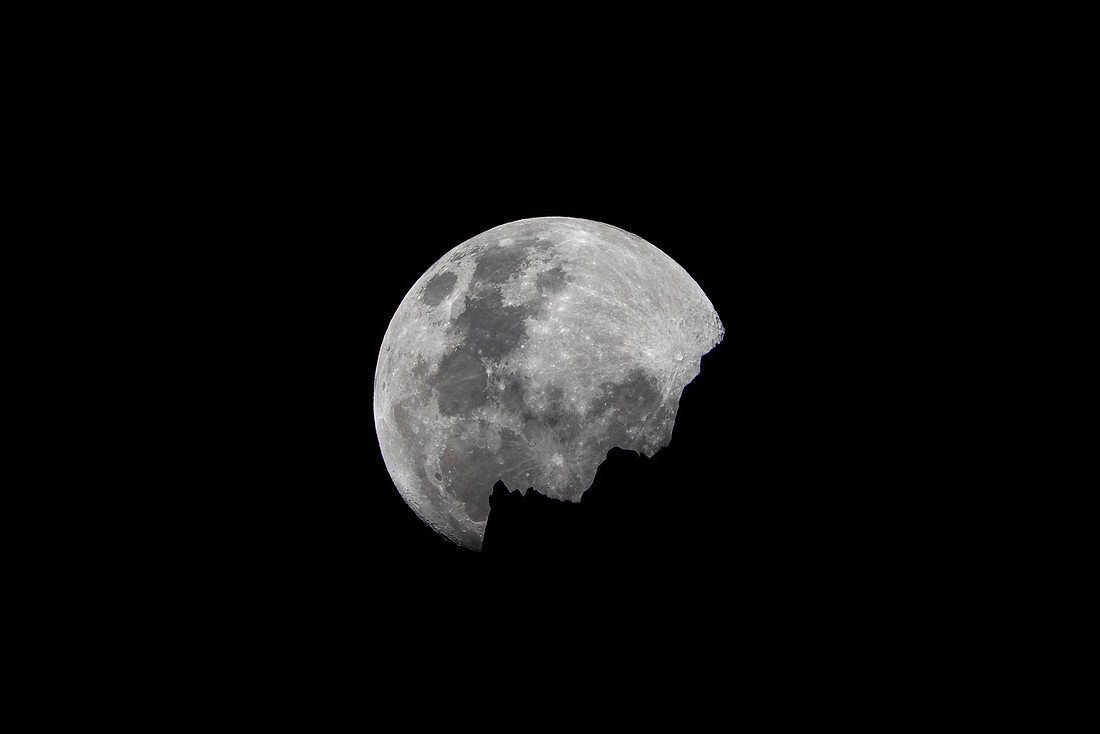
At camp we had dinner and watched the sunset, followed shortly after by a nearly full moon set over the ridge.
Inca Trail Day 2: Huayllabamba to Pacamayo, ~5 miles, +4,200/-2,100’
The following day was the most difficult of the entire hike. We had to climb out of the valley and over Dead Woman Pass. We had a big breakfast and set off for the day. Everyone was feeling good, but Corrie mentioned that her breakfast wasn't sitting well with her. We were worried she may have eaten some food with gluten, but it turns out that she caught a stomach bug. About a third of the way up the pass, she had to pull over and throw up in the bushes. She said she felt much better, but I still took the gear from her pack and we continued up the trail.
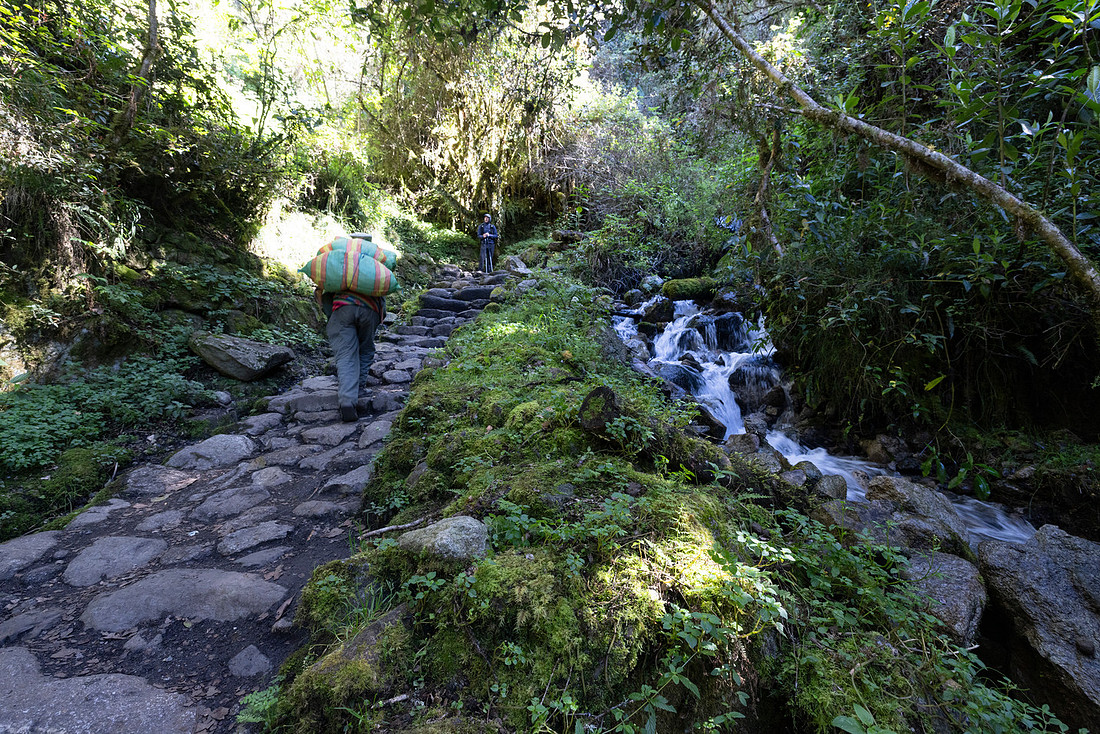
We took our time, stopped frequently, but still made good time. I can't believe how it must have felt doing that section with a stomach bug. Corrie's a beast.
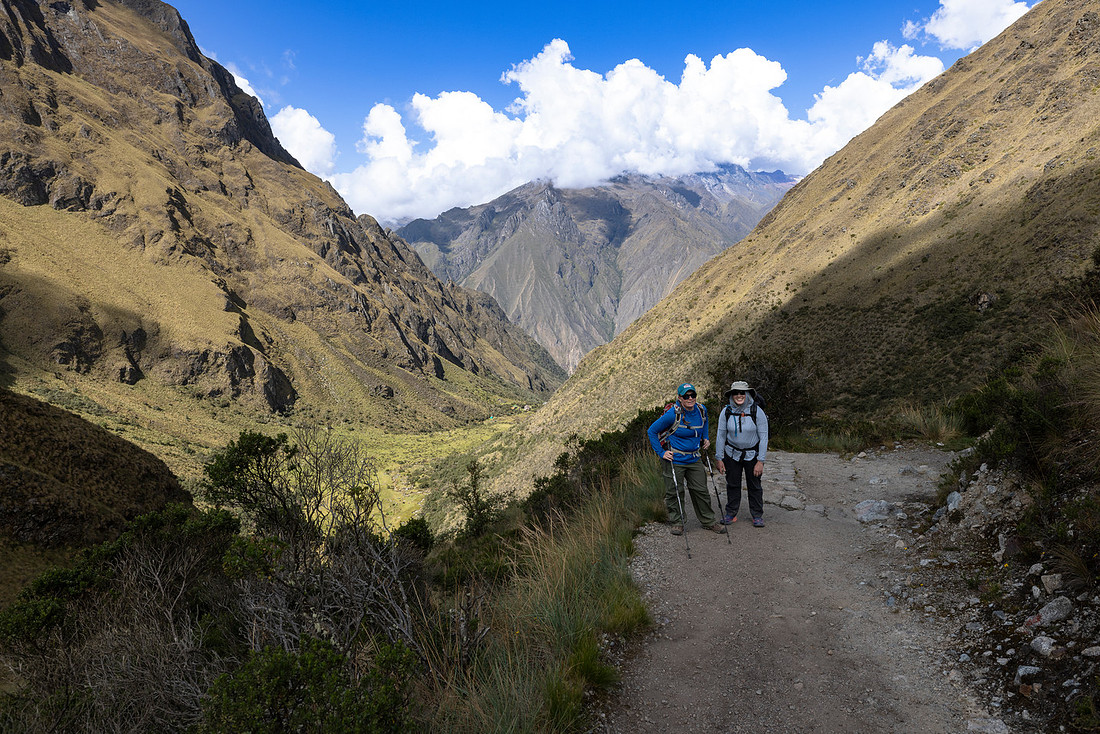
At the pass we hung out and had snacks and watched the clouds blow over the mountains.
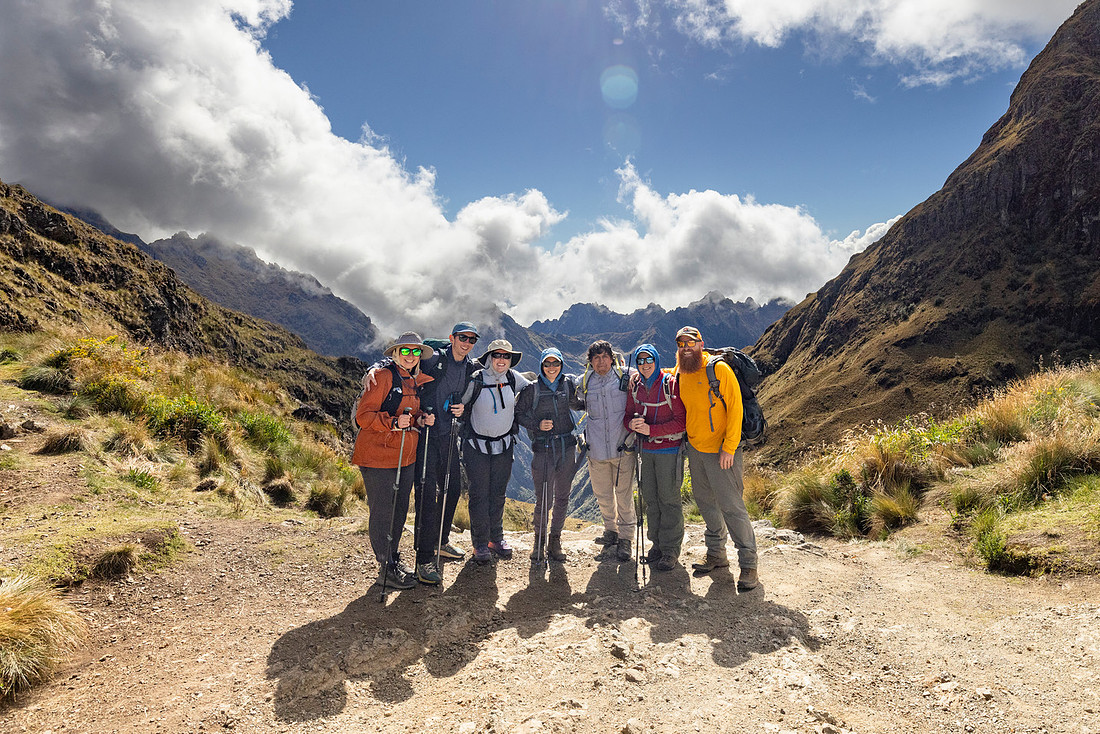
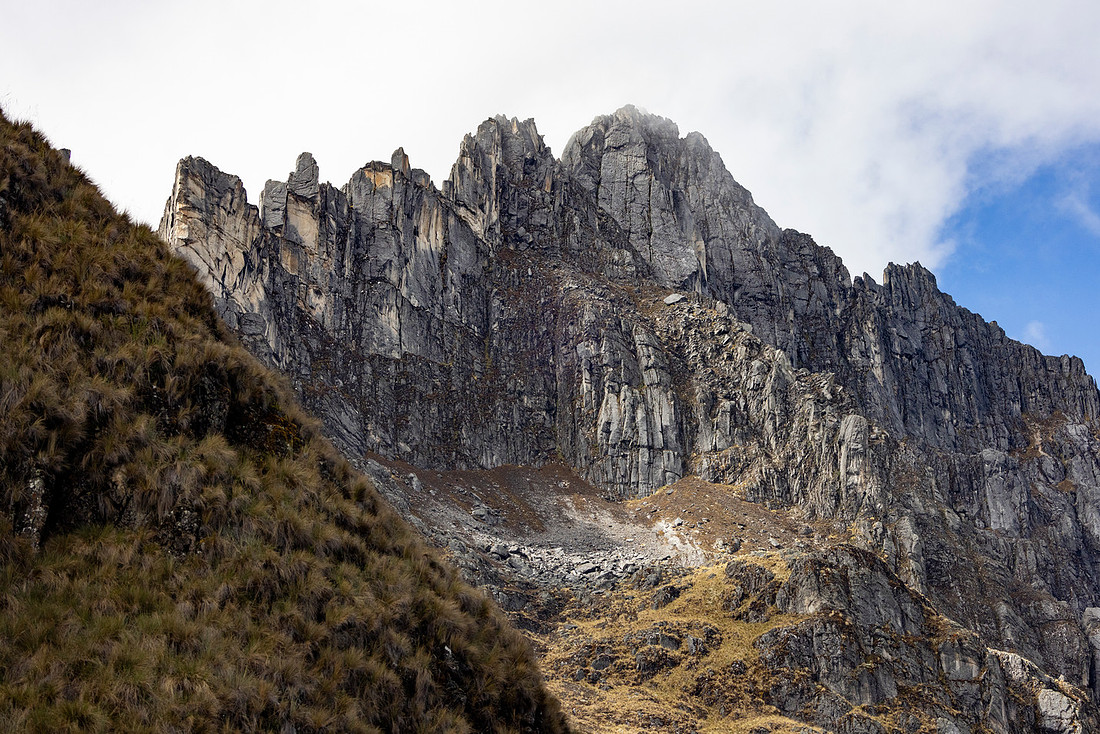
After the steep climb up, the trail ahead looked like a steep climb down to camp.
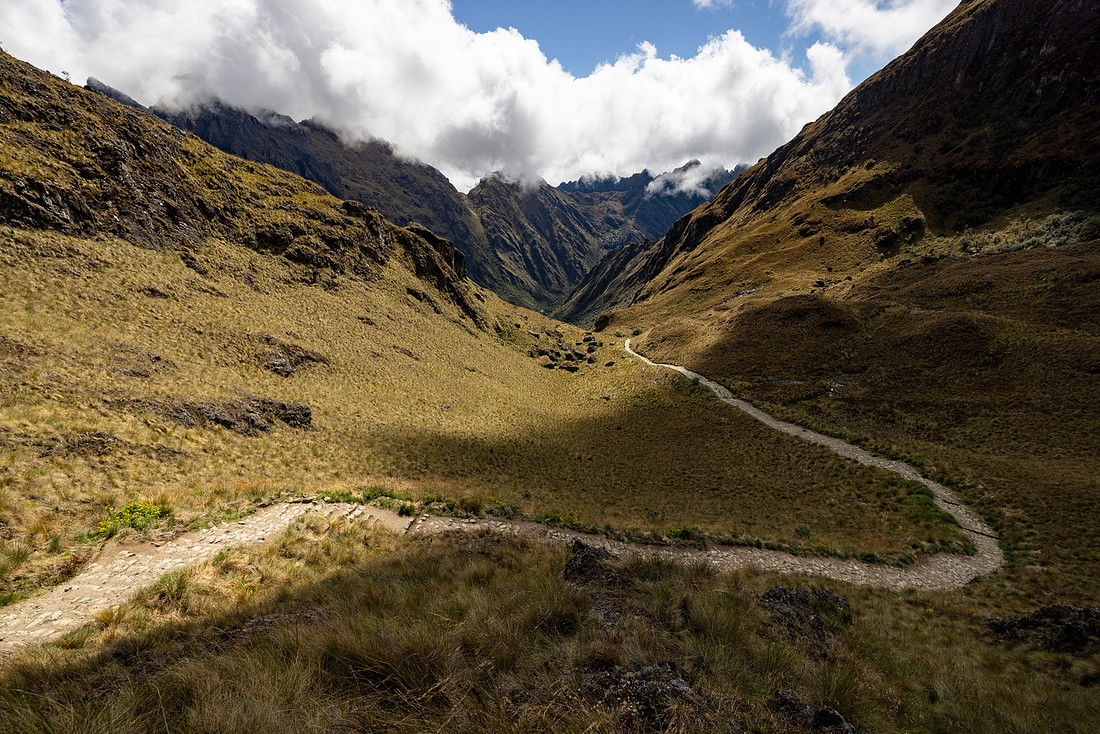
On the way down, looking back, you could see the profile of the "dead woman," the namesake feature for the pass.
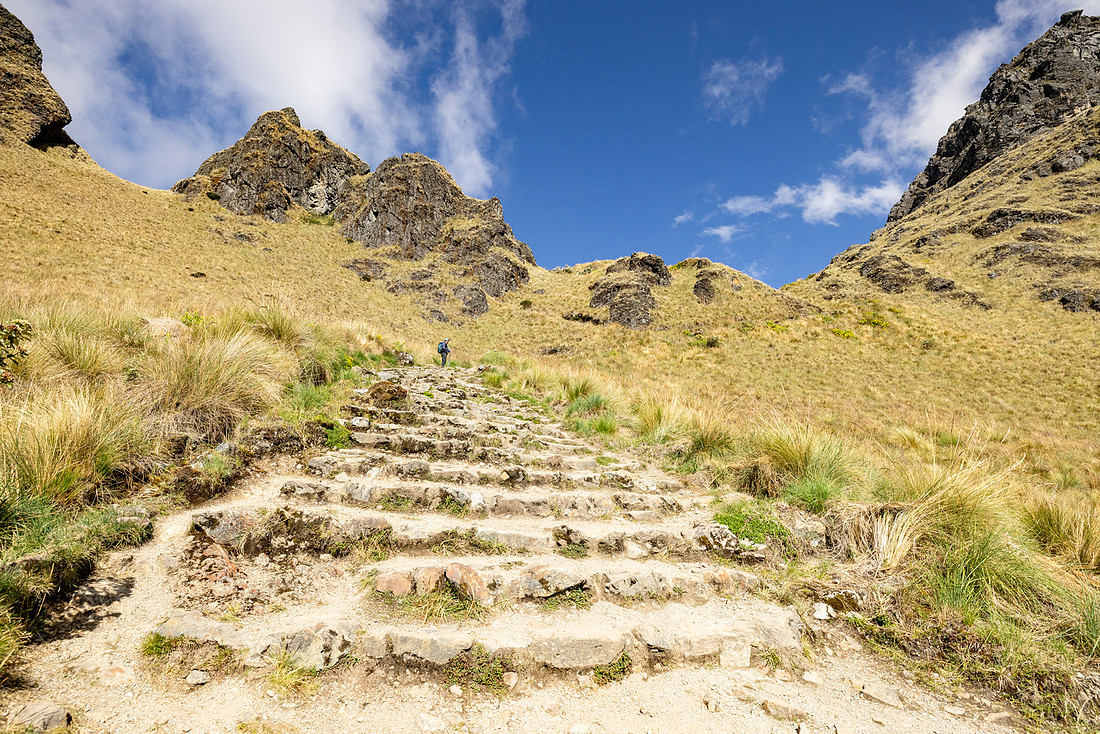
We went down...
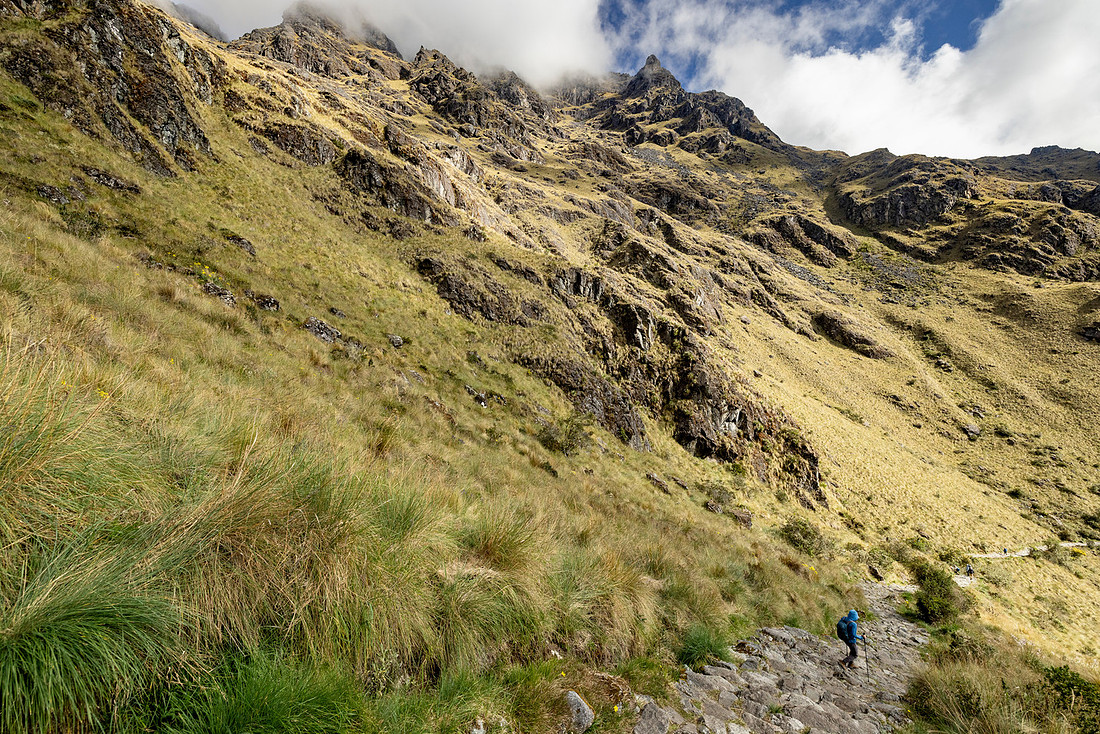
And down...
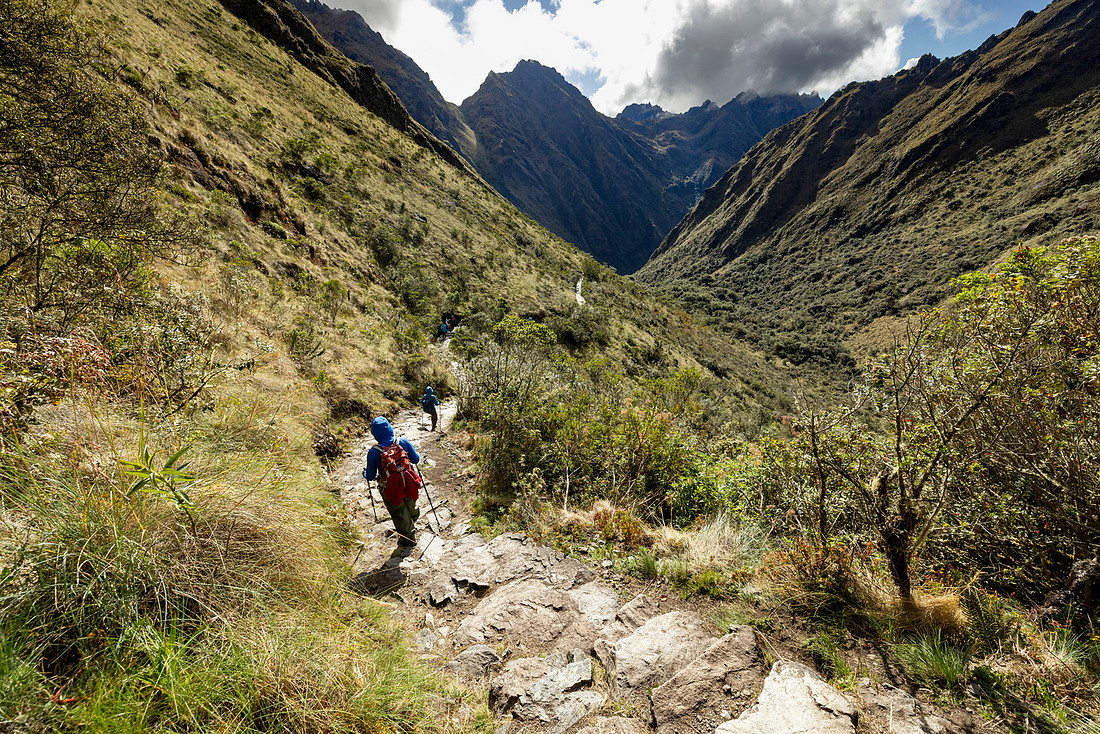
And down some more.
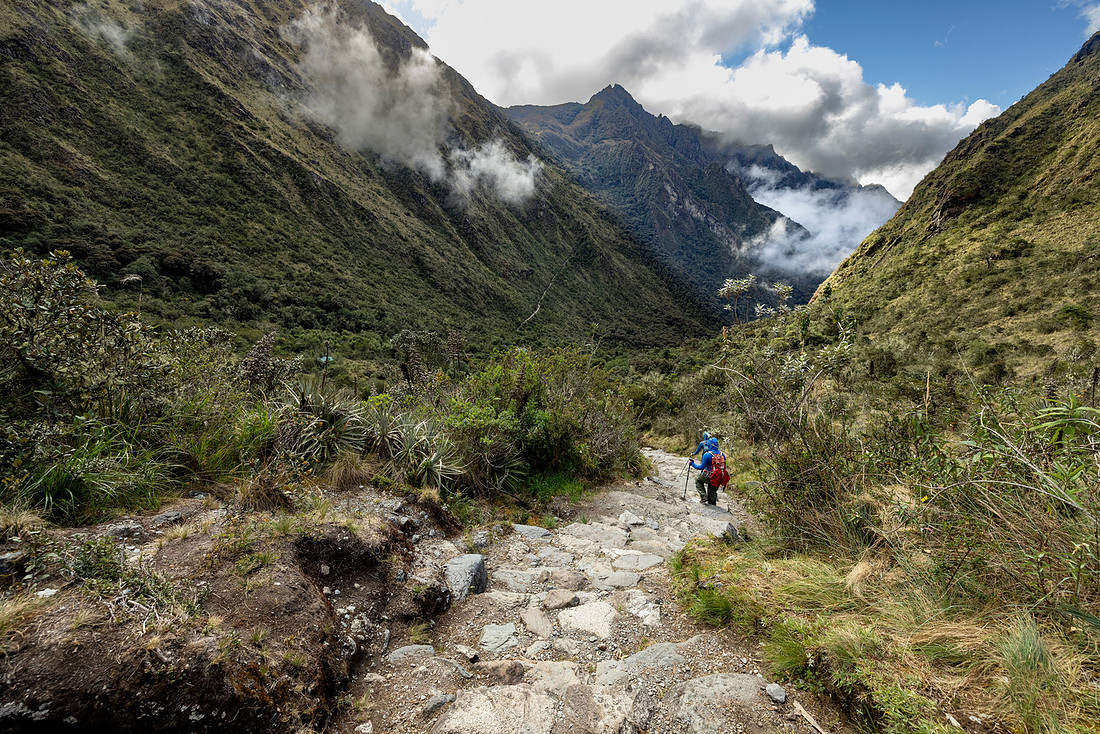
We arrived at camp, had some freshly made popcorn, and grabbed one of the worst showers I've ever had. Not only was it ice cold, but when I turned it on it was a powerful stream of water that hit me right in the plums. It hurt, a lot.
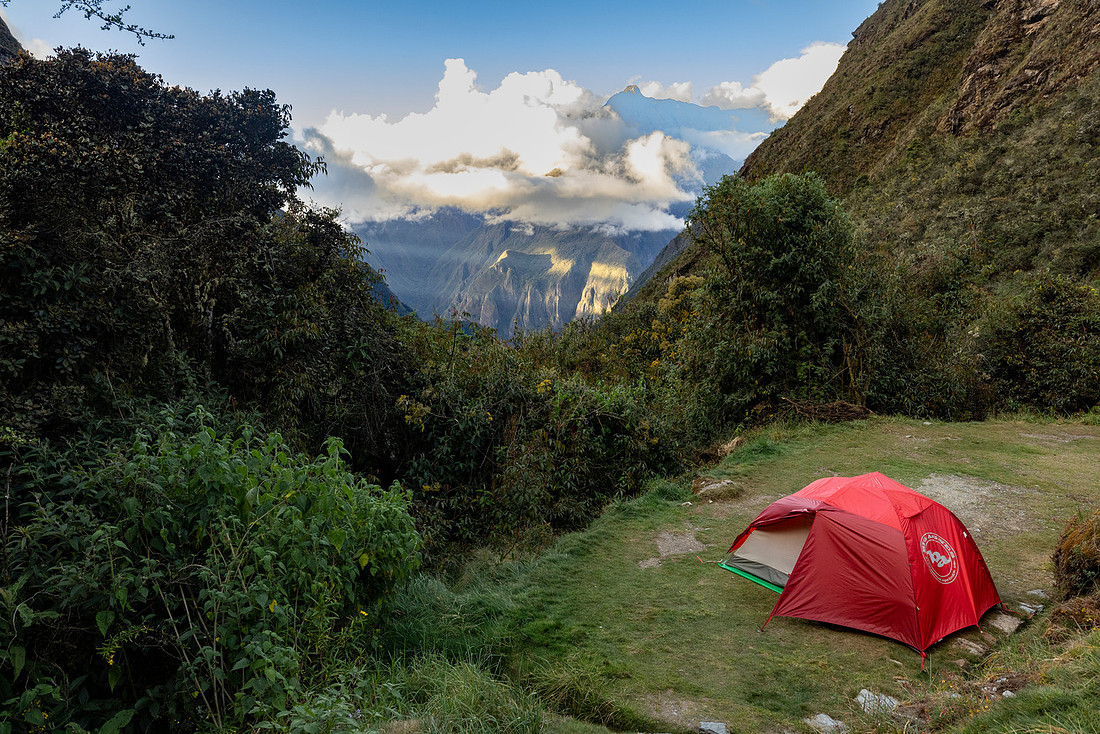
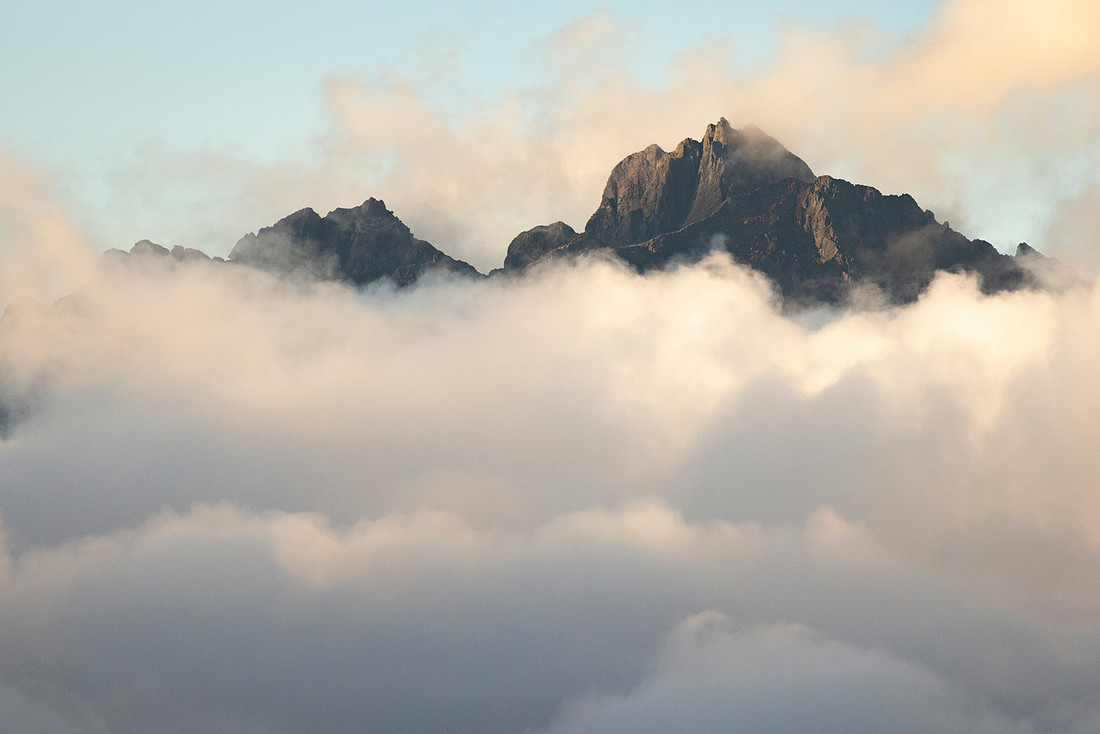
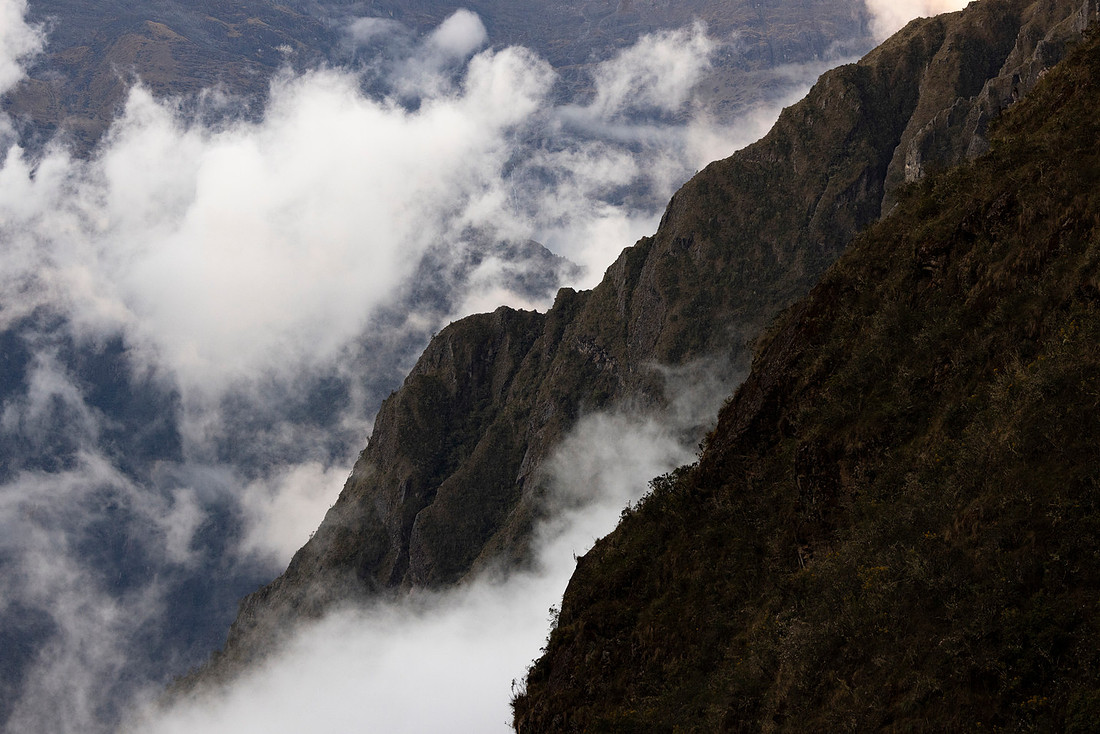
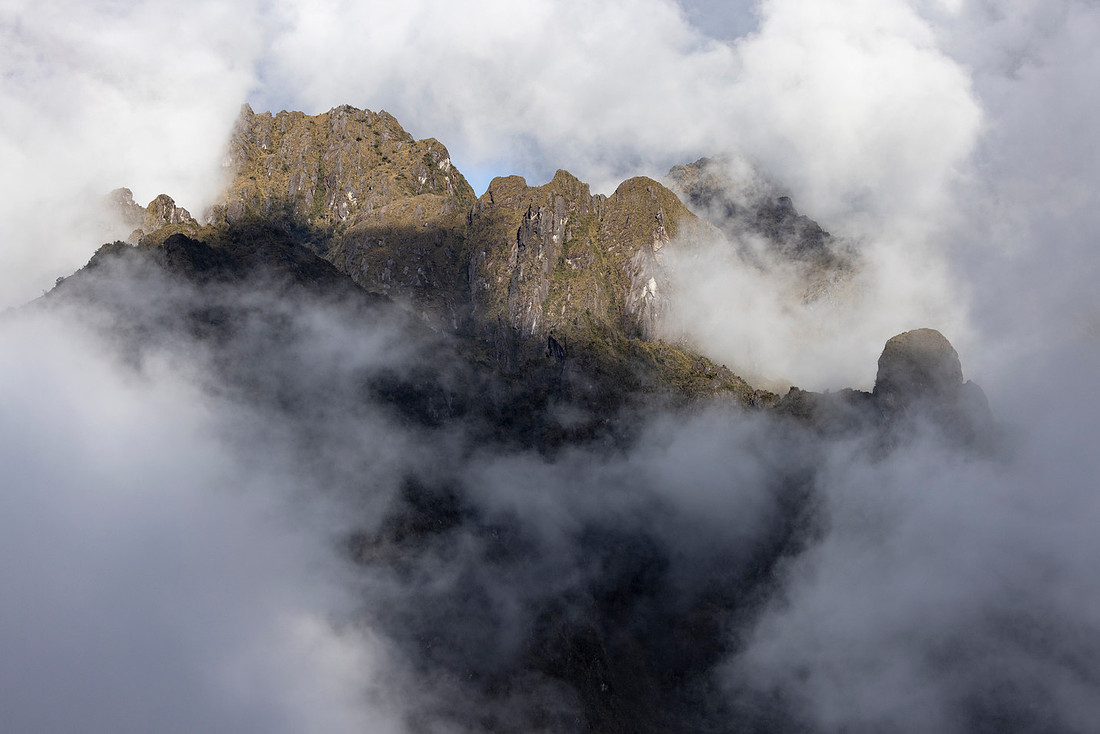
Corrie still wasn't feeling well, so I went for a short walk to check out the area and look for birds. The clouds in the valley were blowing through and it was awesome to the see the peaks and ridges pop out from above.
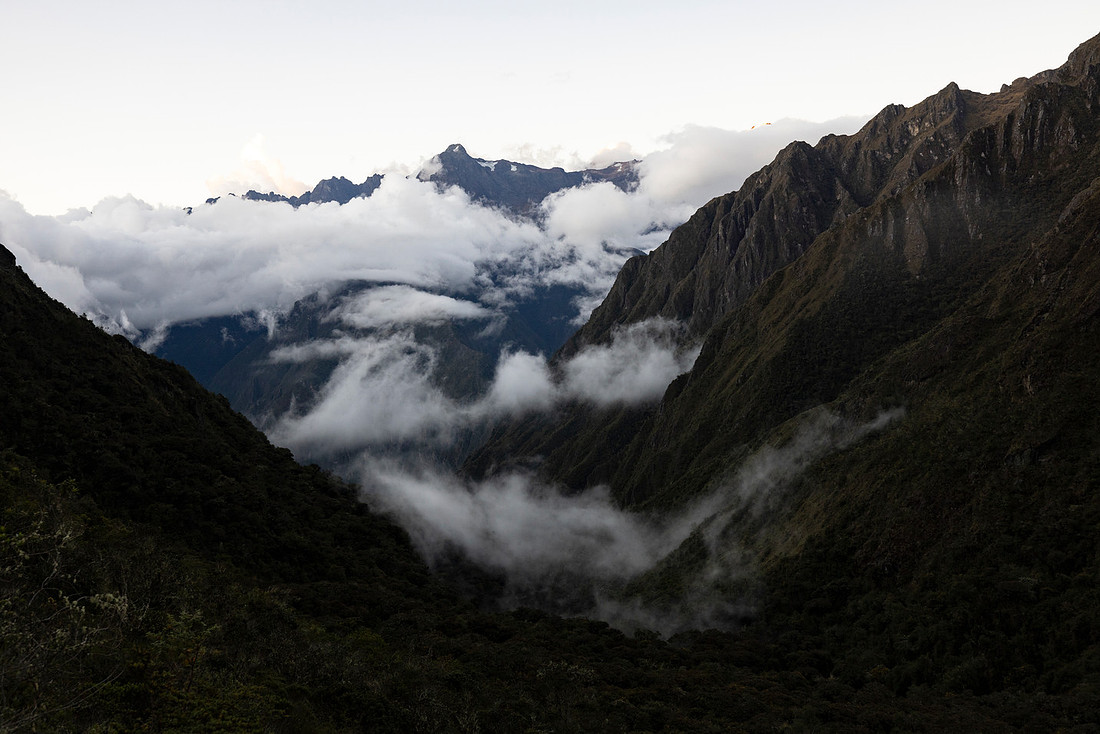
Inca Trail Day 3: Pacamayo to Phuyupatamarca, ~5 miles +1,900/-1,700’
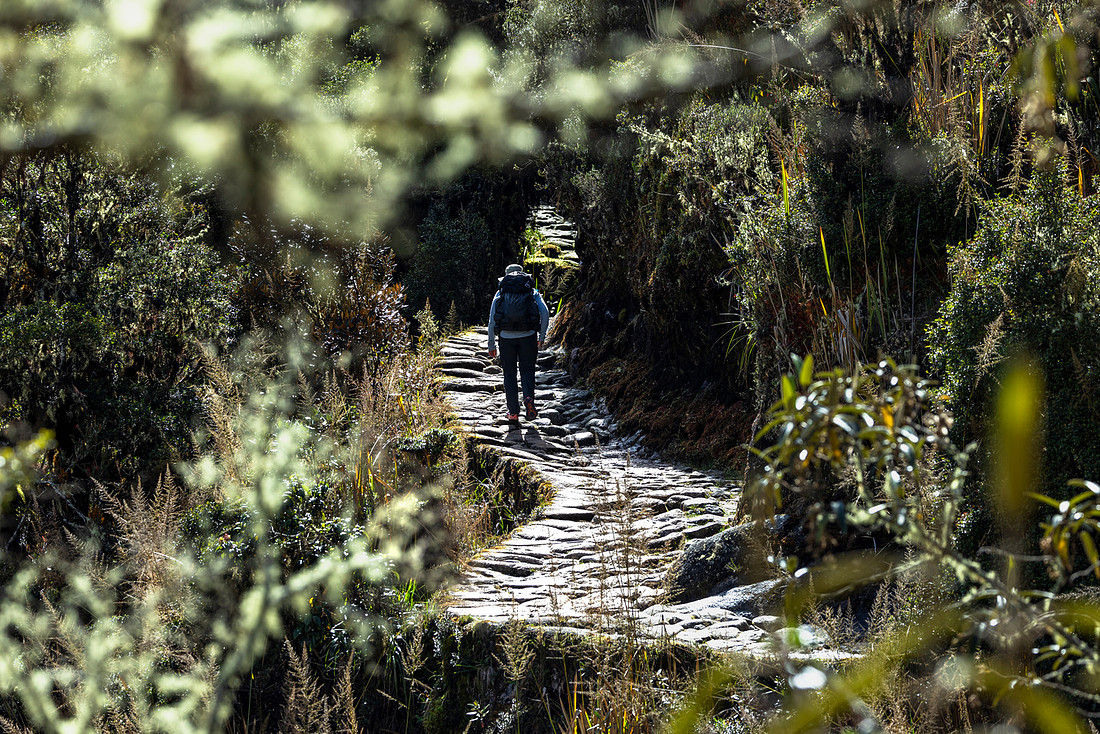
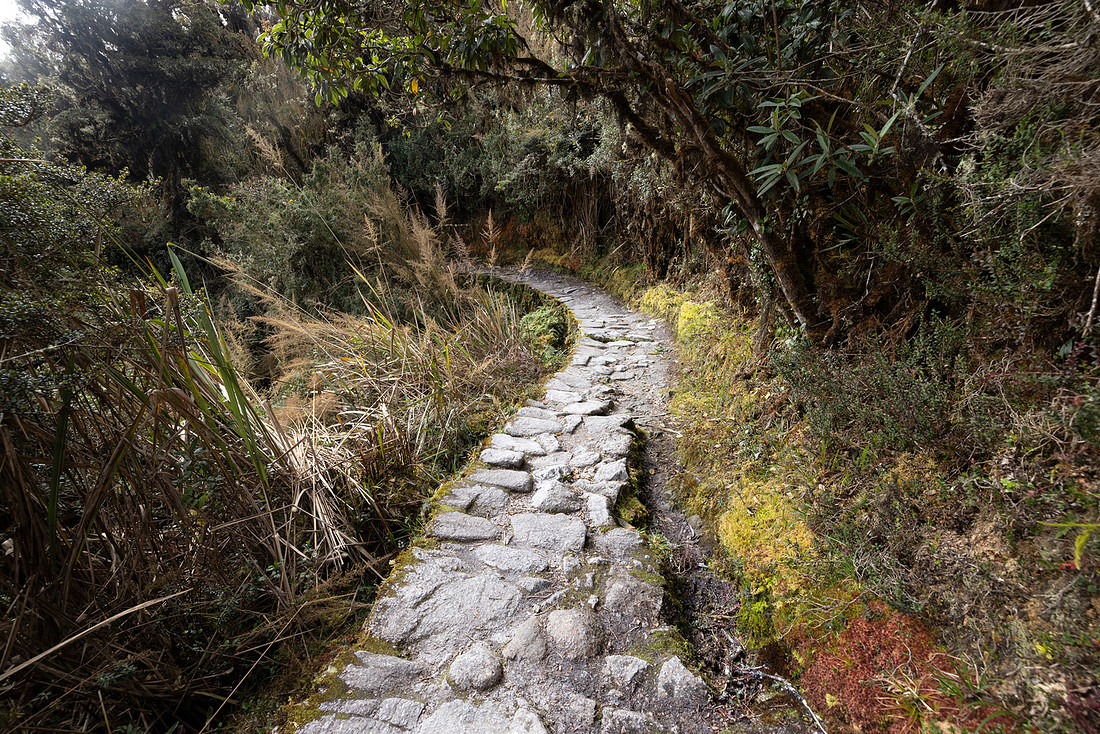
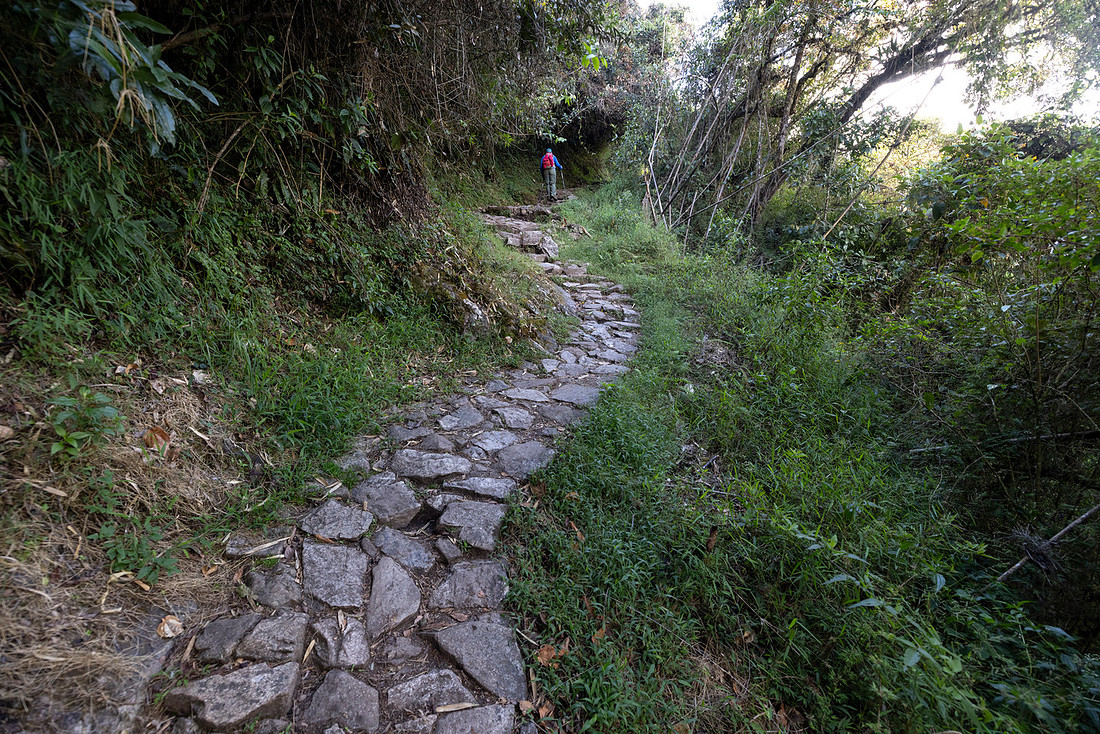
The following morning we woke up early and hit the trail to beat the heat. The trail from this point and beyond was the original trail and the actual stones laid by the Incas. Until this point, the trail was rehabilitated by the Peruvian government sometime in the 1940s. The trail and stonework is simply amazing. It's unbelievable where they were able to put the trail in some places they did and that it has withstood the test of time. In some places it's literally through a jungle. Without maintenance, the trail would become completely grown over in a year.
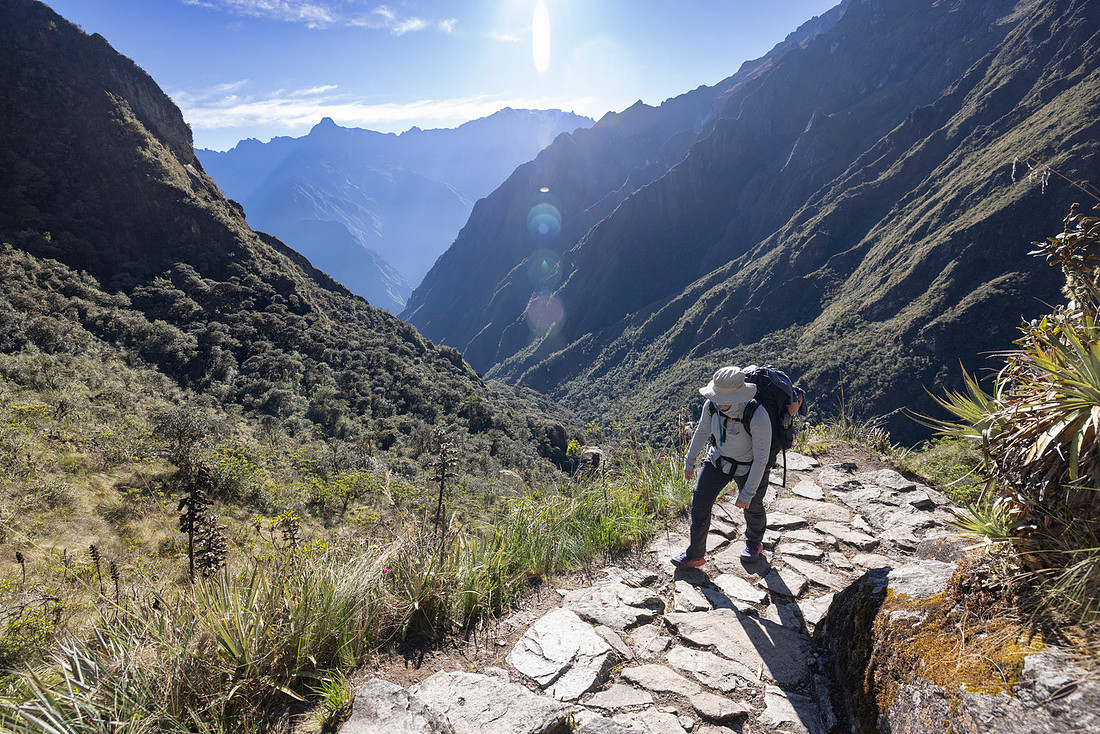
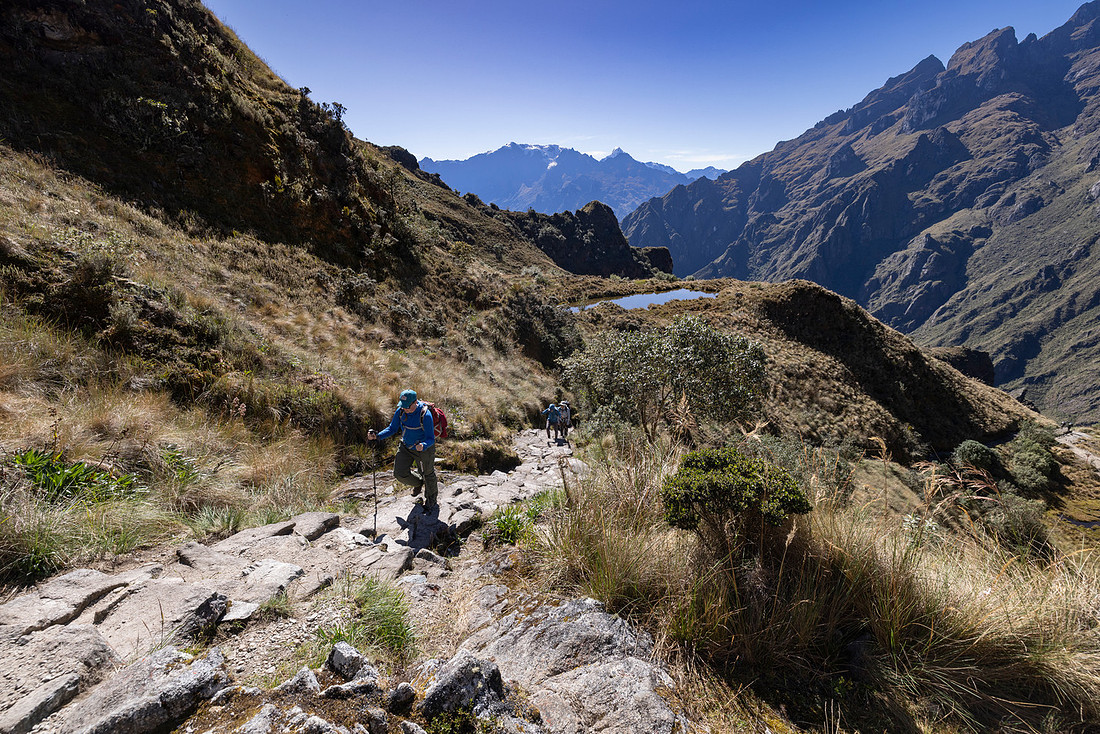
We grabbed second breakfast and enjoyed the views at the pass.
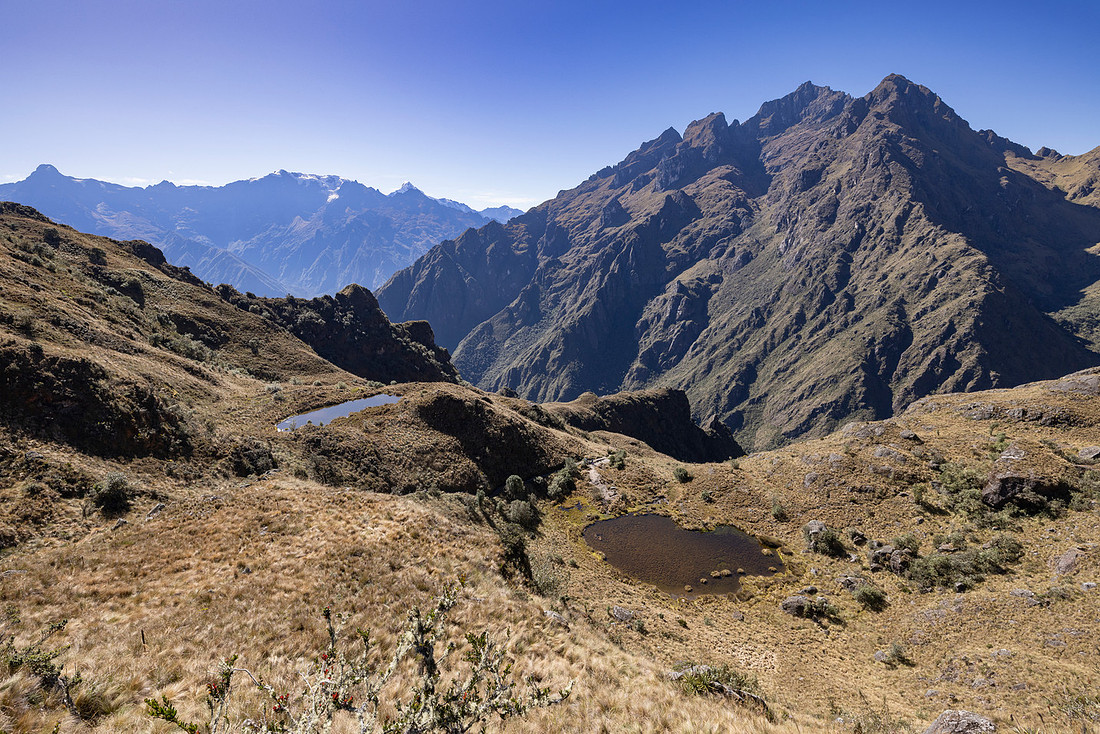
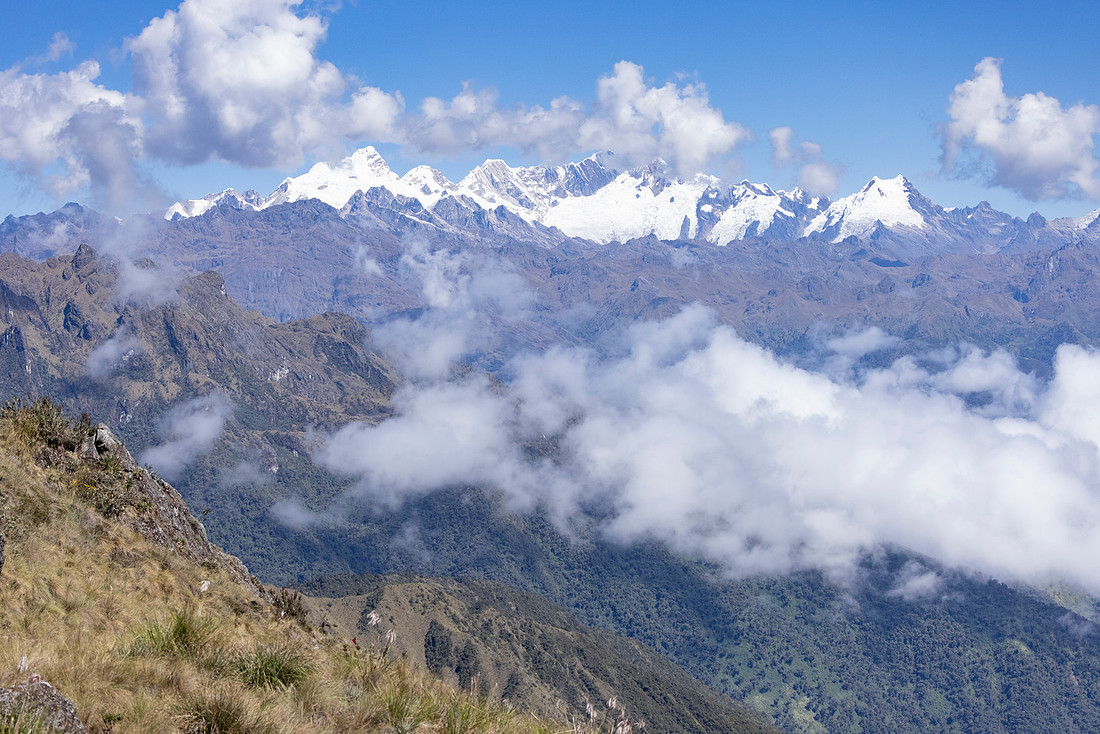
We could see the Vilcabamba Mountains and the cloud forest below.
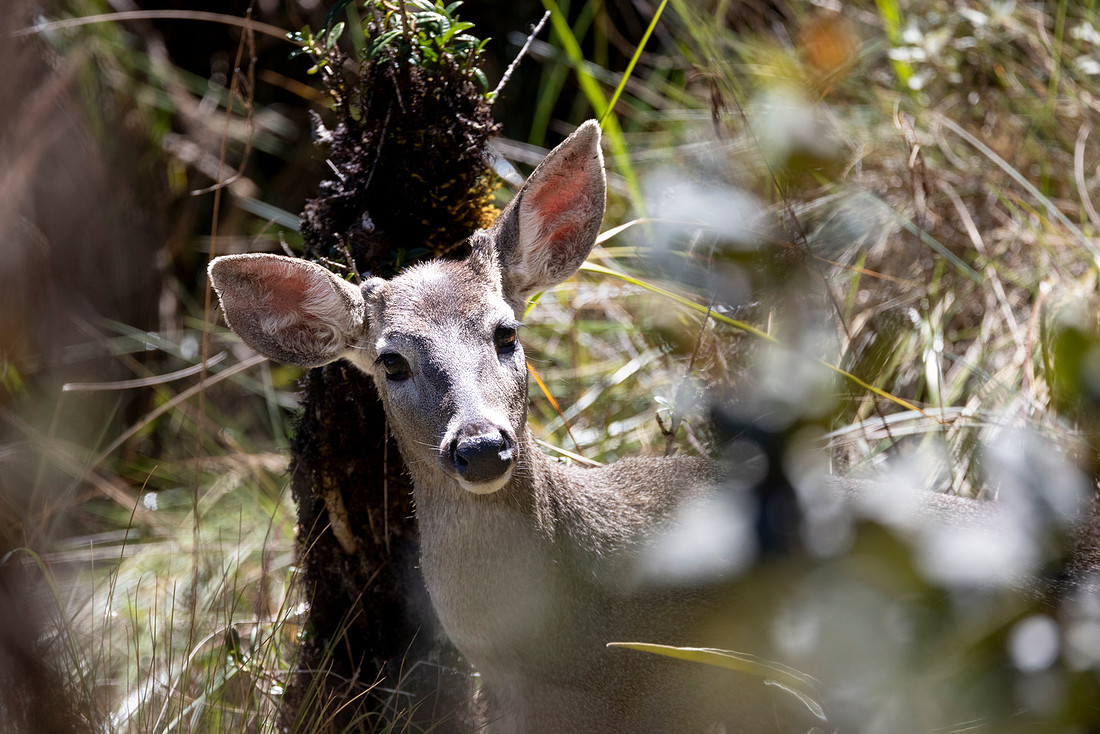
As we dropped off the ridge down into the forest we saw the only mammal of the trip, a little buck feeding in the bushes.
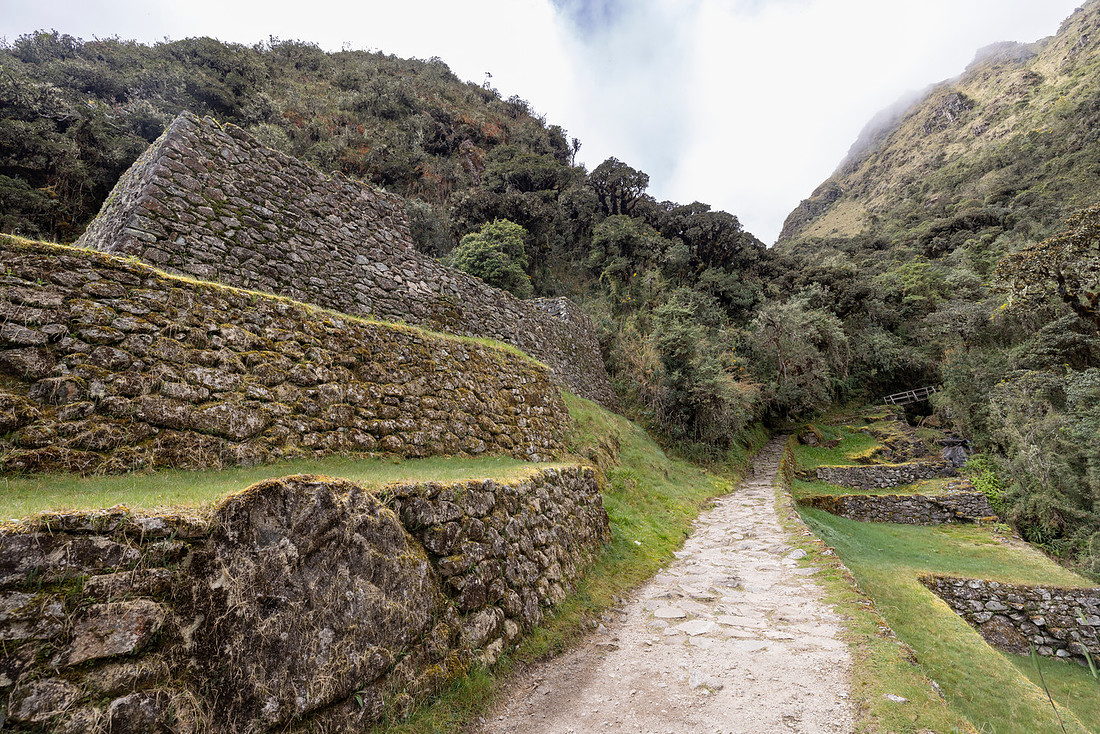
Just before lunch we arrived at Sayacmarca. At the base of the stairs to enter the site, there was another fountain for cleansing.
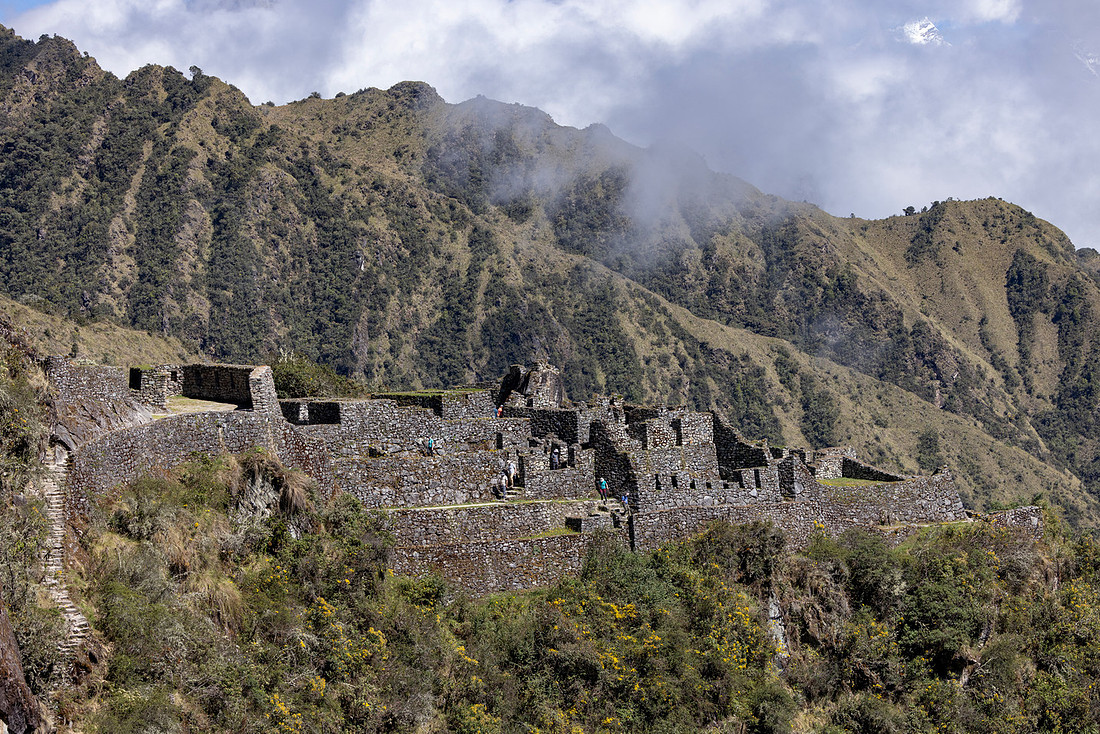
The cool thing about this site, is that it wasn't built near a spring. The engineers of this site built an intricate system of canals that ran along the ridge of the mountains to the site, and through the site.
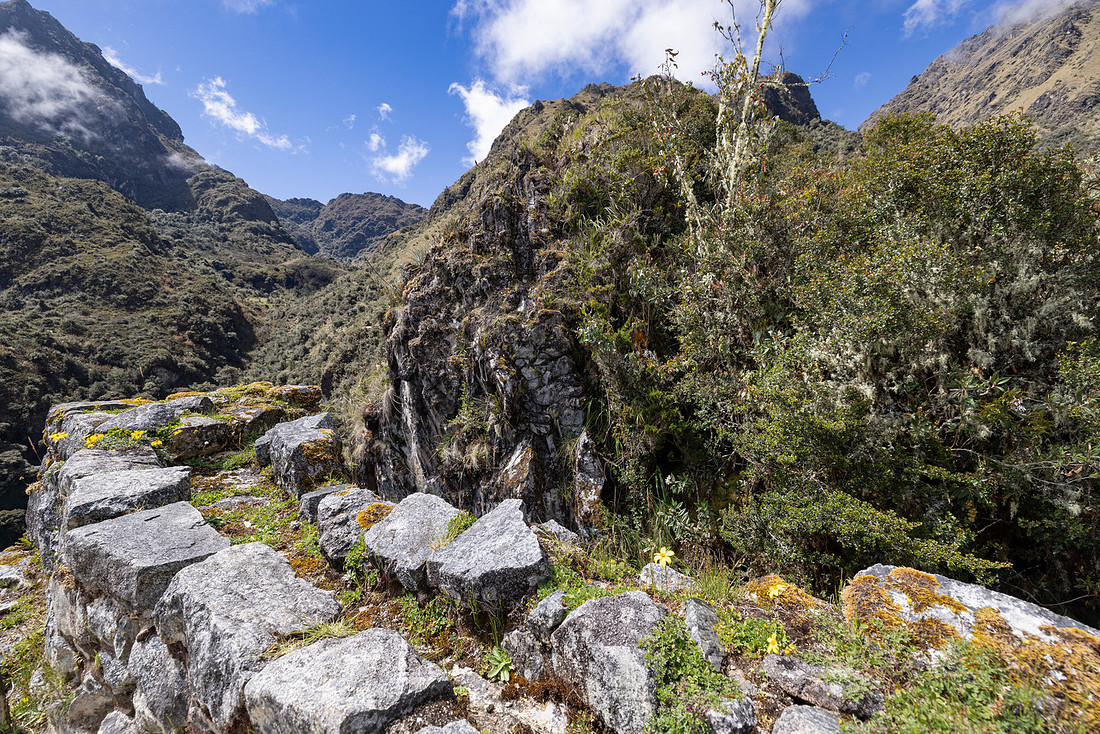
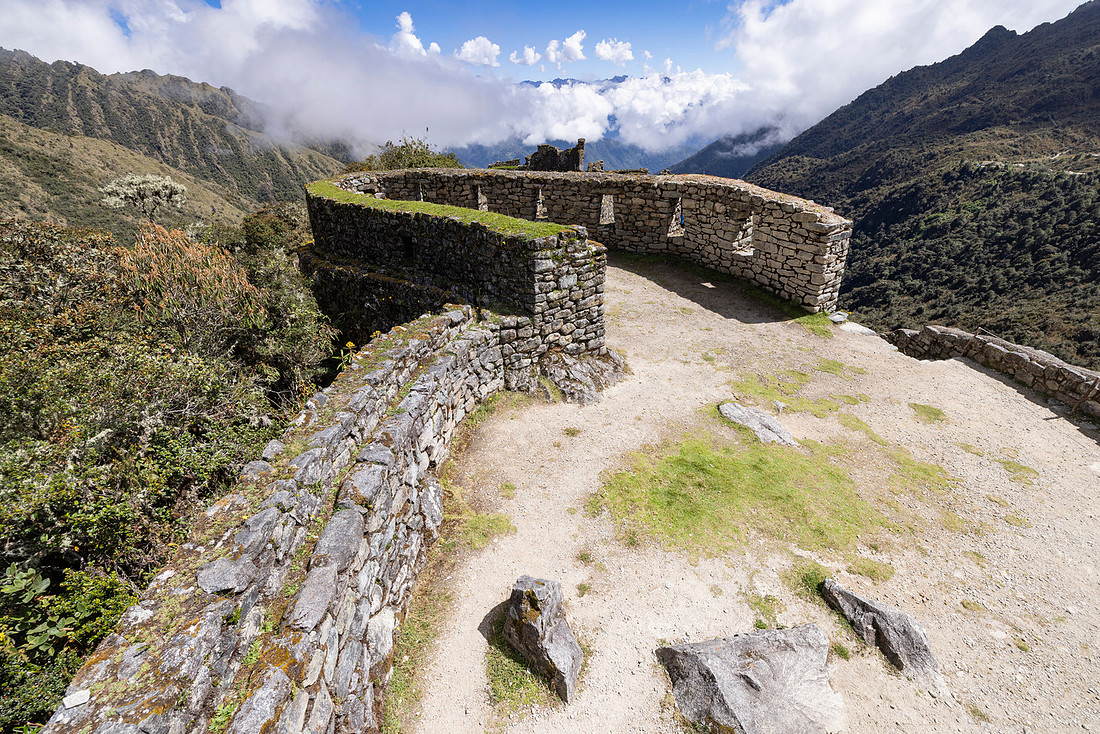
As we explored the site, the clouds rolled in and obscured the surrounding mountains.
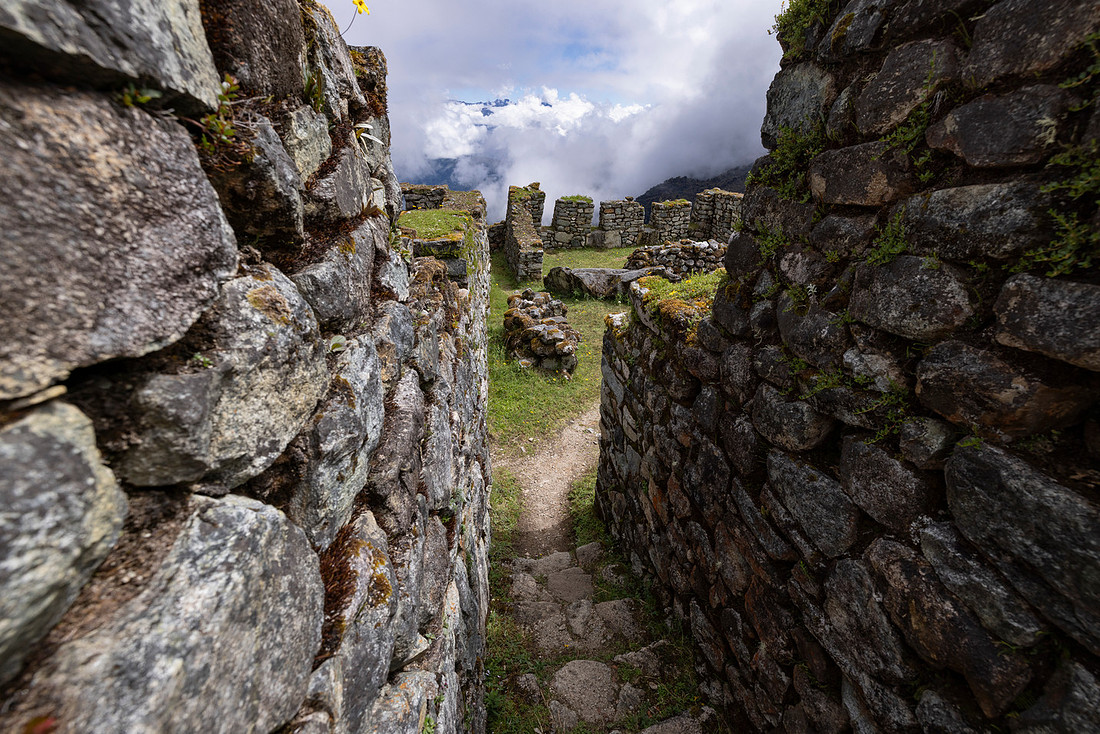
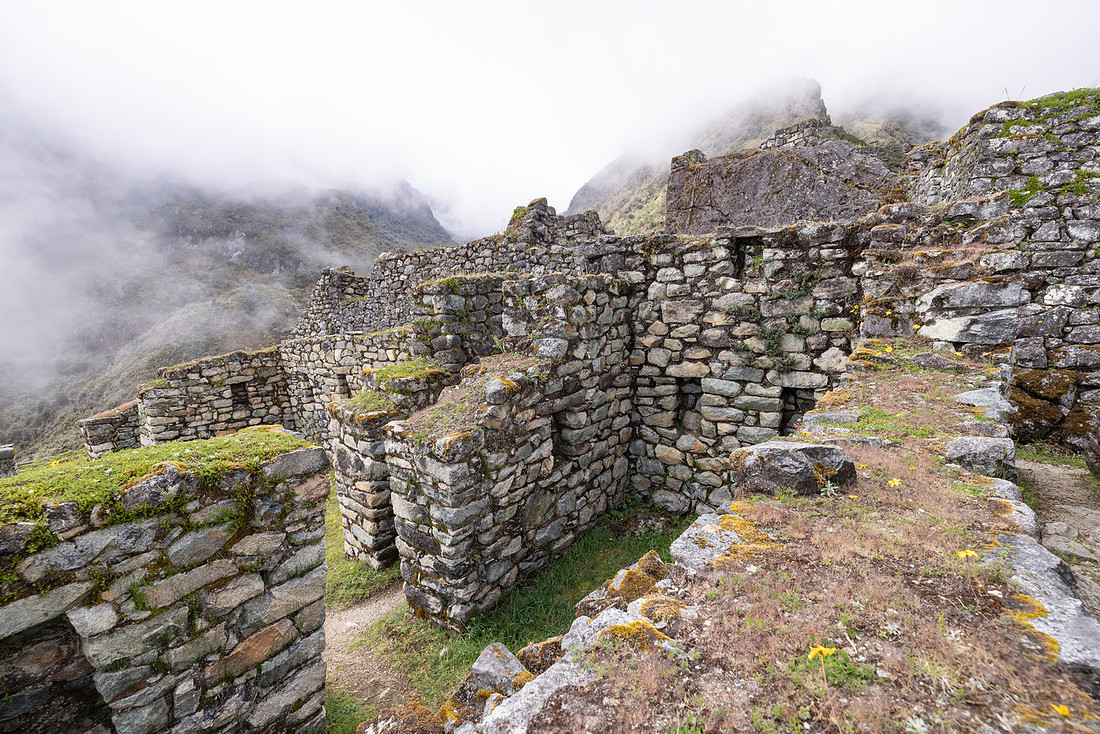
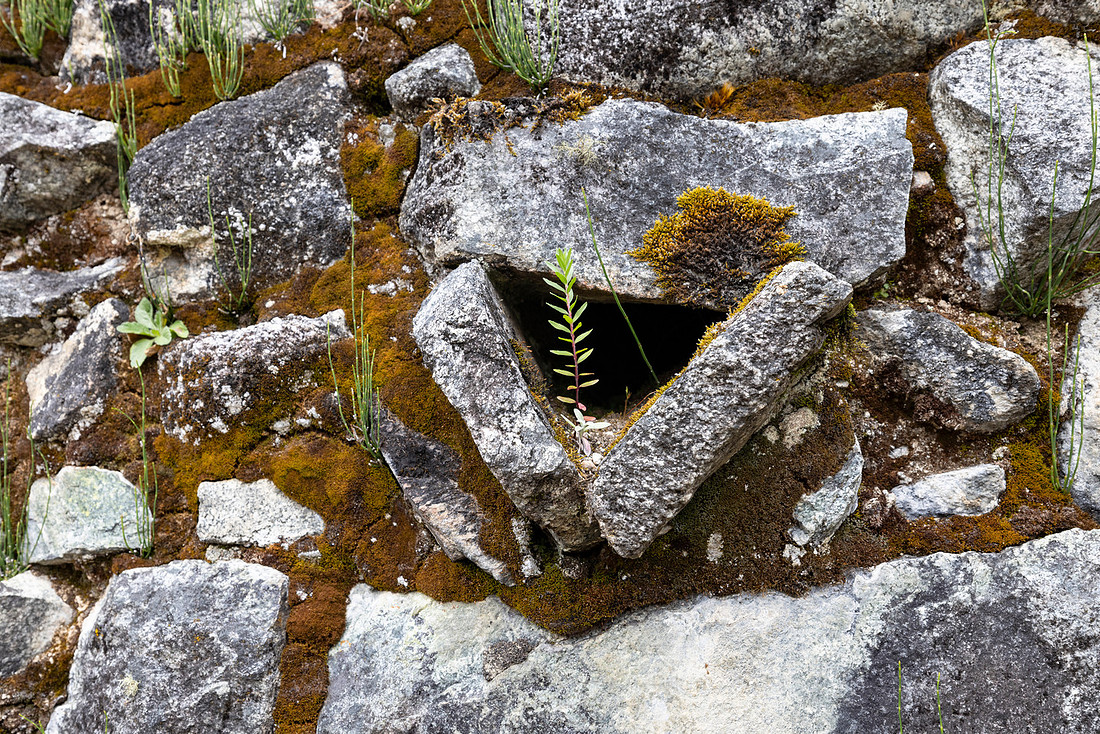
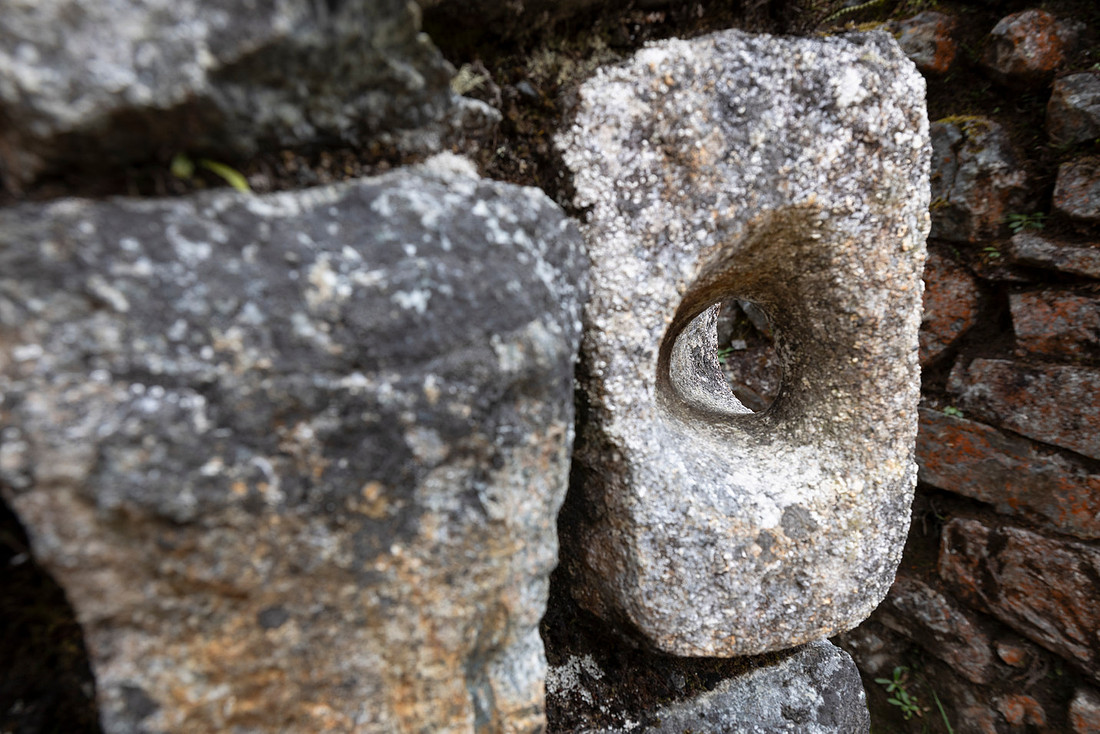
I also noticed some new interesting design features in this site, including water drains and some kind of rock rings. My guess is they were used to partition rooms with rope or something.
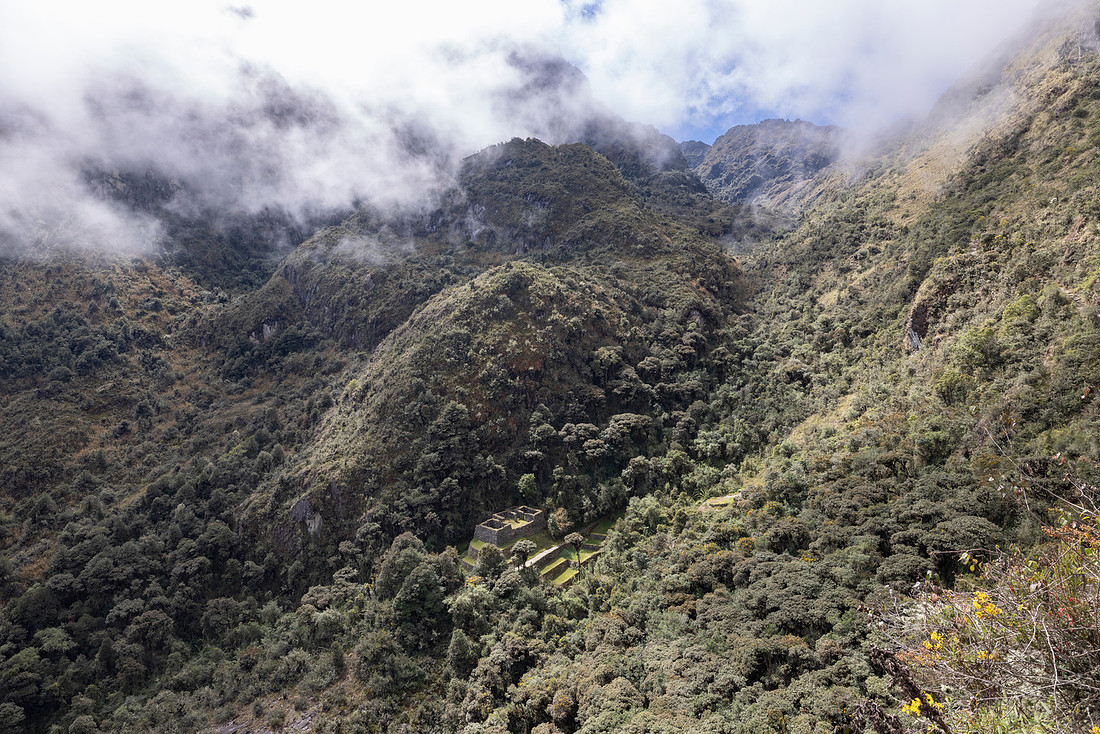
From this site you could also look down valley to the next site we would visit, Qunchamarka.
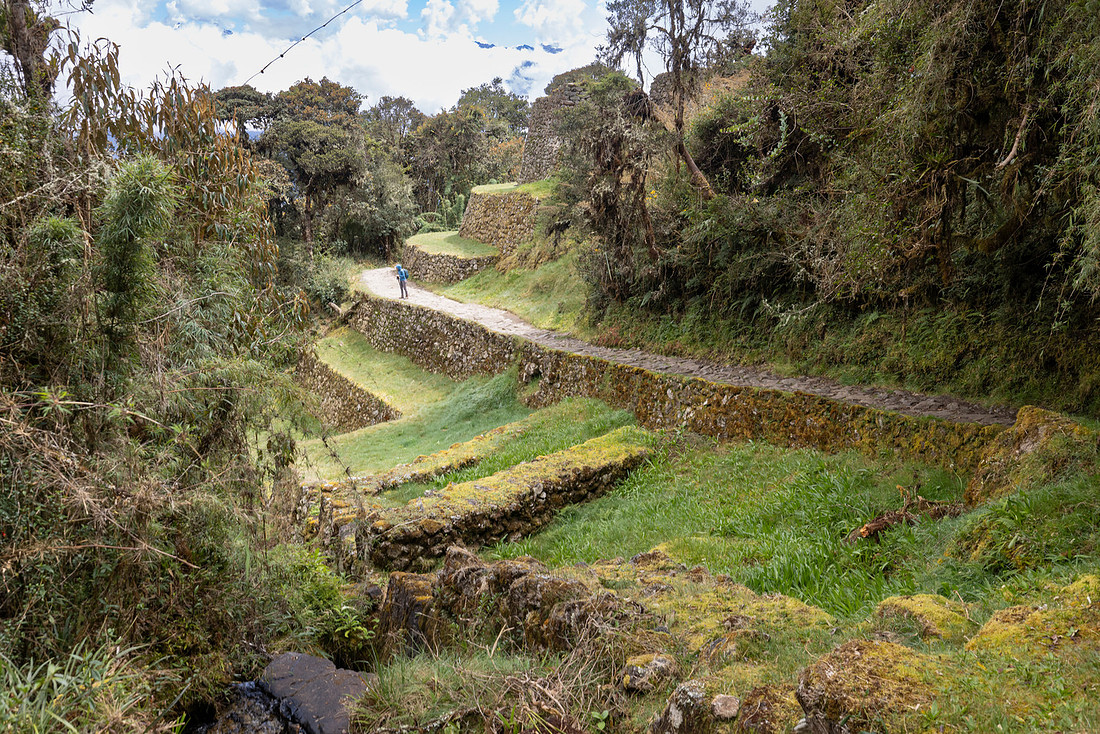
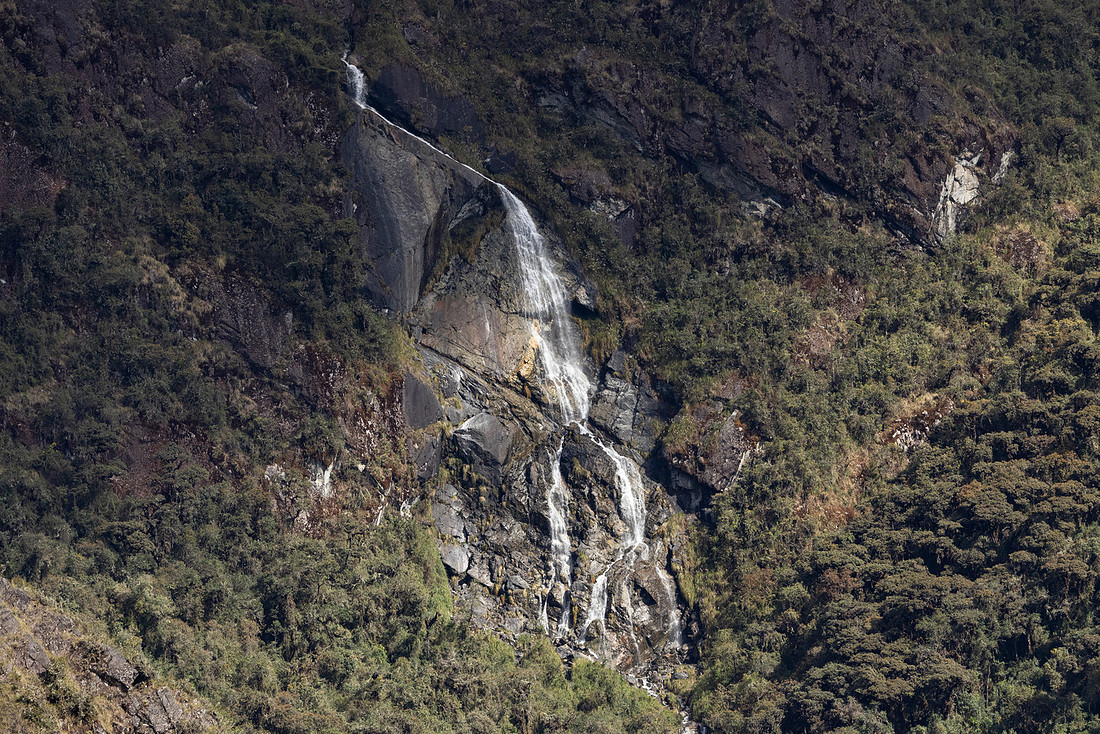
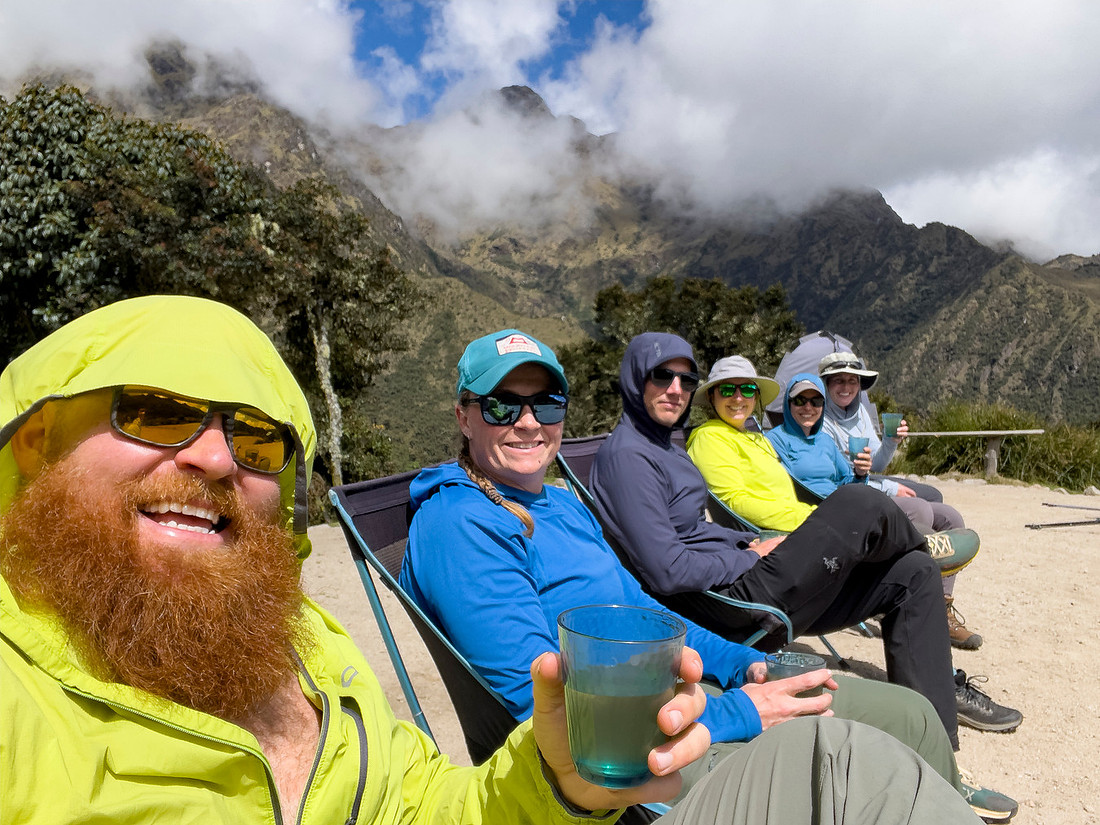
Just beyond the site we stopped for lunch. After we were done eating I took a nap because I was starting to feel a little off.
Along this section of the trail, Yamil pointed out the best examples of how the trail was designed for people to run it, even while going downhill. The small curves allowed someone to run while maintaining control, like making turns while skiing down a hill. The trail system and the Incas who used it, could run over the mountains between Cusco and the sea in a single day. This allowed the king in Cusco, or Sapa Inca, to eat fresh fish from the ocean, hundreds of miles away.
About an hour after lunch I could feel my stomach starting to turn a little. I didn't think much of it at first, but eventually I realized that I needed to hit the restroom ASAP. The last mile before camp, I pulled ahead of the group and started a slow jog. I made it to the restroom with almost no time to spare. My stomach felt better for about 10 minutes, but then it got worse from there.
While resting at the top of the hill in Phuyupatamarca camp, we hung out at watched the clouds roll by. Eventually I had to head to the tent and lay down because my stomach was hurting so bad. Corrie gave me a couple Pepto pills to help, and 90 seconds later, just like her, I was puking my toenails off.
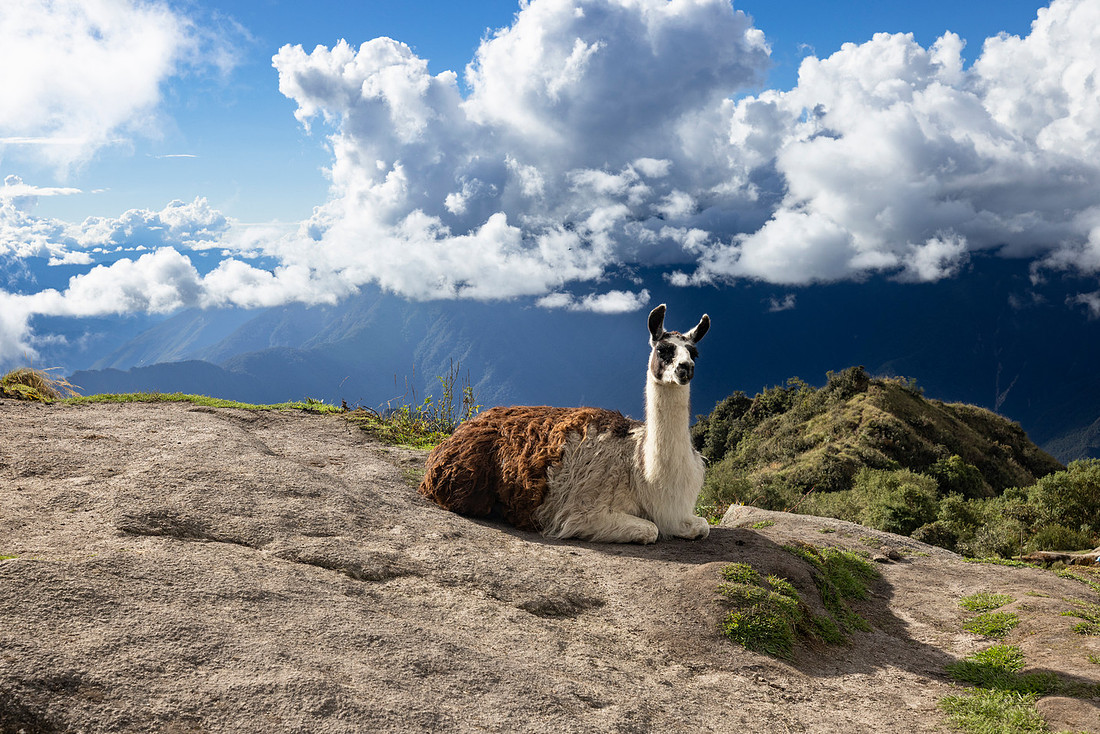
Inca Trail Day 4: Phuyupatamarca to Machu Picchu, ~7 miles, +700/-4,700’
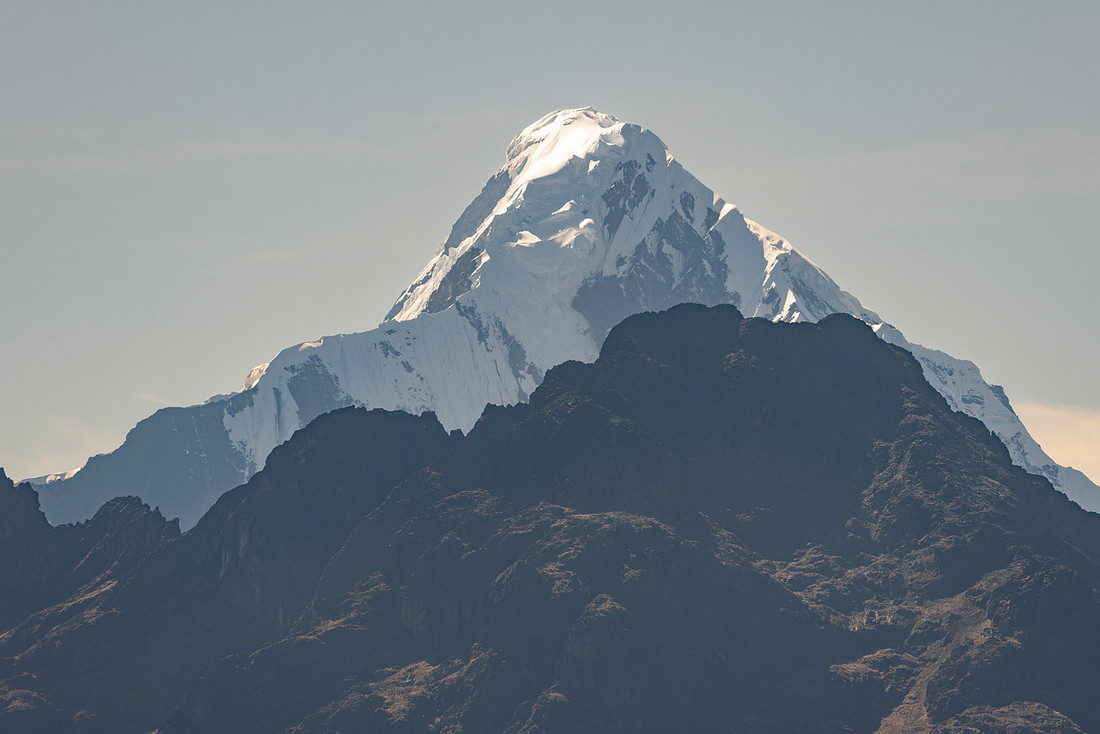
After a night of shivering and sweating, I woke up before sunrise and was greeted to one of the best views of the trip. The clouds had cleared and we were staring at the second highest mountain in the area, Salcantay. Apparently my "offering" to the gods in the bushes would provide us with great weather for the last day of the trip.
At breakfast, the group showed me photos and videos from dinner the night before, including bananas foster. I picked the worst night to get sick, but I suppose it was better than having to hike Dead Woman Pass, like Corrie.
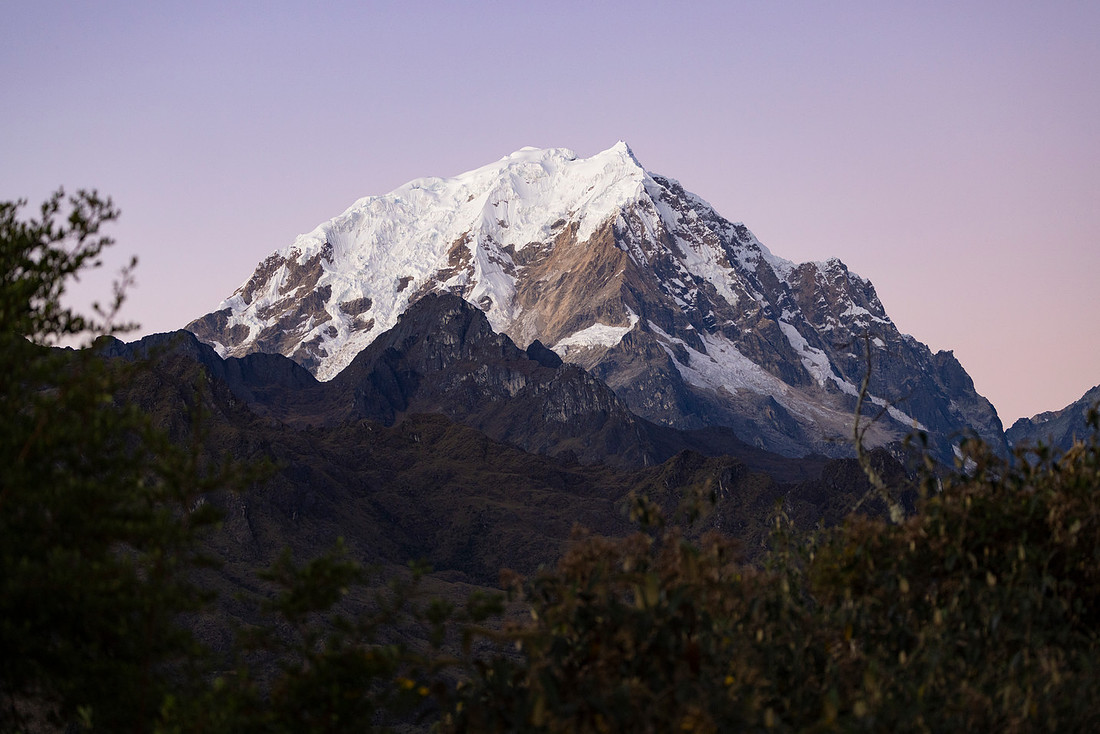
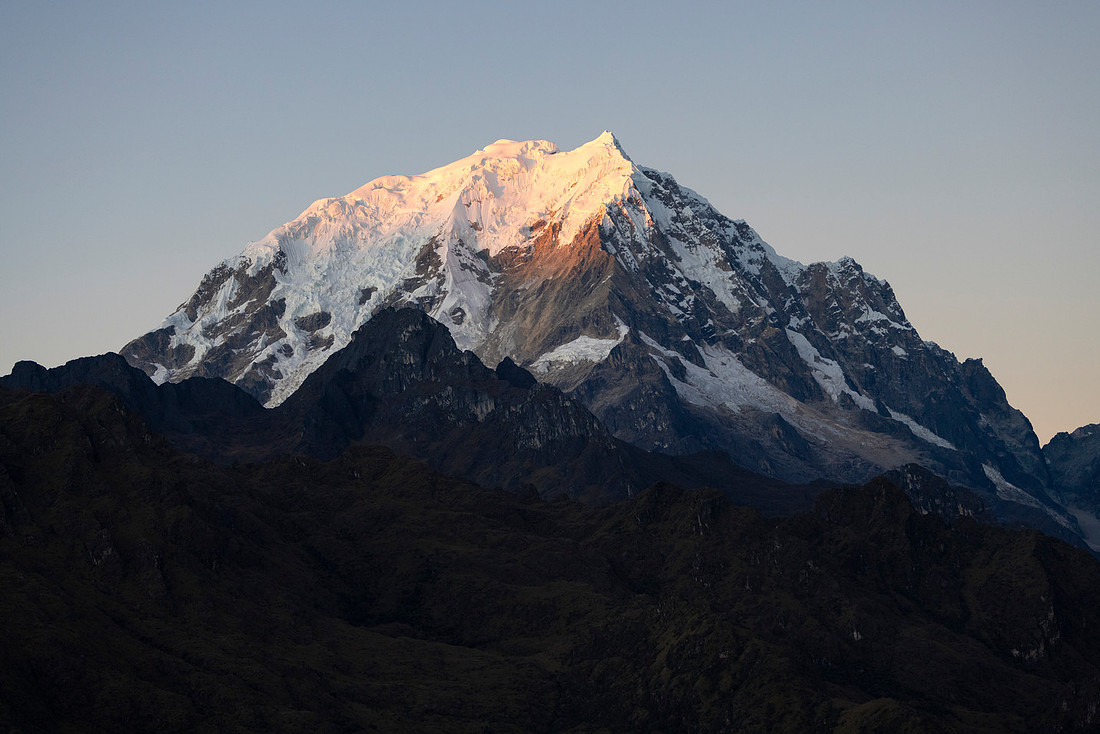
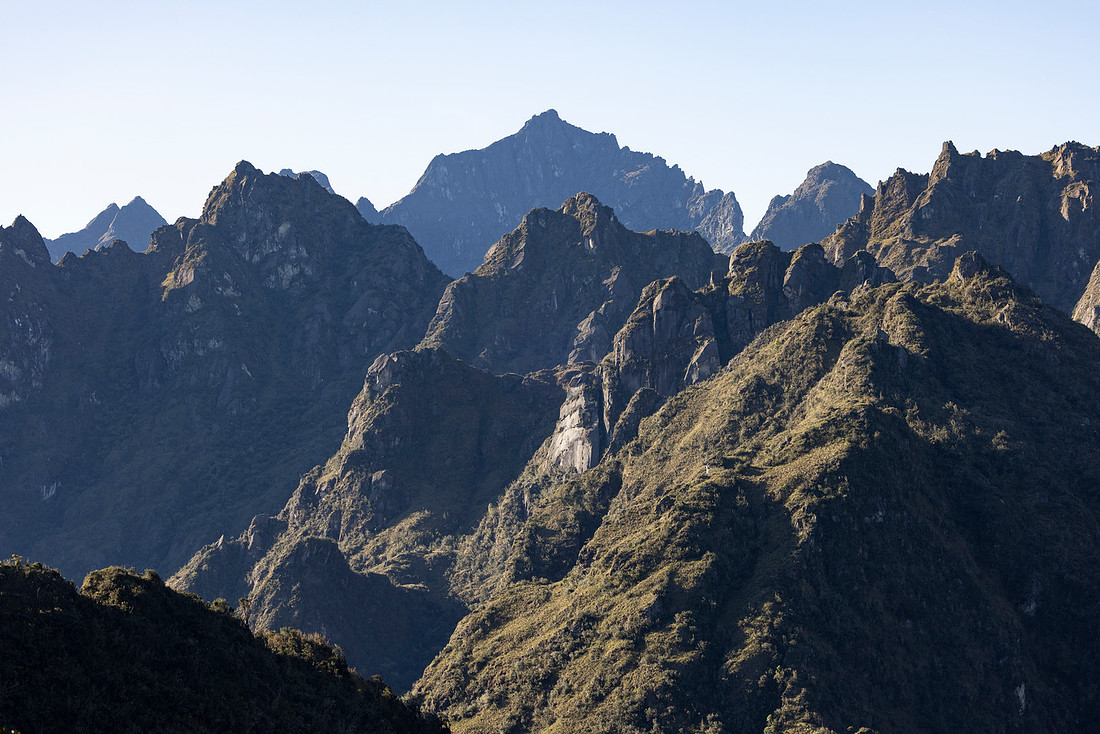
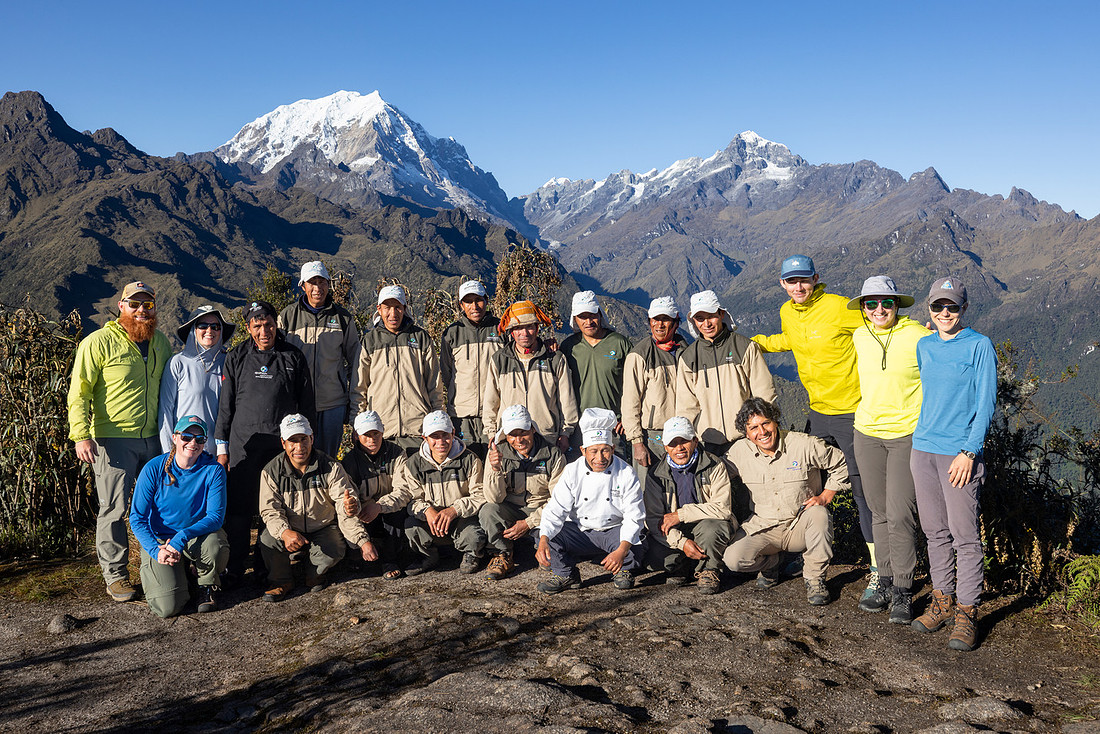
This would also be the last time that we would see our support team. So we grabbed a photo in front of Salcantay. While we were setting up for the group photo, all the guys were pulling out their cell phones and taking photos of the mountain. When the local guys are taking photos, you know that you're witnessing something awesome.
This trip wouldn't have been what it was without our support team. Our chef Daniel, prepared an amazing menu and the rest of the team carried all our food and equipment over some serious terrain. It was awesome to see these guys in action. Our two veteran porters, Mario and Bautista, have been hiking this trail for over three decades. We can't say enough great things about them.
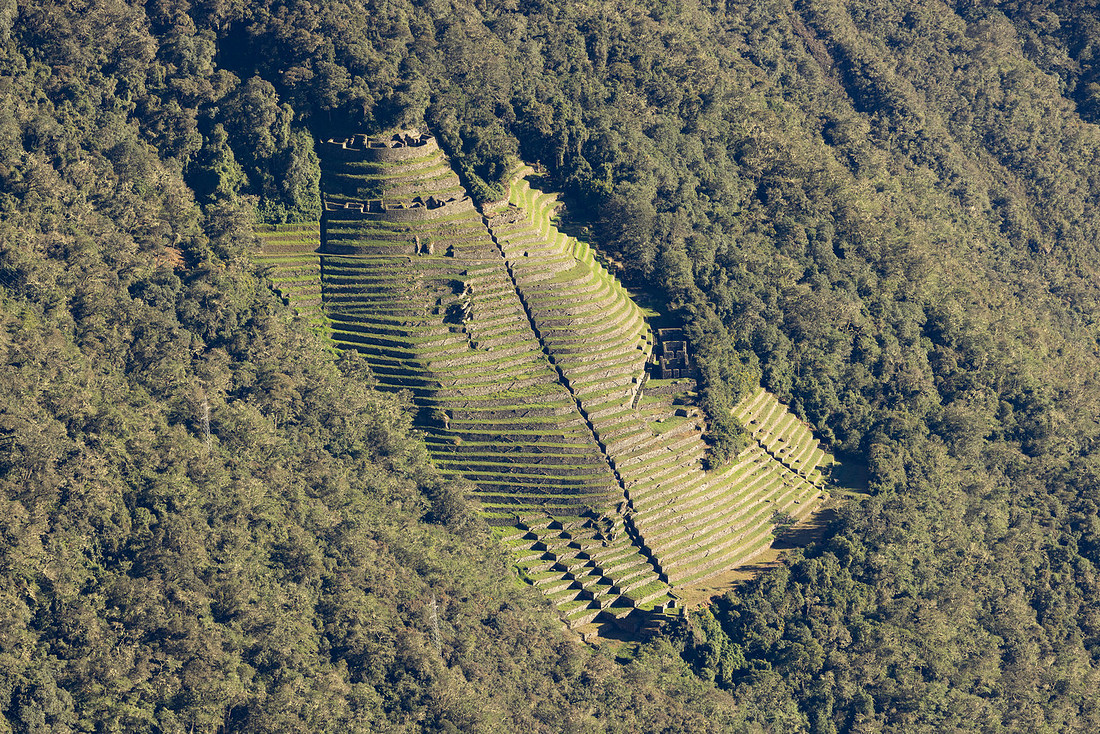
From our group picture spot we could also see Intipata below us, a site that we would be walking through later in the day.
We would be dropping nearly a vertical mile in total today, and as soon as we left camp we started going down.
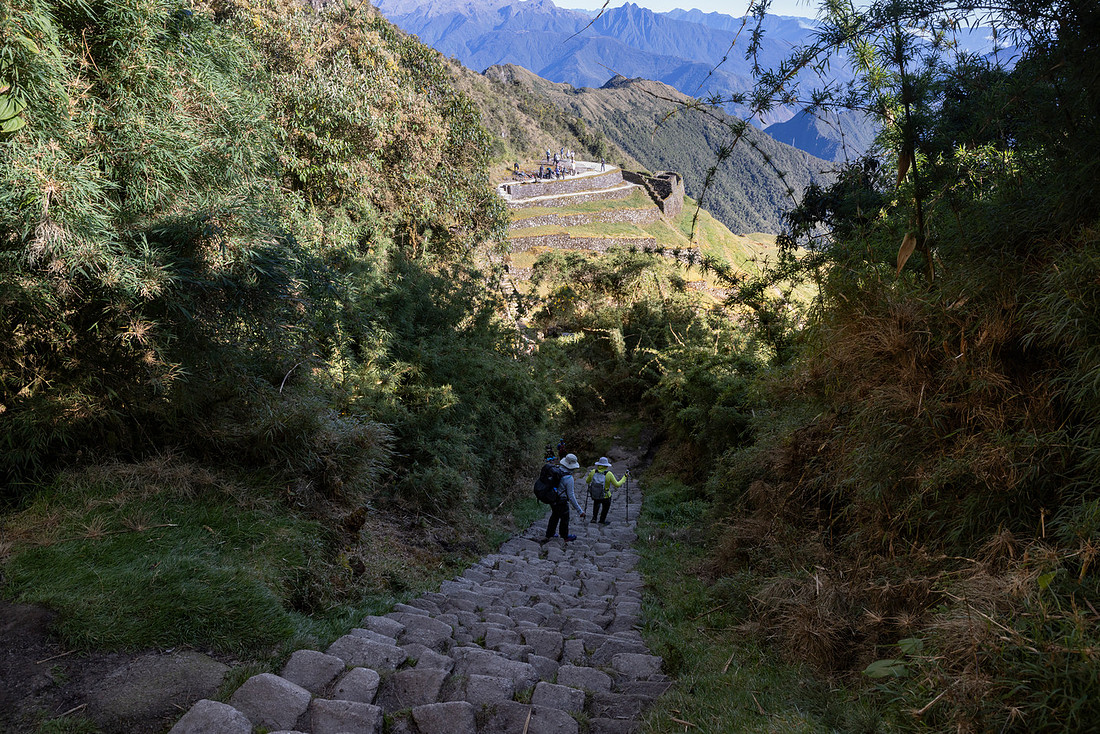
And down...
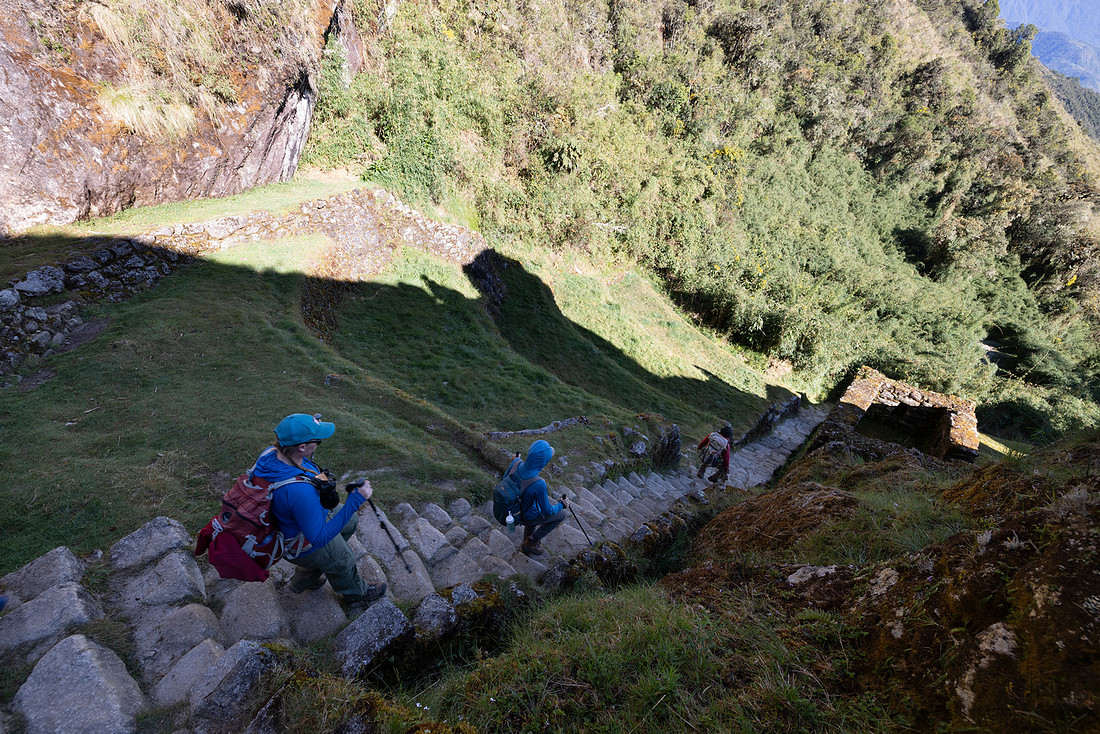
And down...
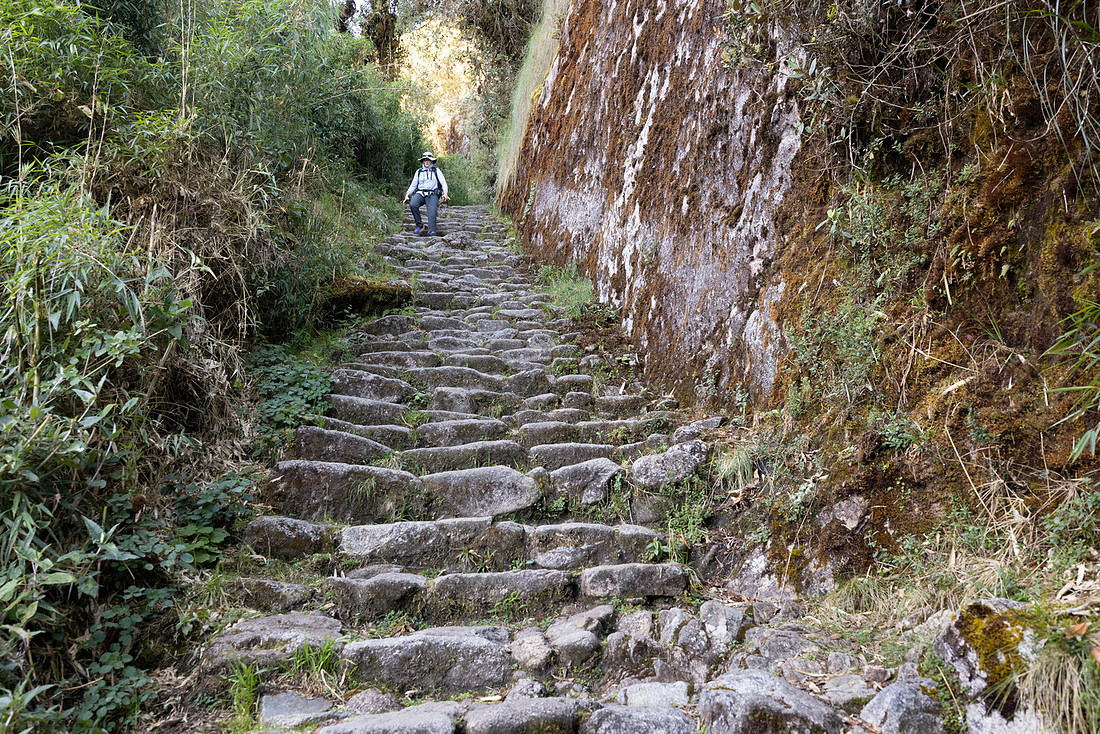
And down..
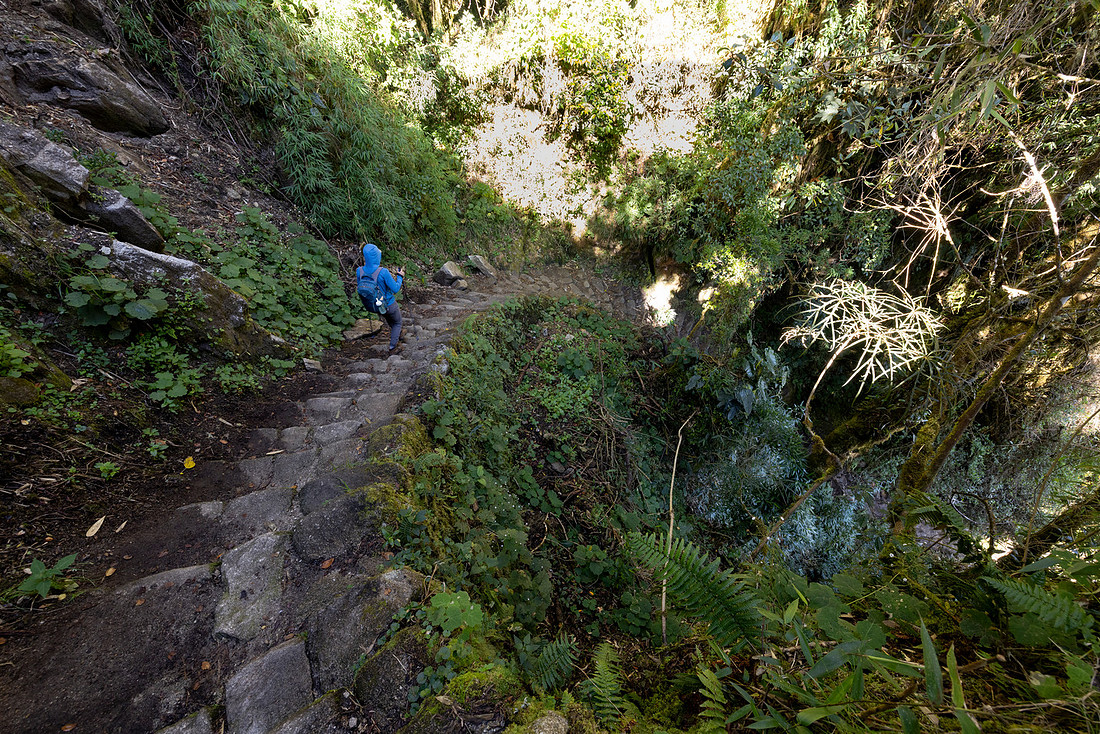
We eventually made it to Intipata. This is the first place where I saw a good example of the stairs in the terraces up close. They were long flat rocks built into the walls that protruded out.
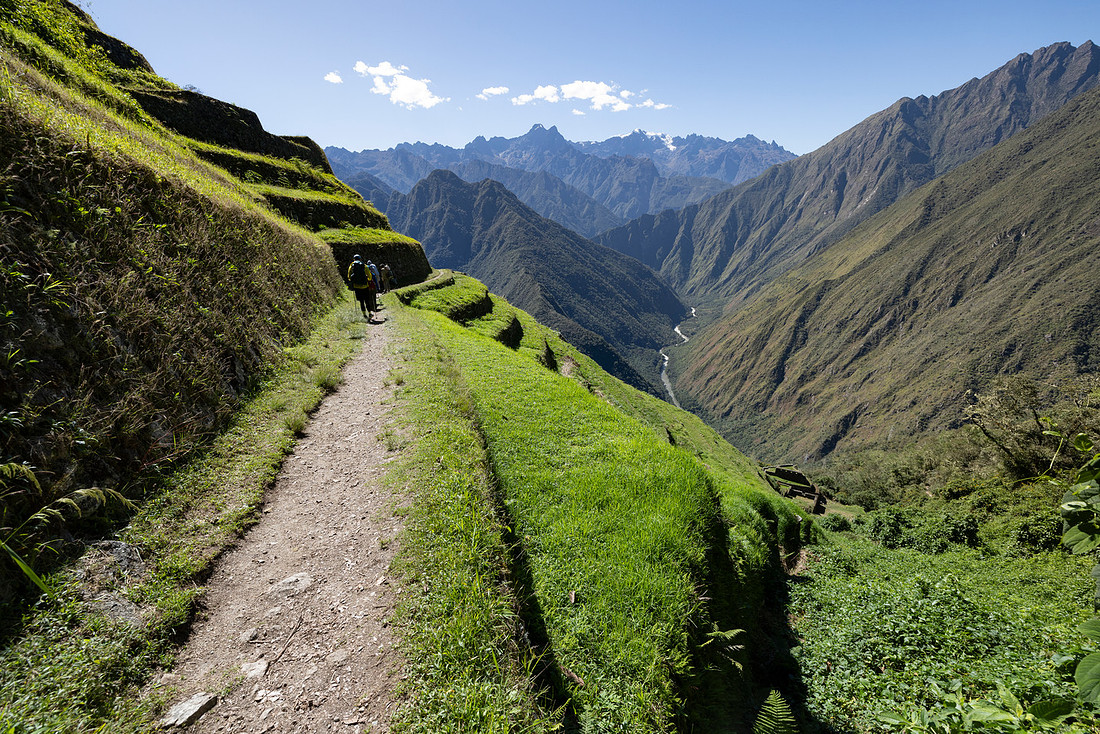
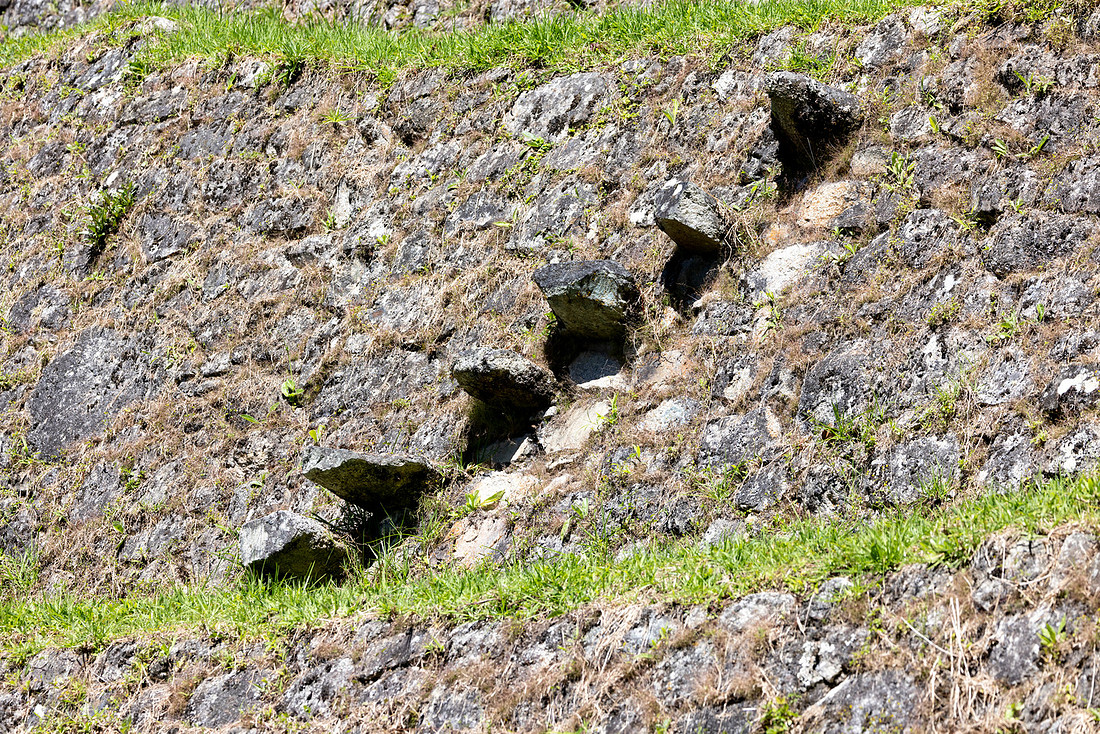
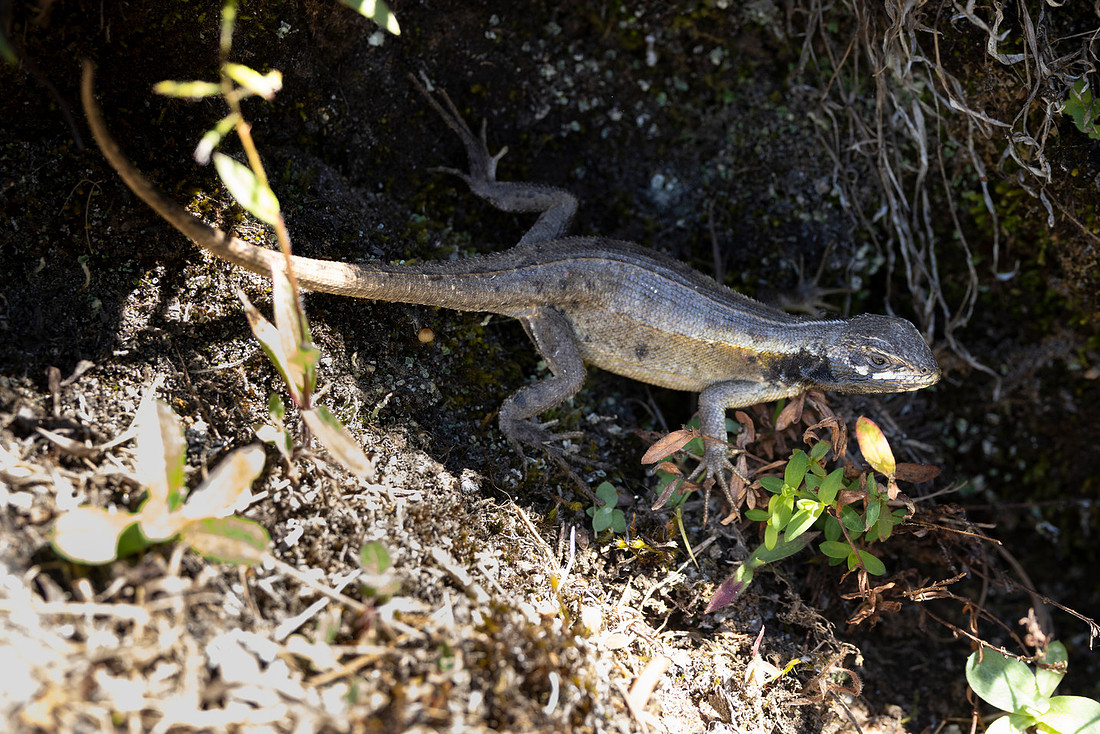
Did I mention we hiked down?
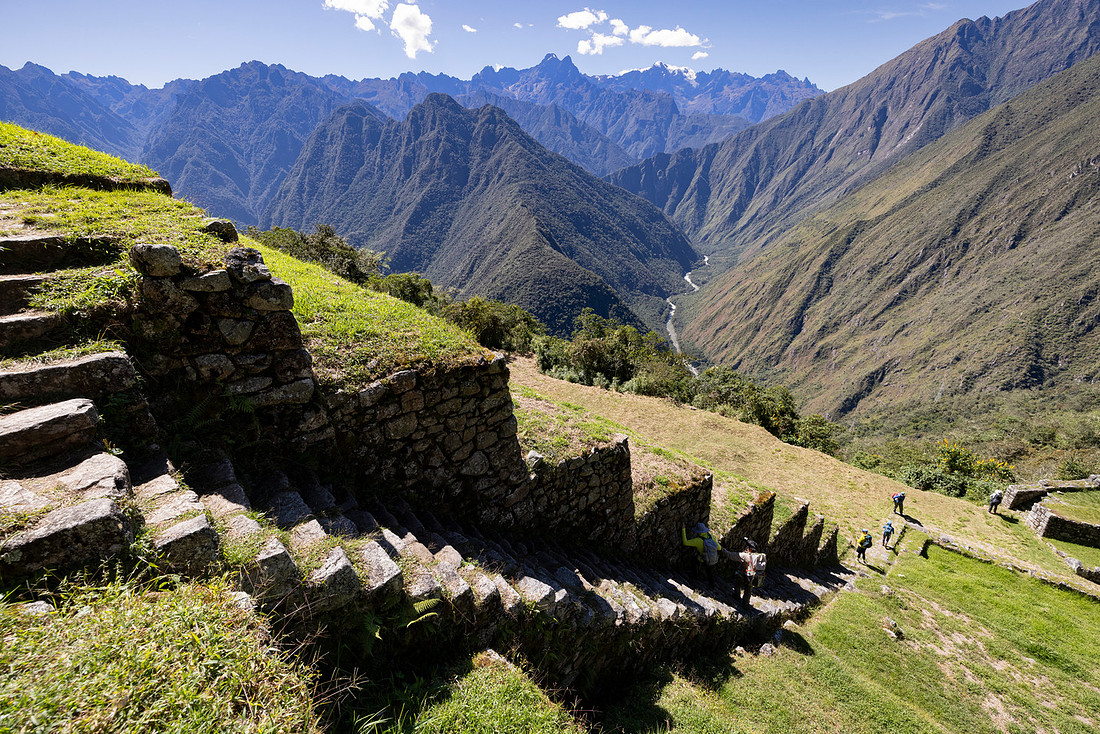
Shortly after Intipata, we arrived at Wiñya Wayna. This was the first site that I made the realization that most of these places had great views. Yamil pointed out to us that the Incas worshipped the mountains. The snow capped peaks were called apus. So, if we were living during the time of the Incas, we would not be too concerned about the beauty of the buildings, but rather the buildings were built in such a way and in such a location that allowed you to take in the beautiful views of the mountains and Mother Earth, or pachamama.
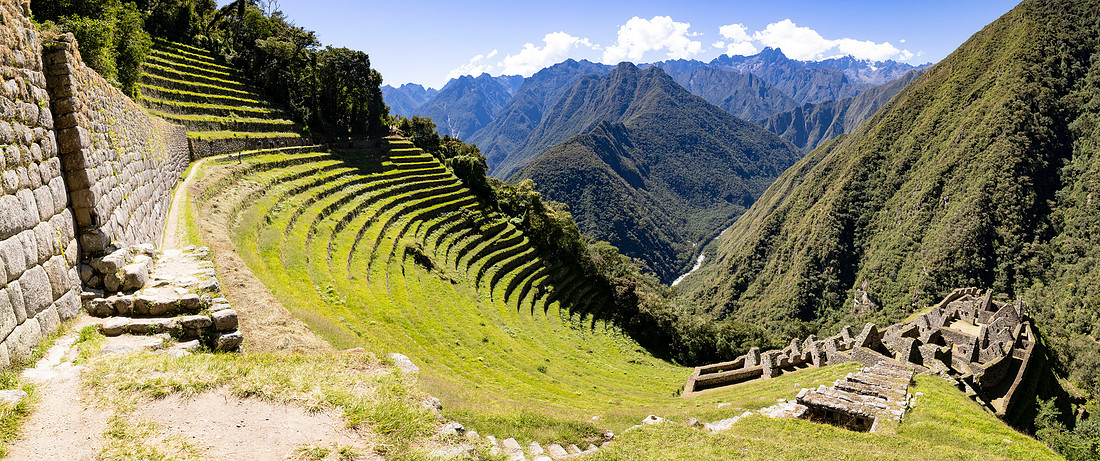
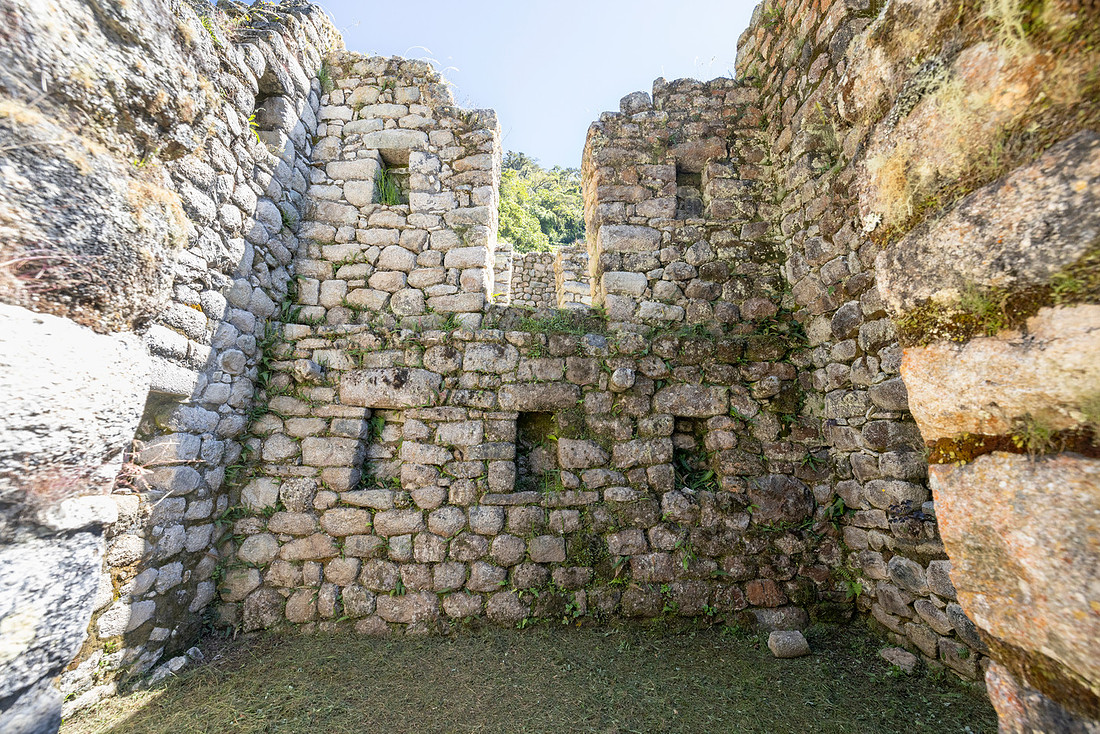
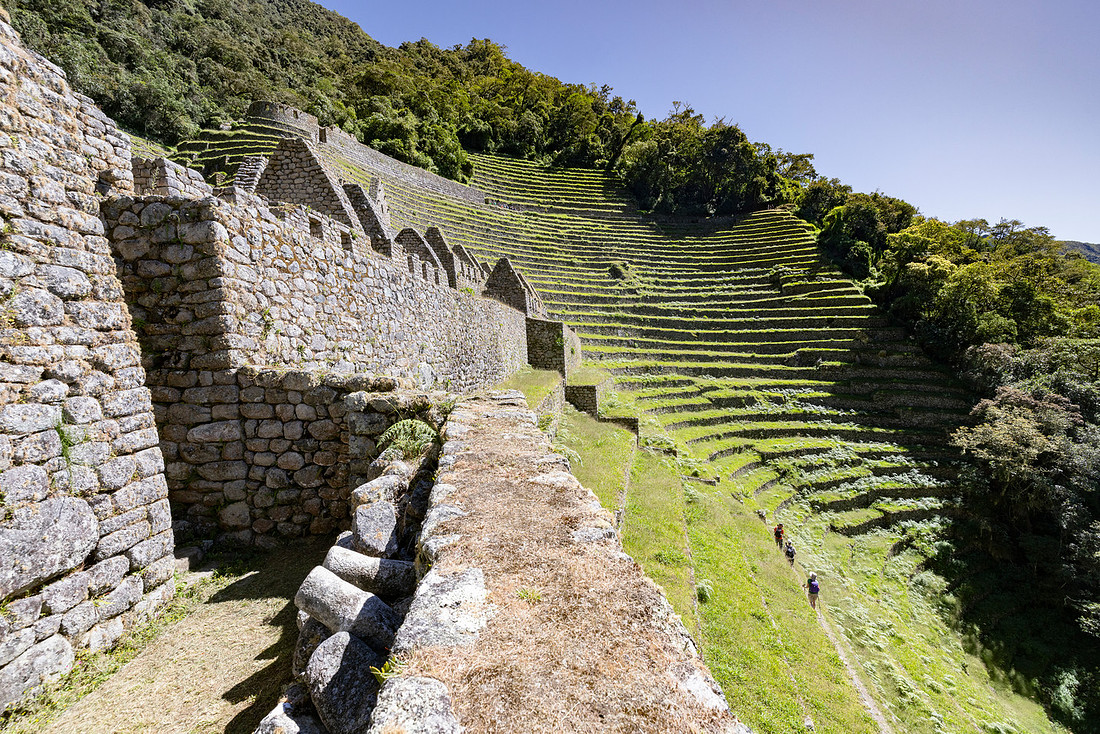
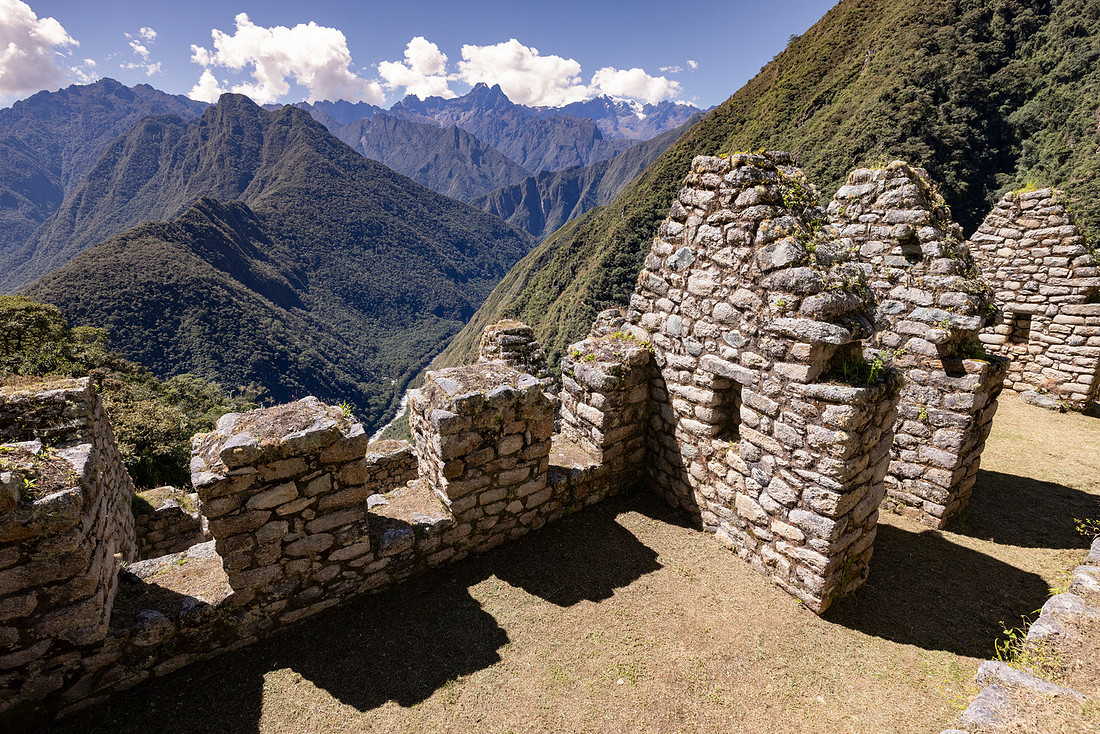
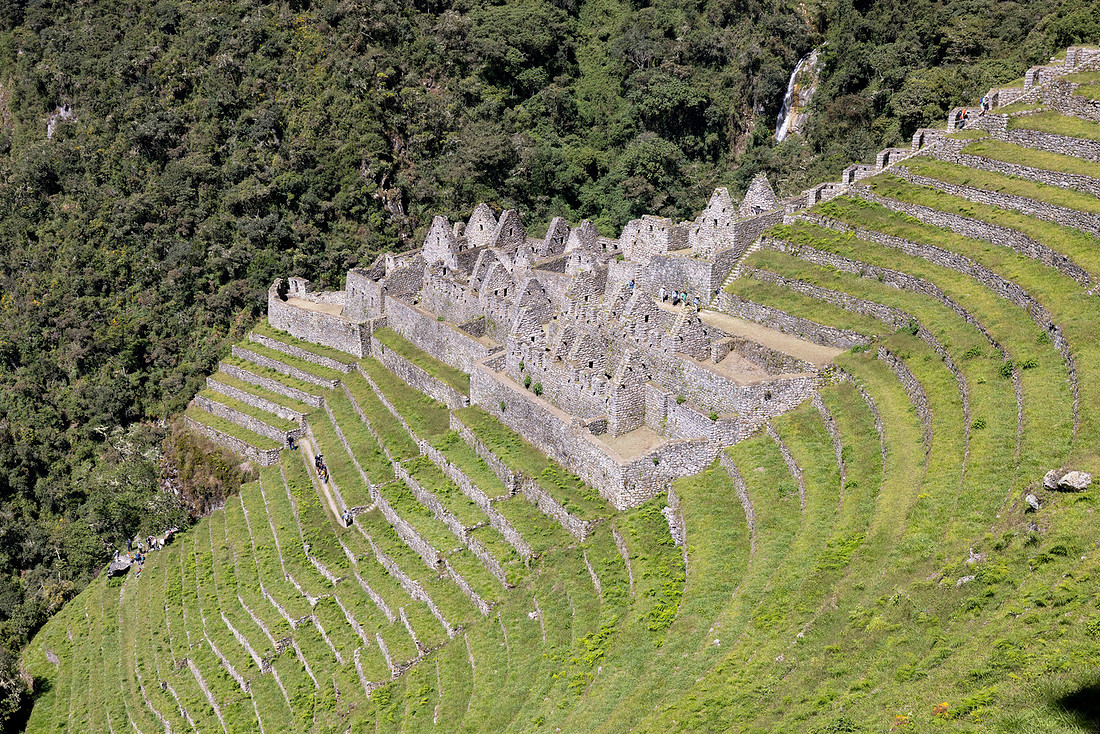
Literally after each site, I left saying, "This was my new favorite site." And after Wiñya Wayna, there was only one left to see...
We climbed up the steepest steps of the trail, called the "Monkey Steps."
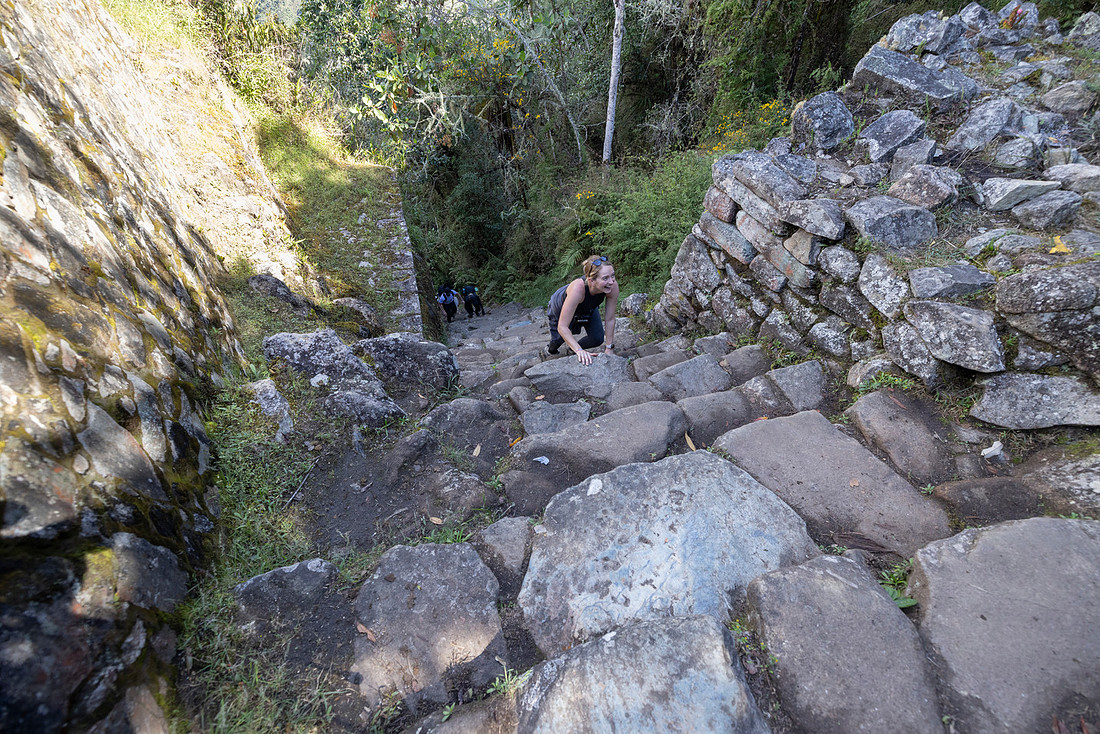
And followed the trail a short while until we reached the Sun Gate.
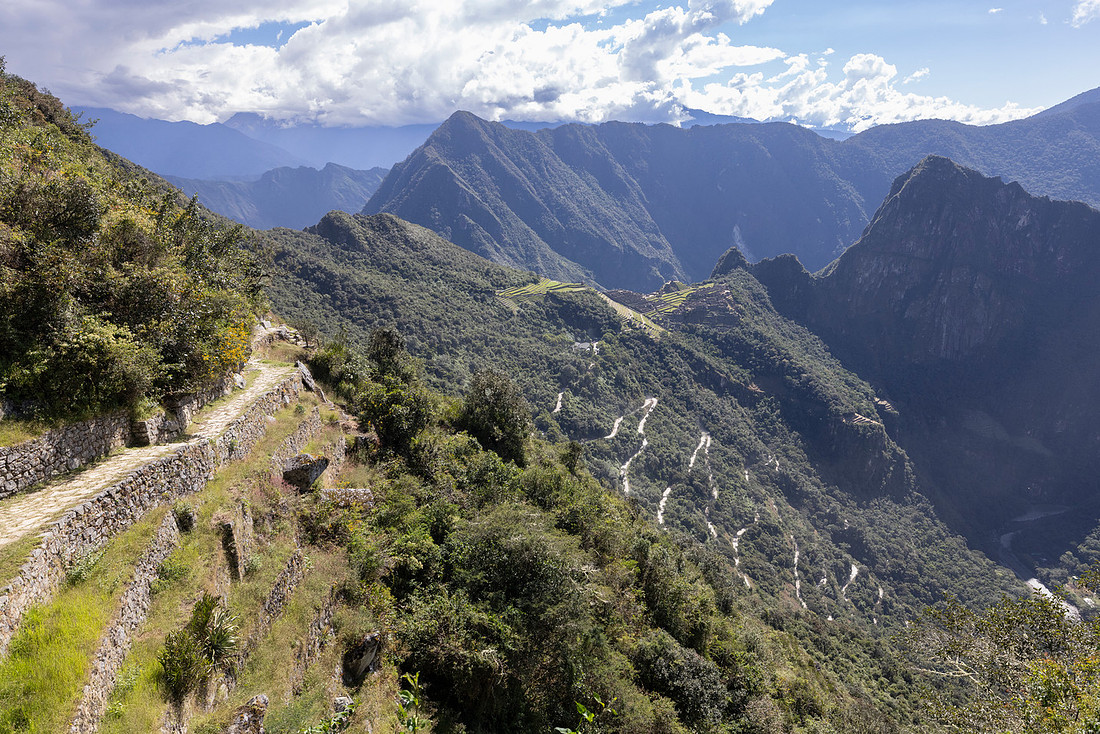
It was still far away, but after four days of hiking we had our first views of Machu Picchu.
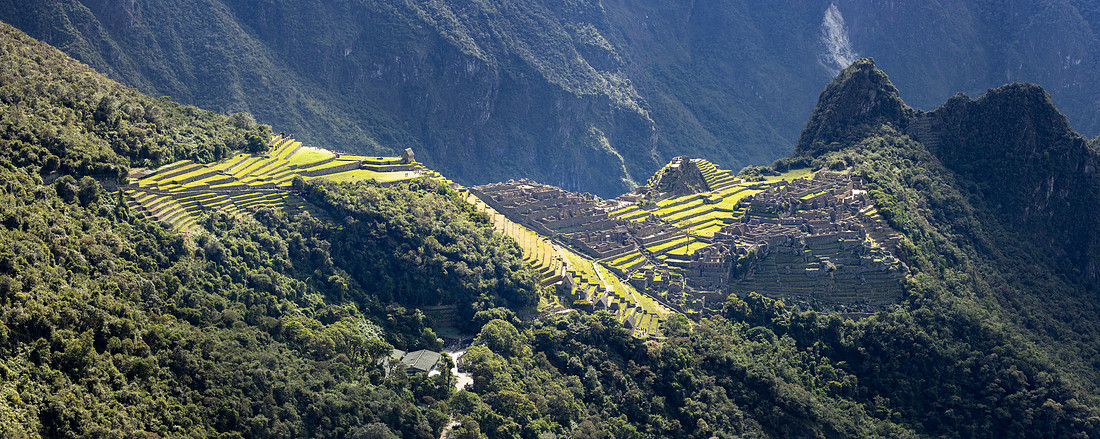
As we continued along the trail, the anticipation was building and I caught a second wind. We walked past more sites along the way including an altar. On the winter solstice, this altar is the first place where the sun hits during sunrise.
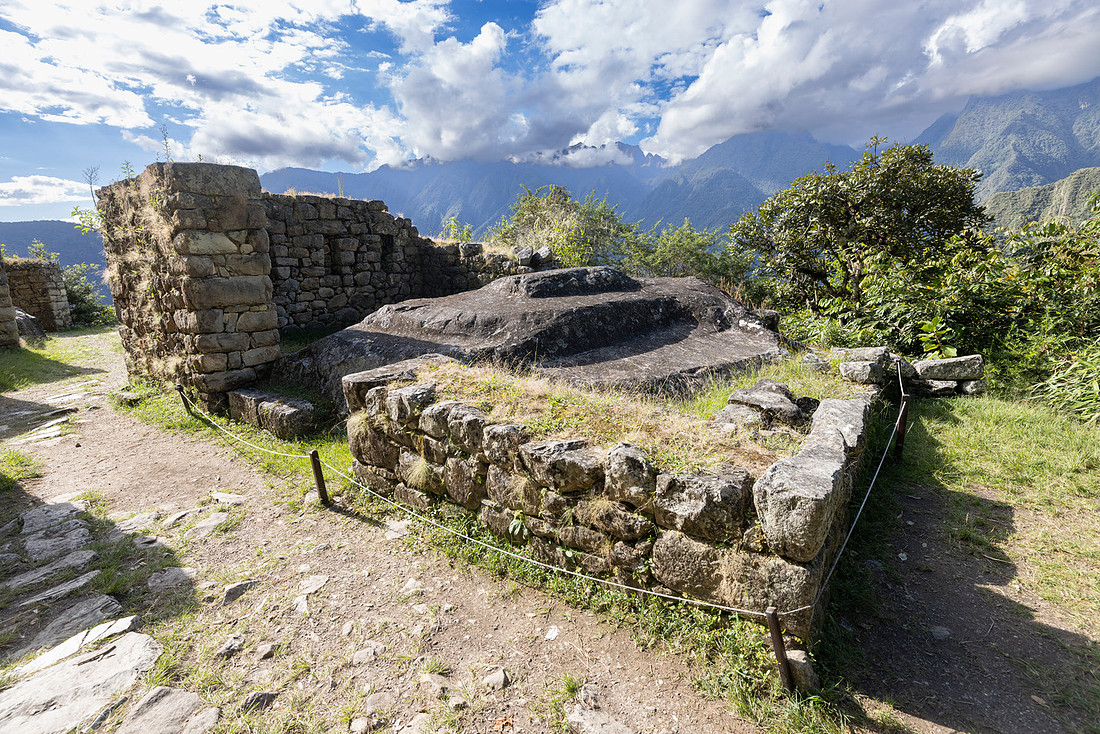
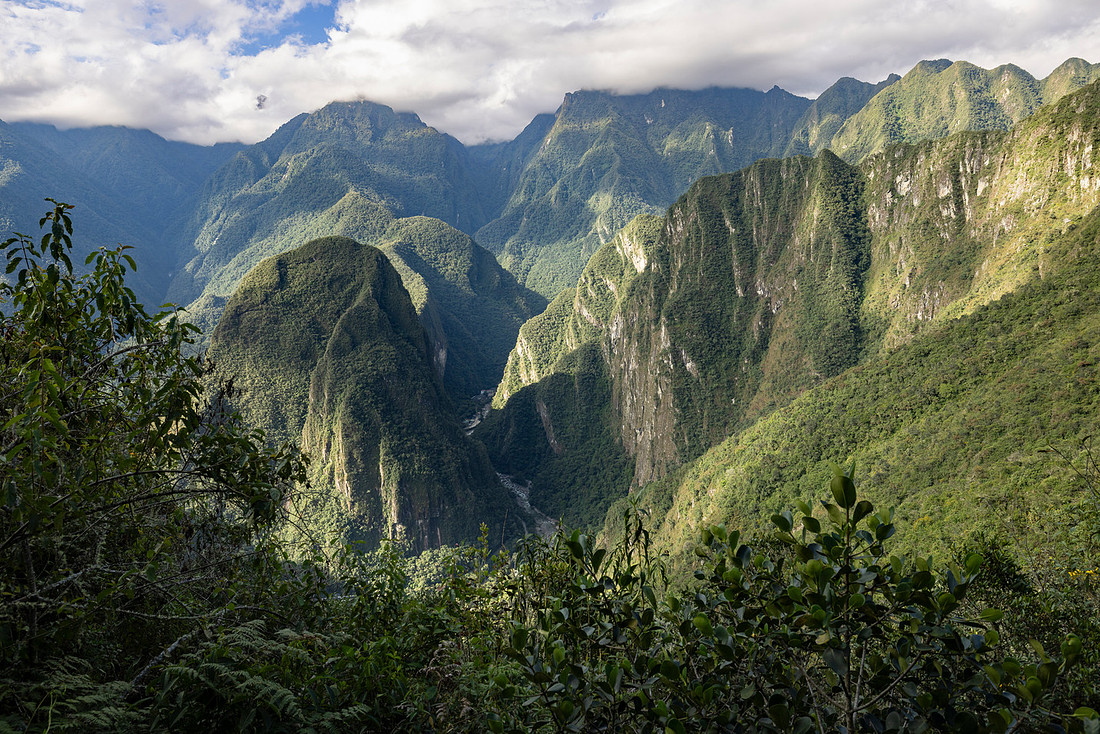
Just as we arrived the light started to get nice and the clouds started building.
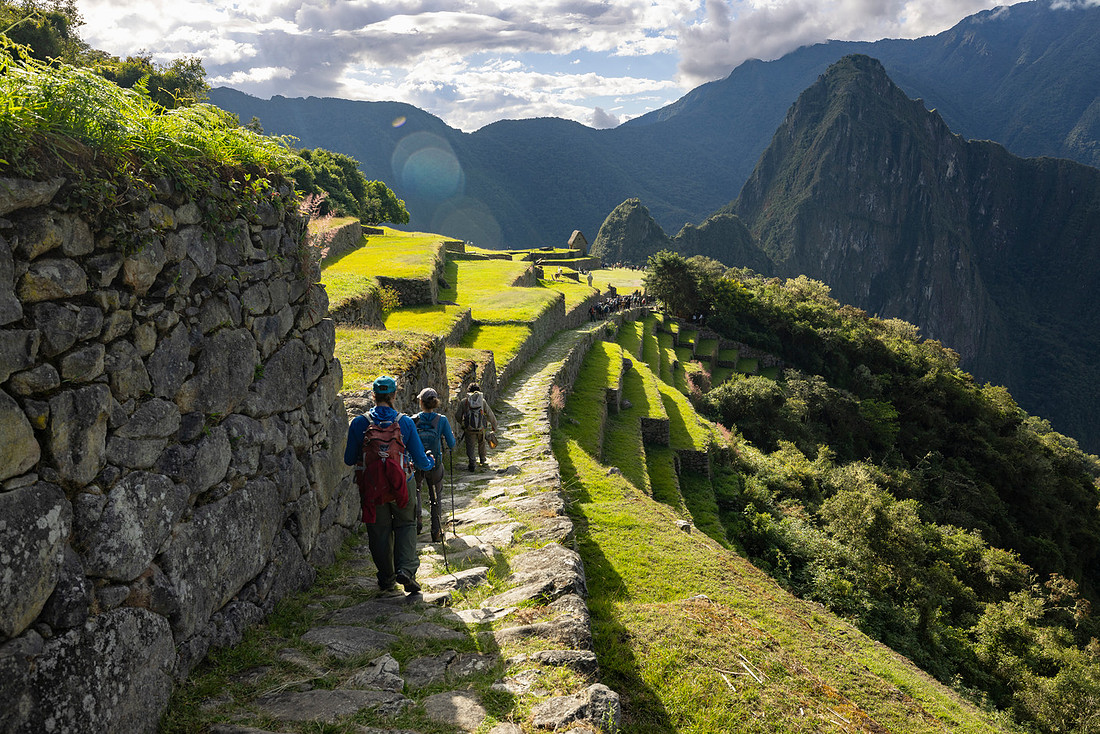
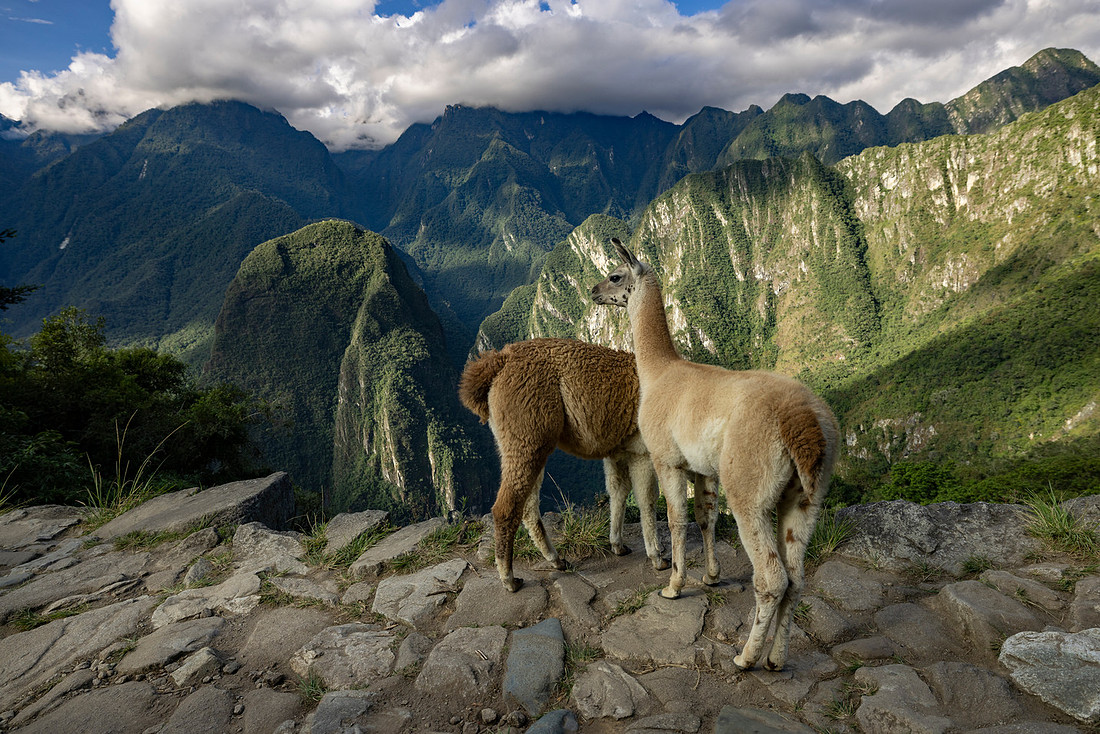
After four days of seeing minimal people on the trail, arriving at Machu Picchu was a bit overwhelming, but we were PUMPED to be there.
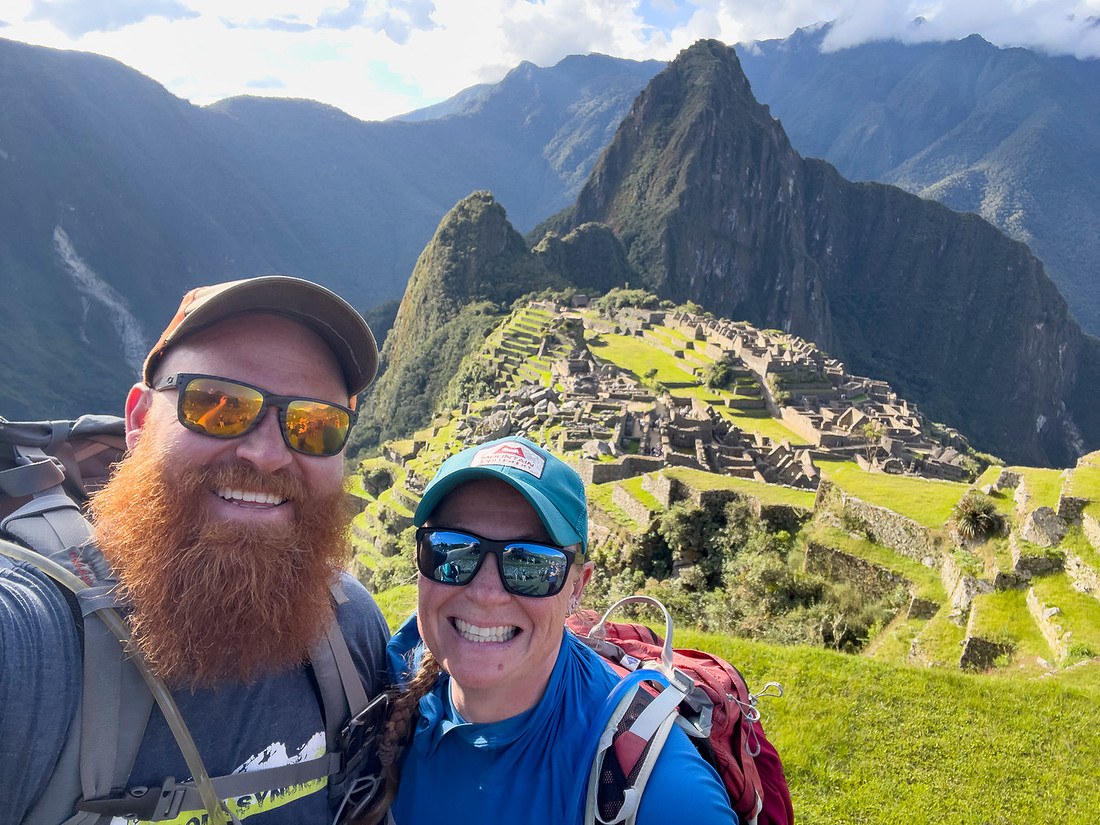
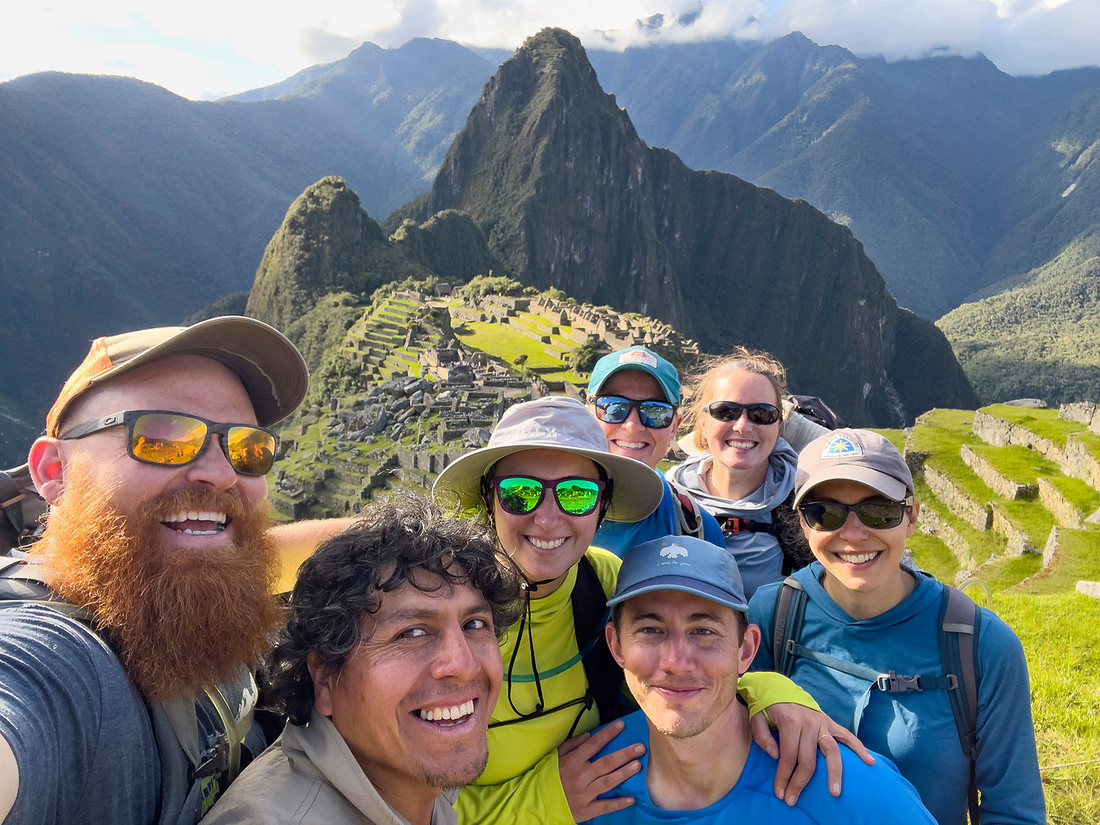
As we stood there, the light kept changing as the clouds moved over the mountains. After we took a few photos, we headed to the bus stop to take a ride down to Aguas Calientes and check into our hotel.
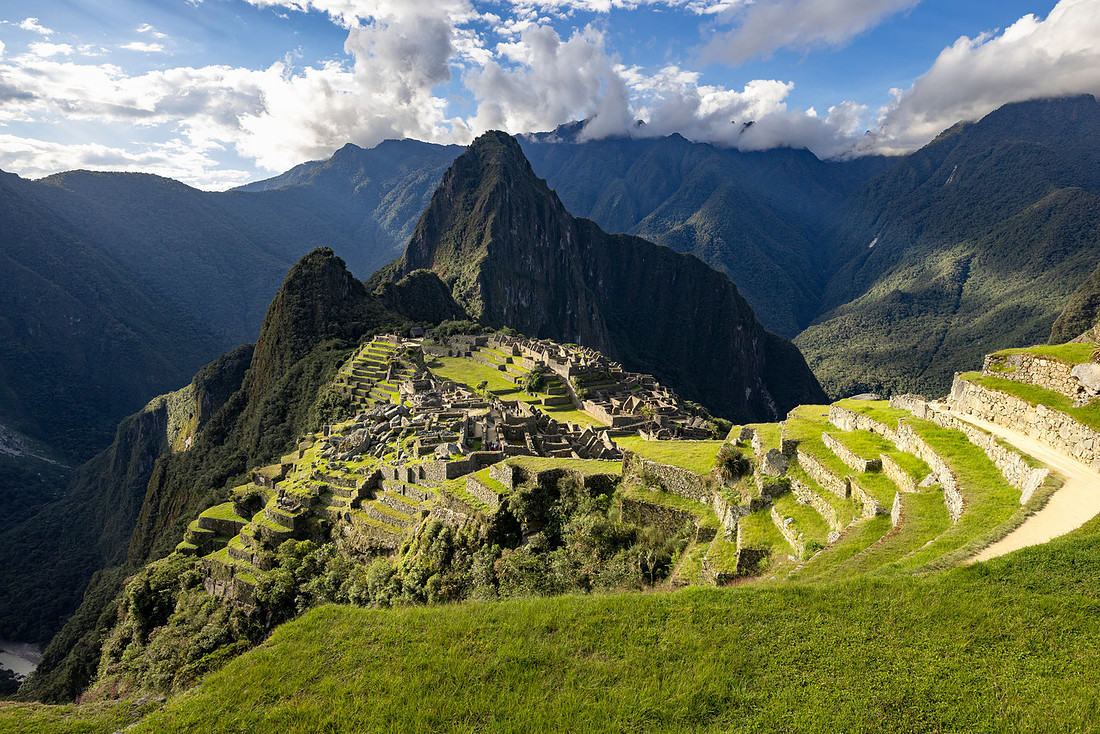
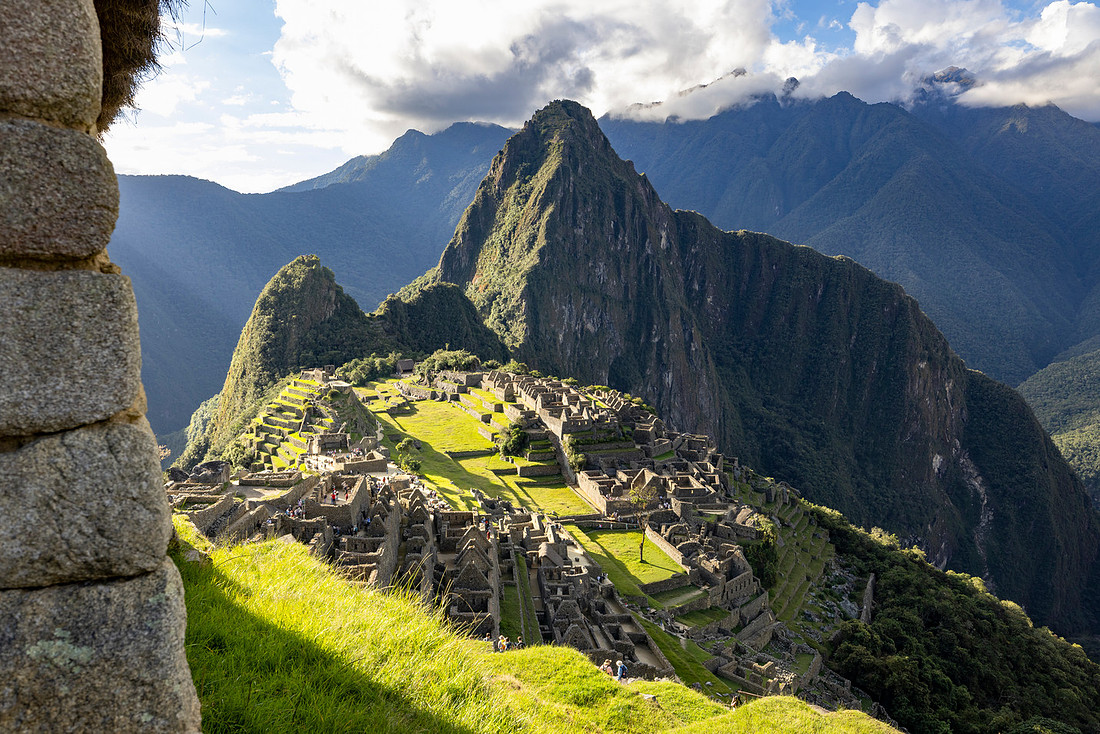
Day 5: Exploring Machu Picchu
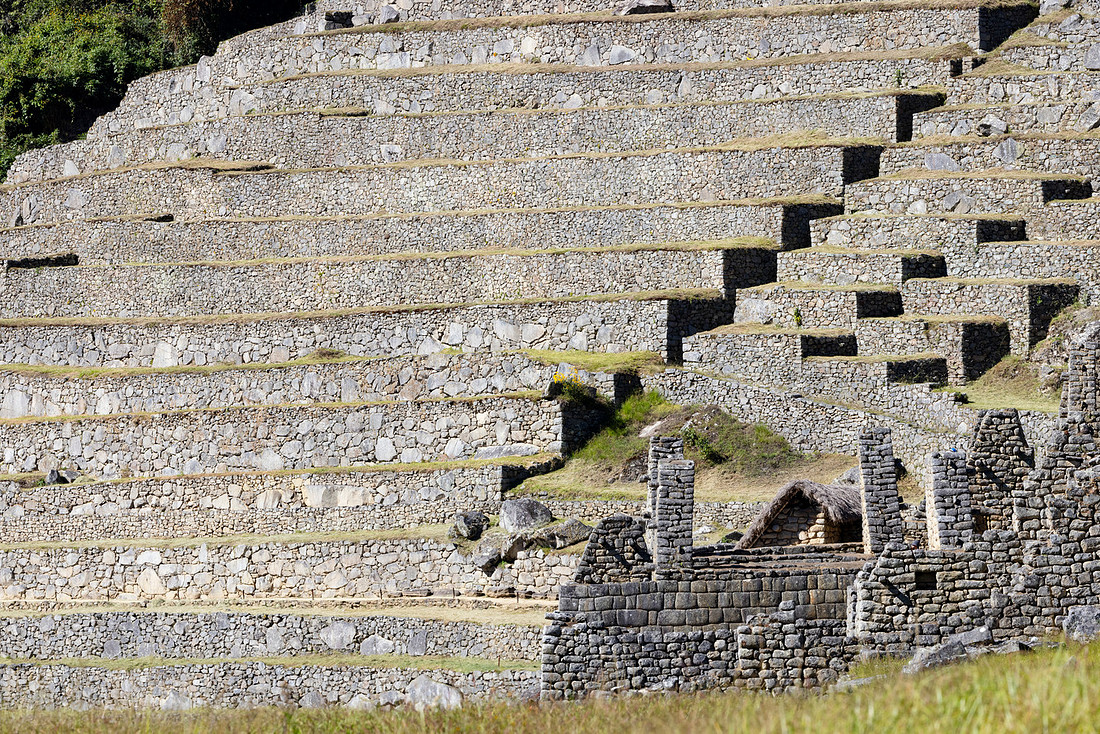
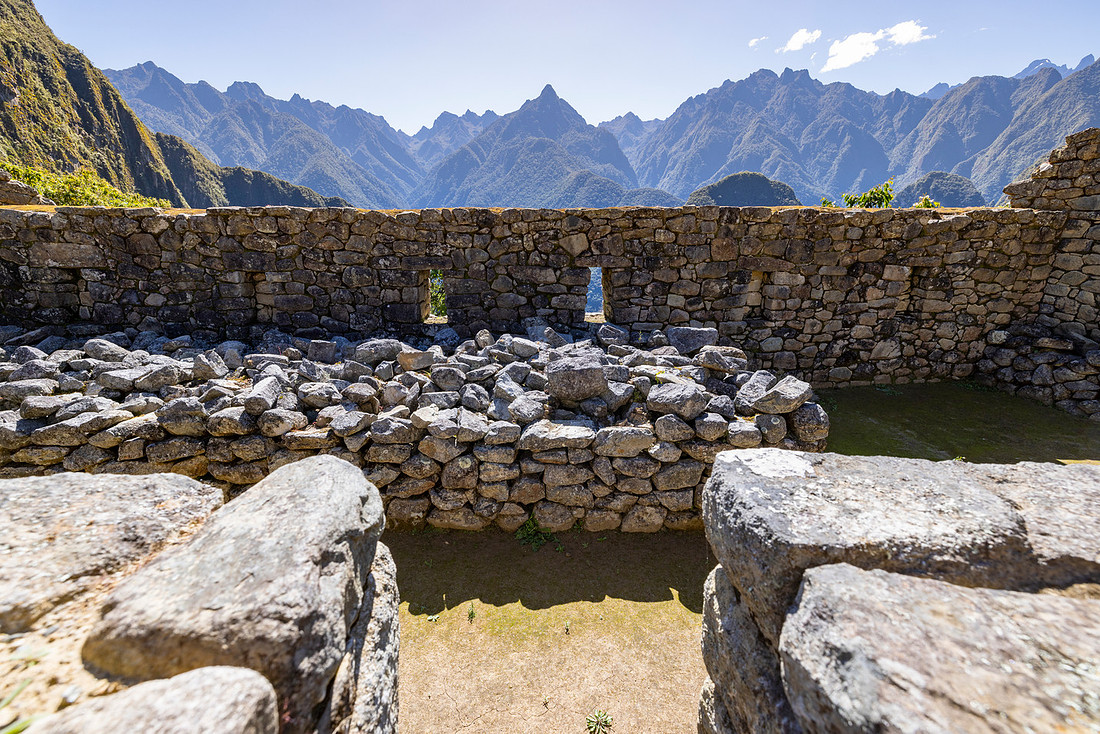
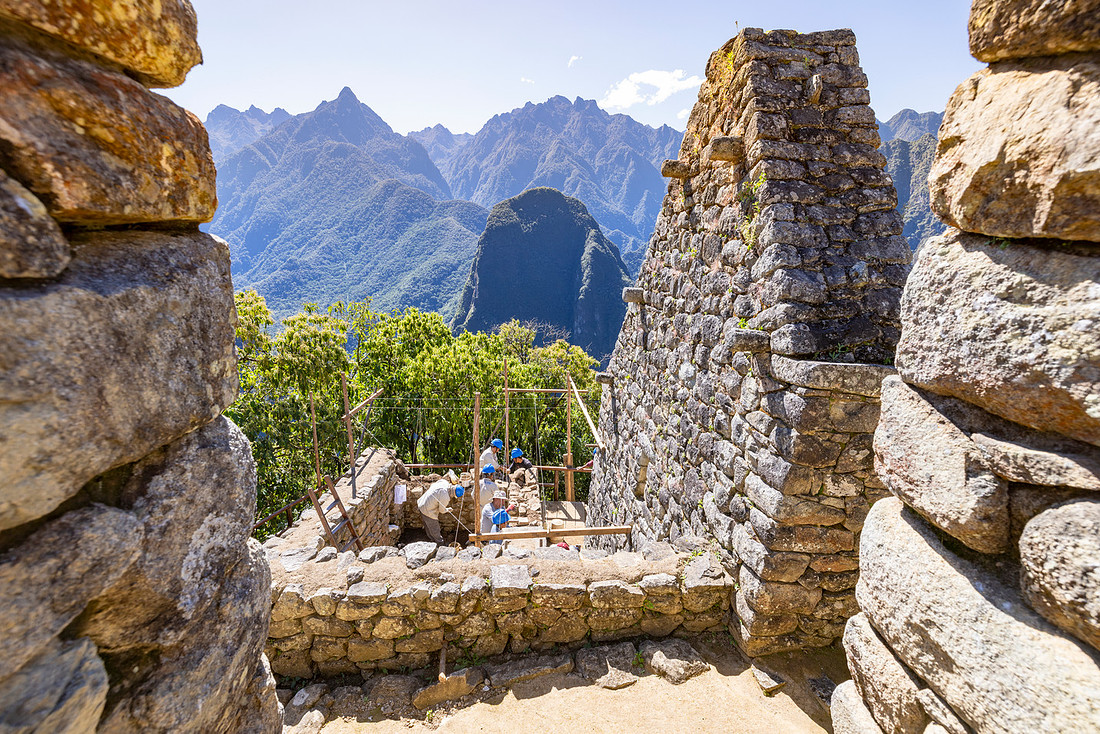
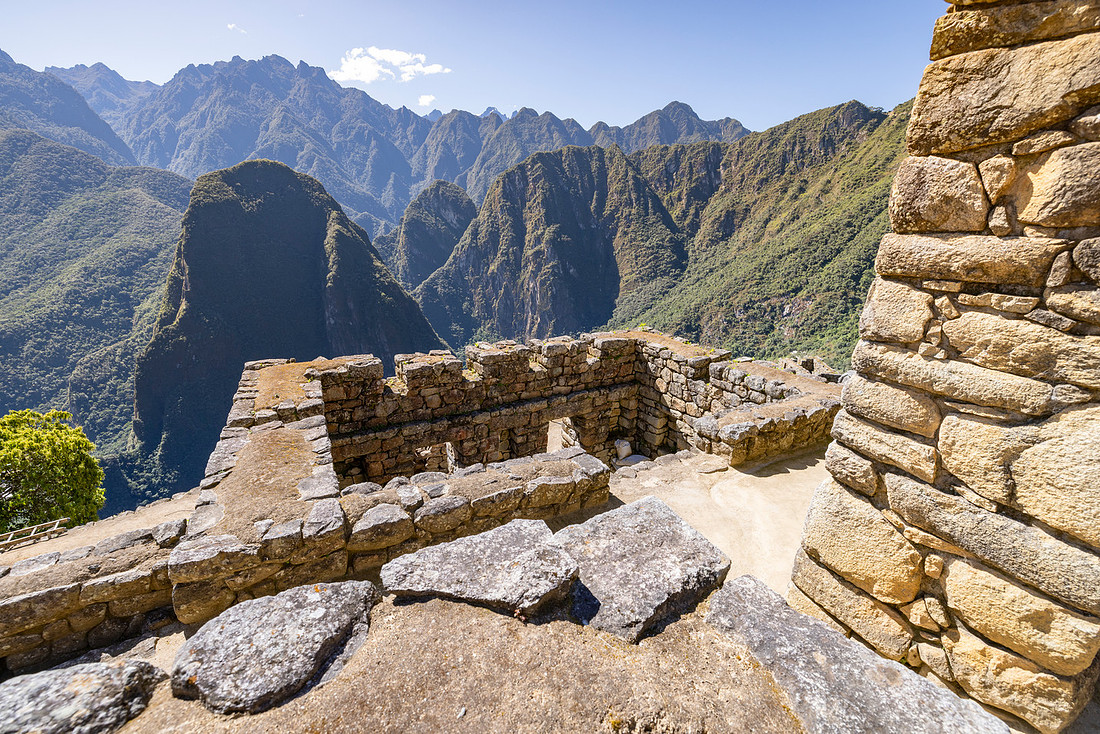
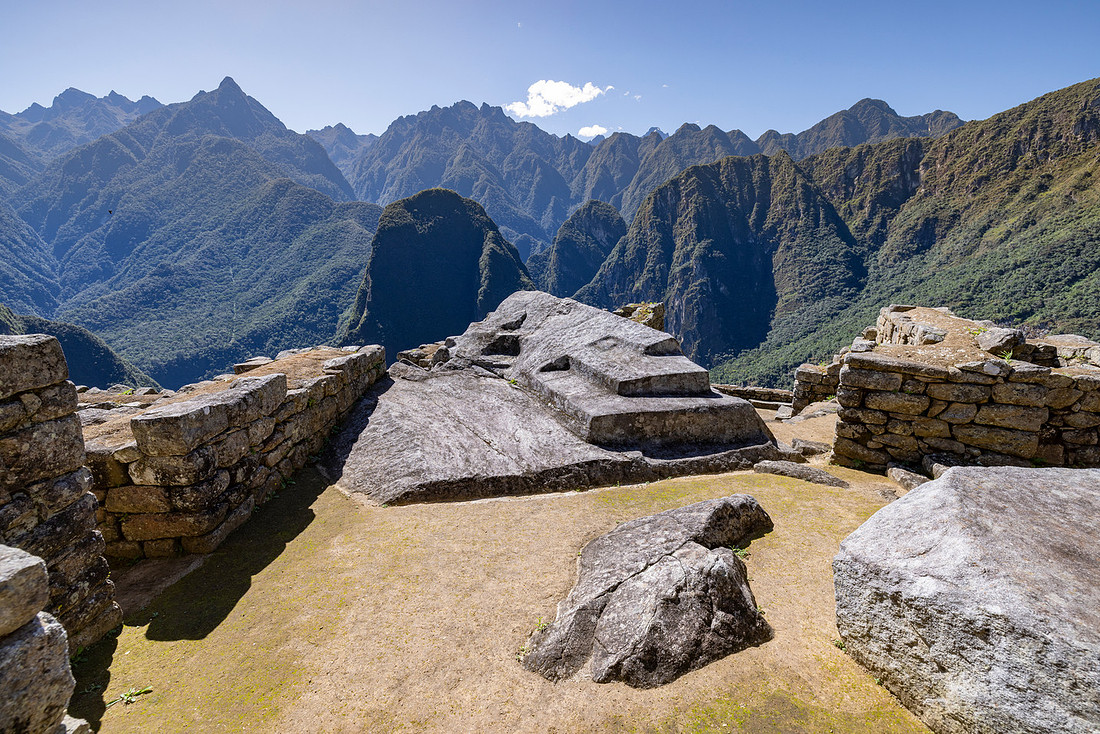
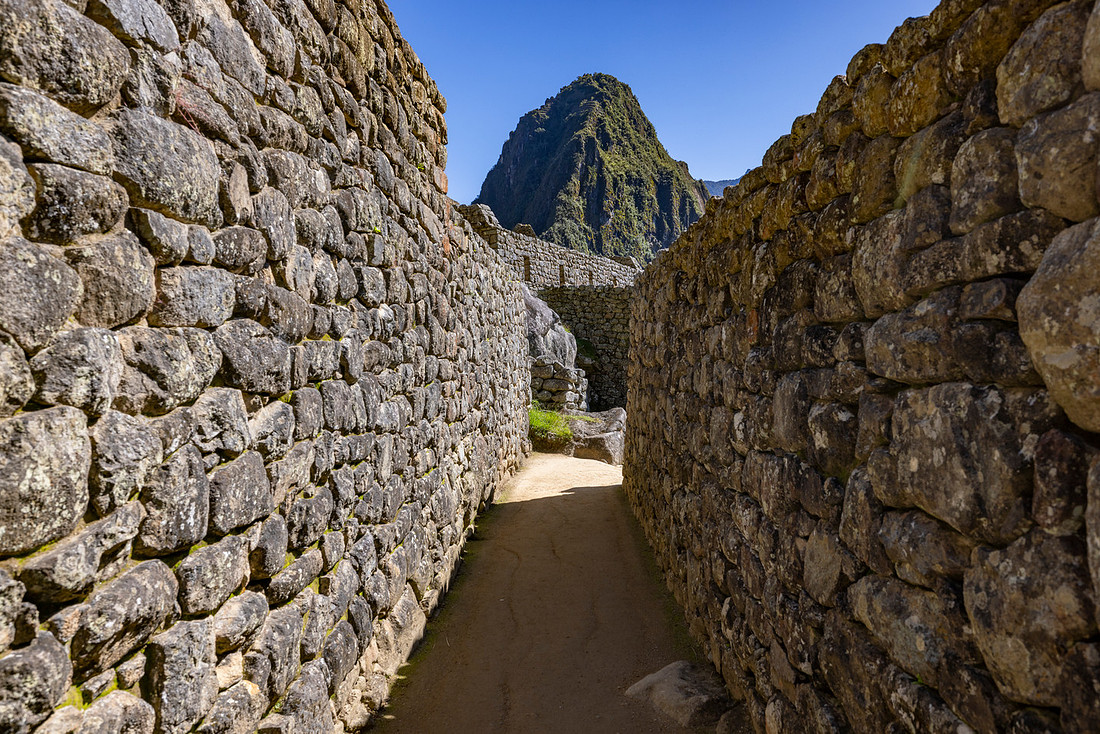
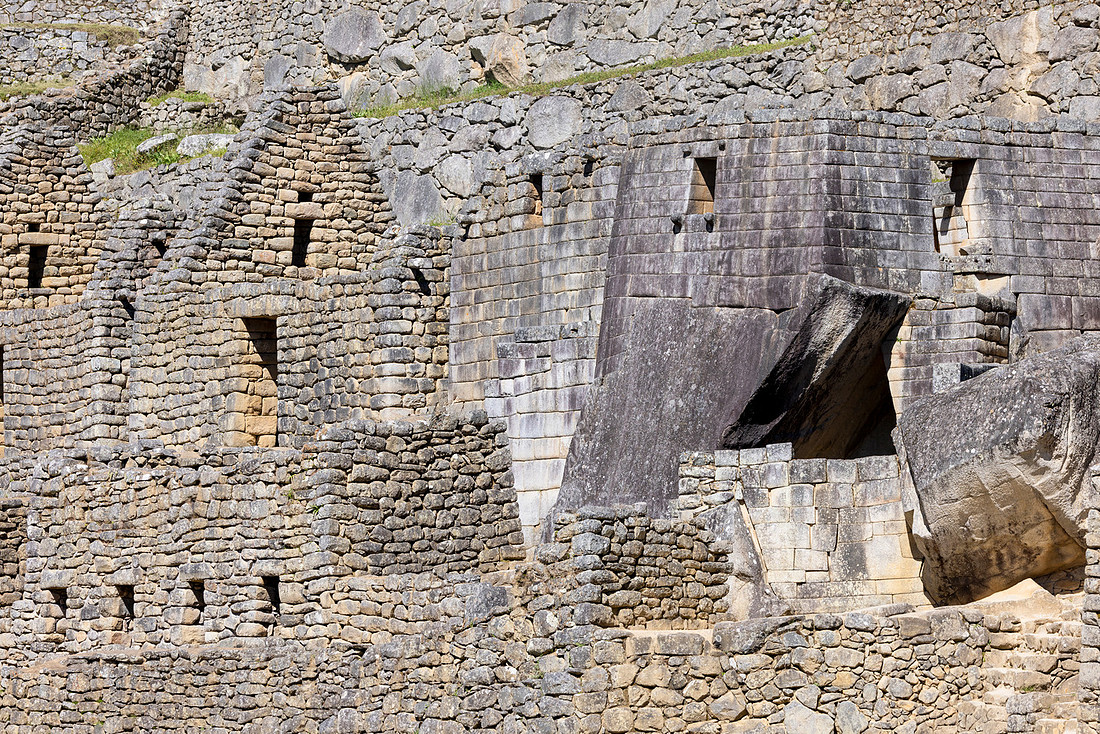
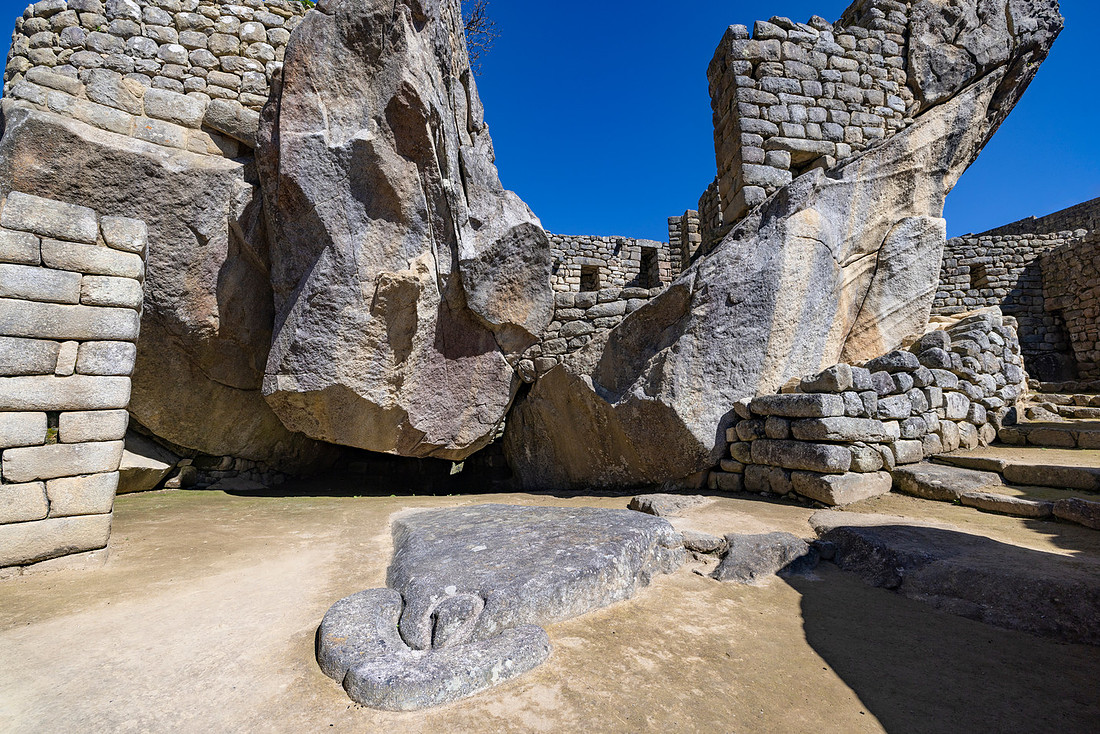
The following morning, we woke up early and caught a bus back to Machu Picchu to explore the complex. After five days of exploring Inca sites, this place was amazing and lived up to all the hype. The architecture was spectacular, and the terraforming that took place that allowed them to build in such a precarious place was astounding.
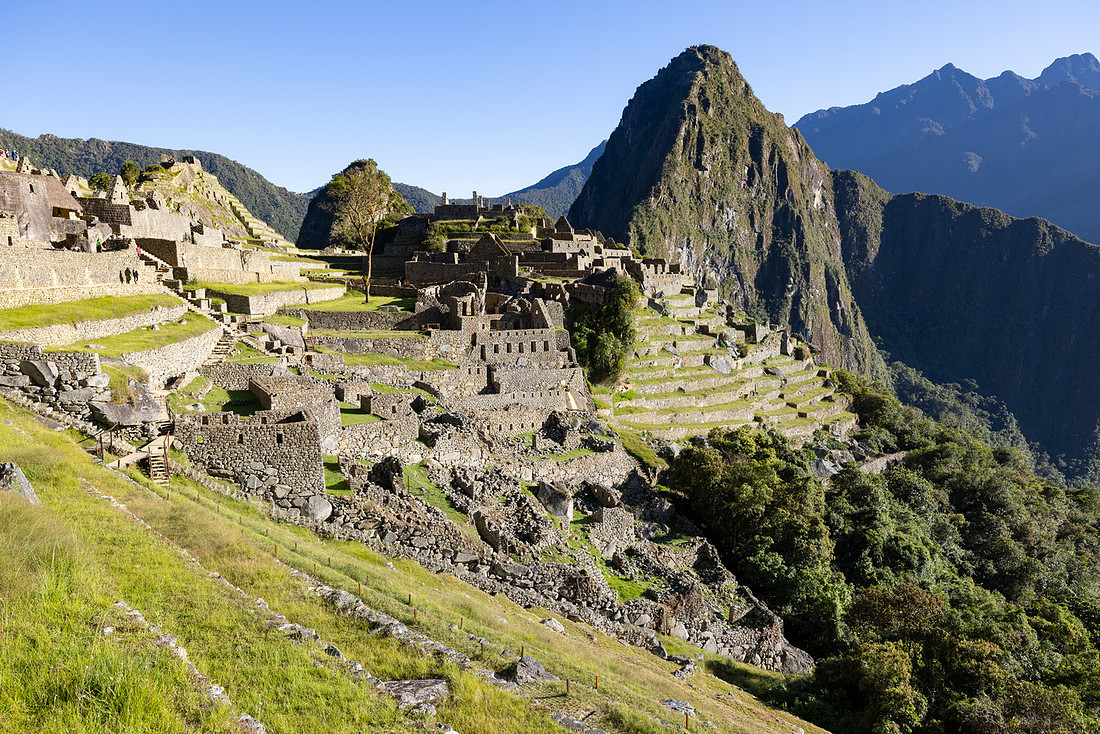
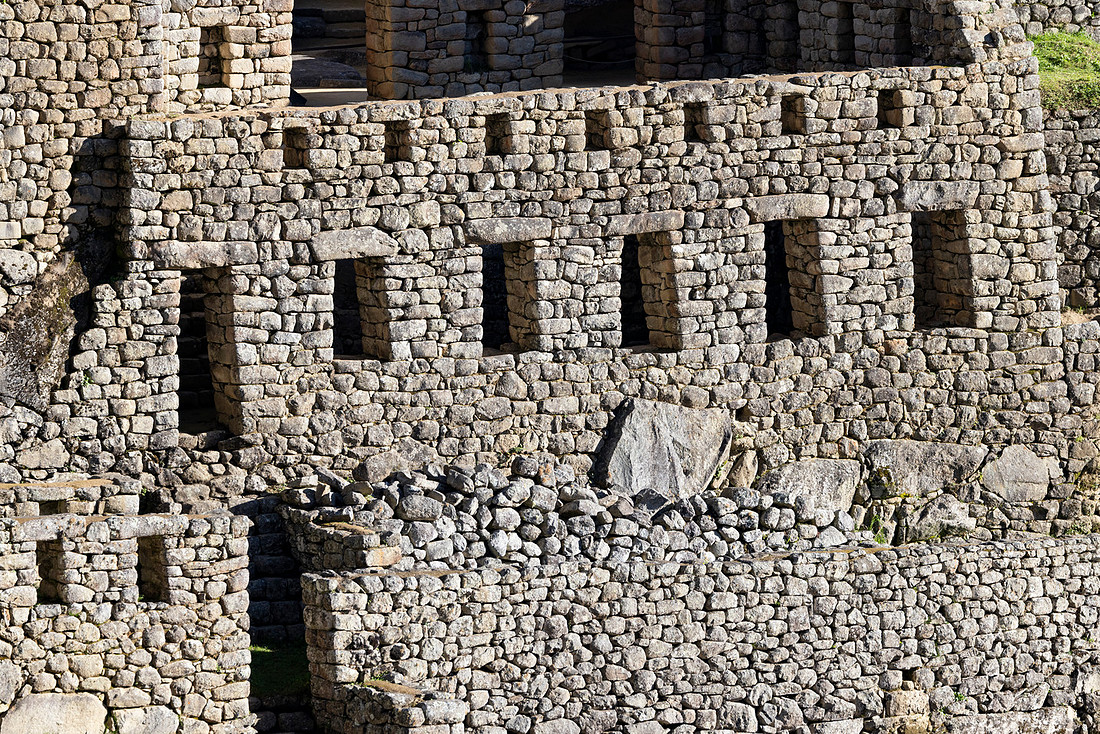
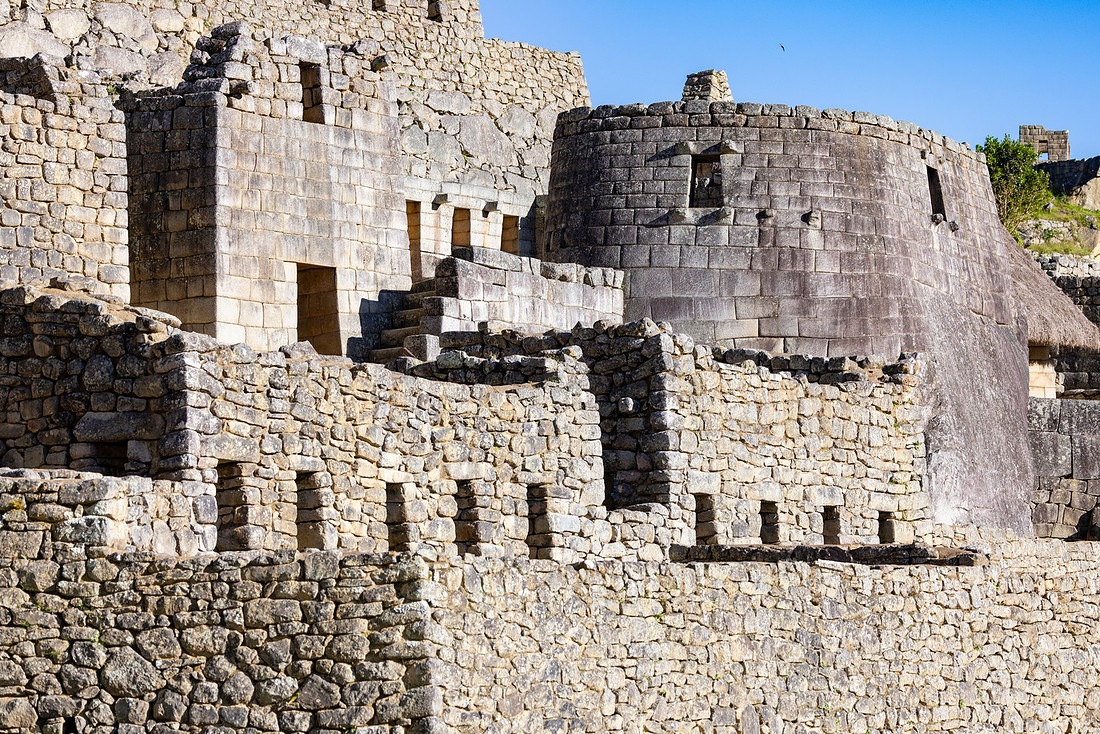
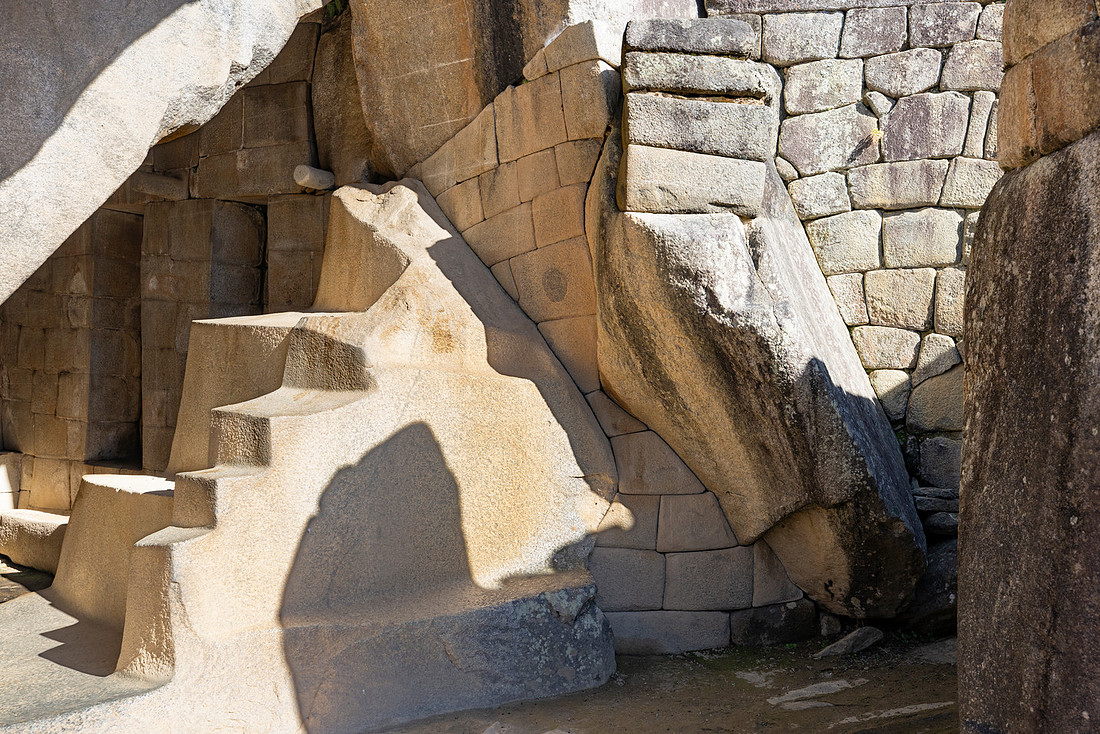
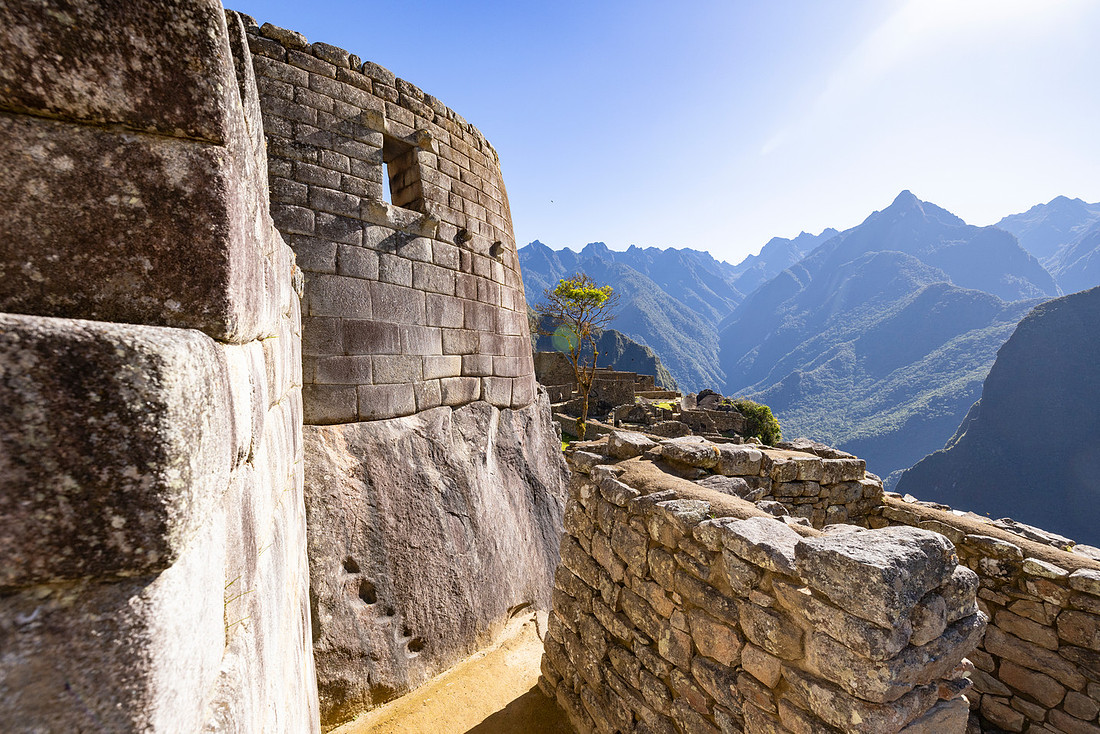
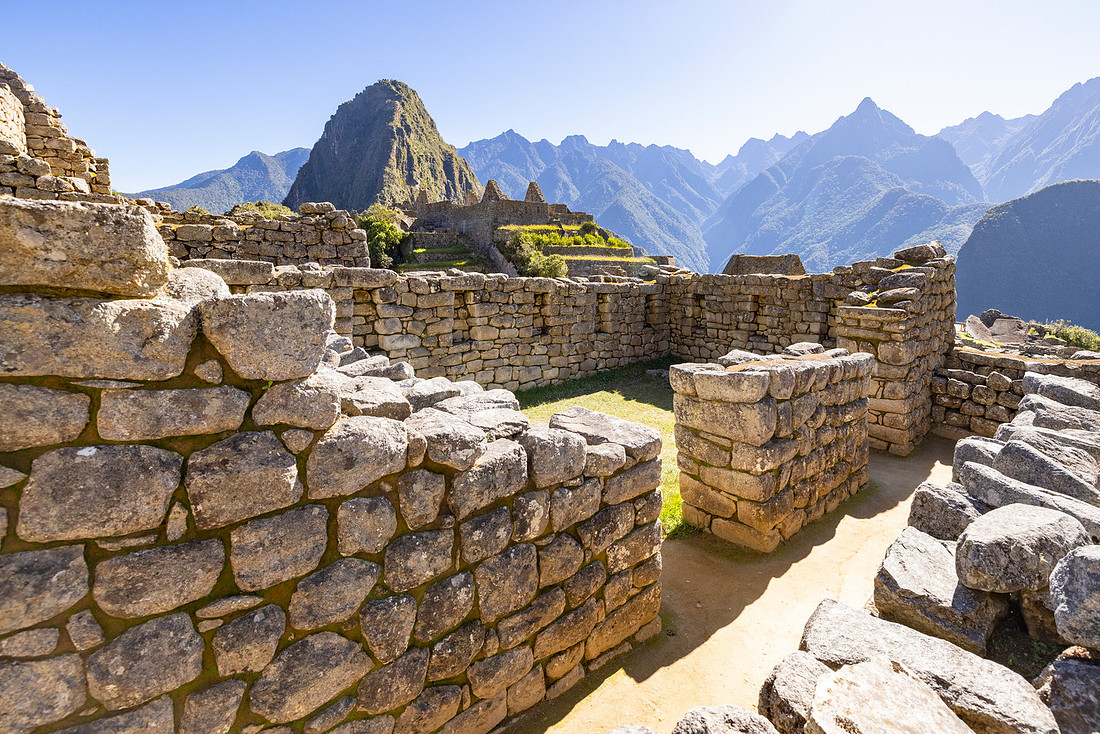
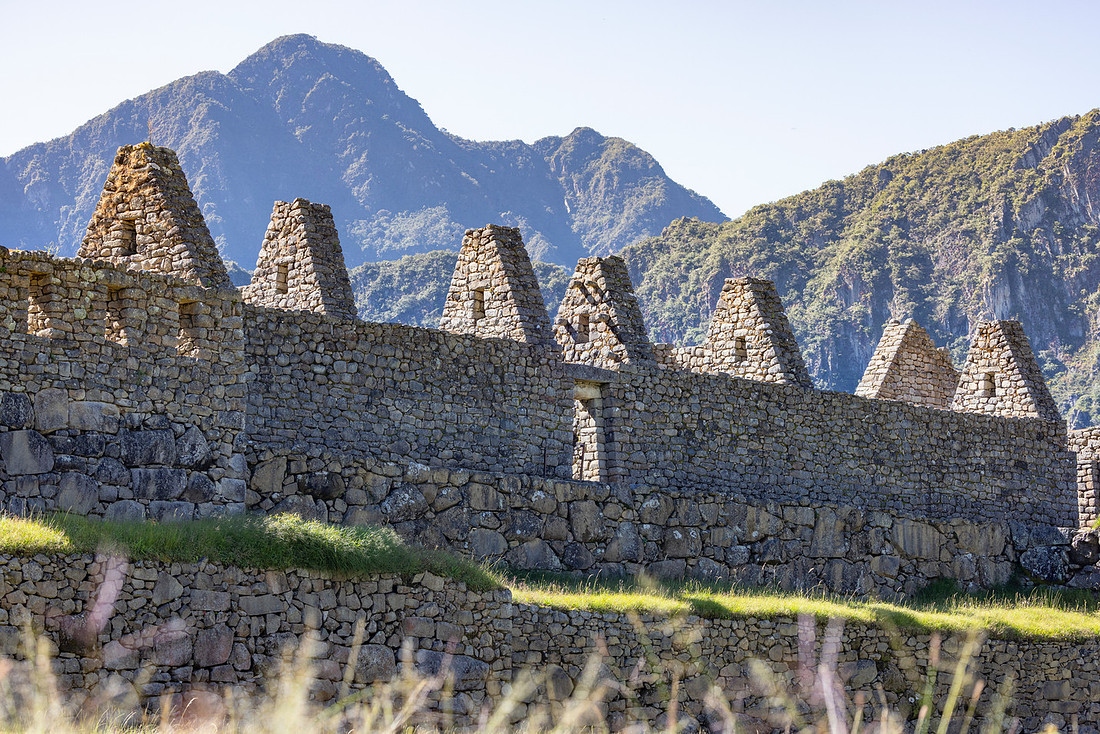
While the granite used to build the site was quarried from a location adjacent to the site, all of the dirt and sand that was used to fill in the terraces was hauled up from the river. The more we learned, the more incomprehensible it all became.
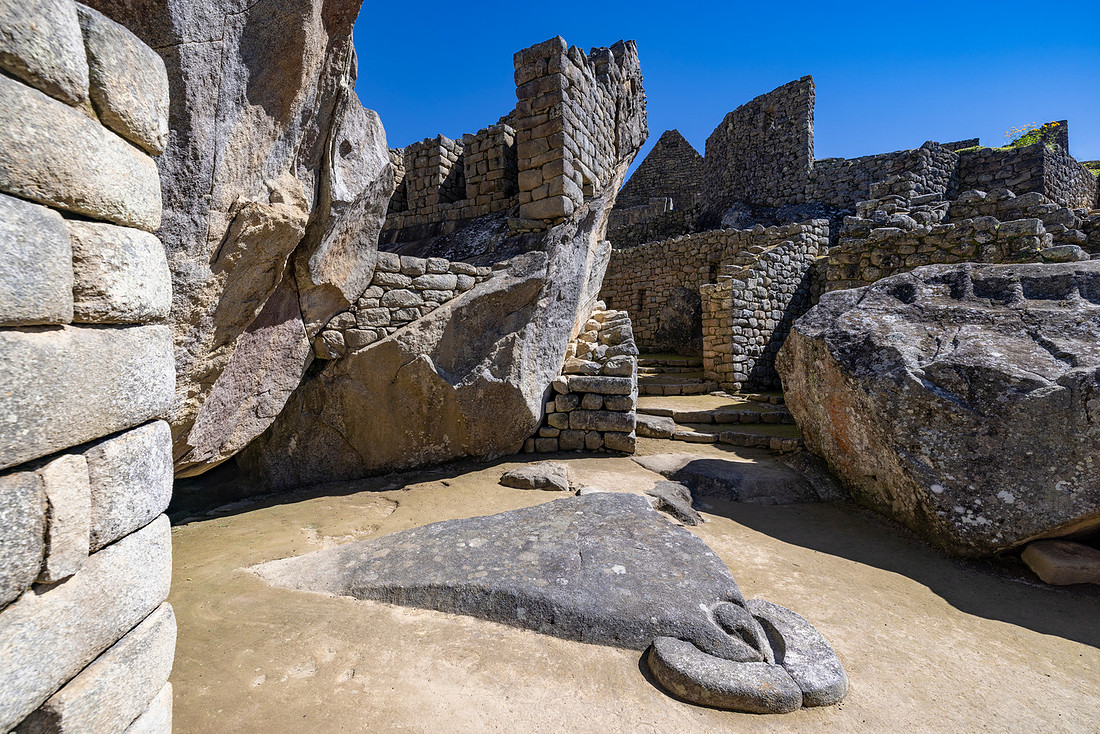
After exploring the site for a few hours, we took the bus back to town, grabbed lunch and hit the train station back to Ollantaytambo.
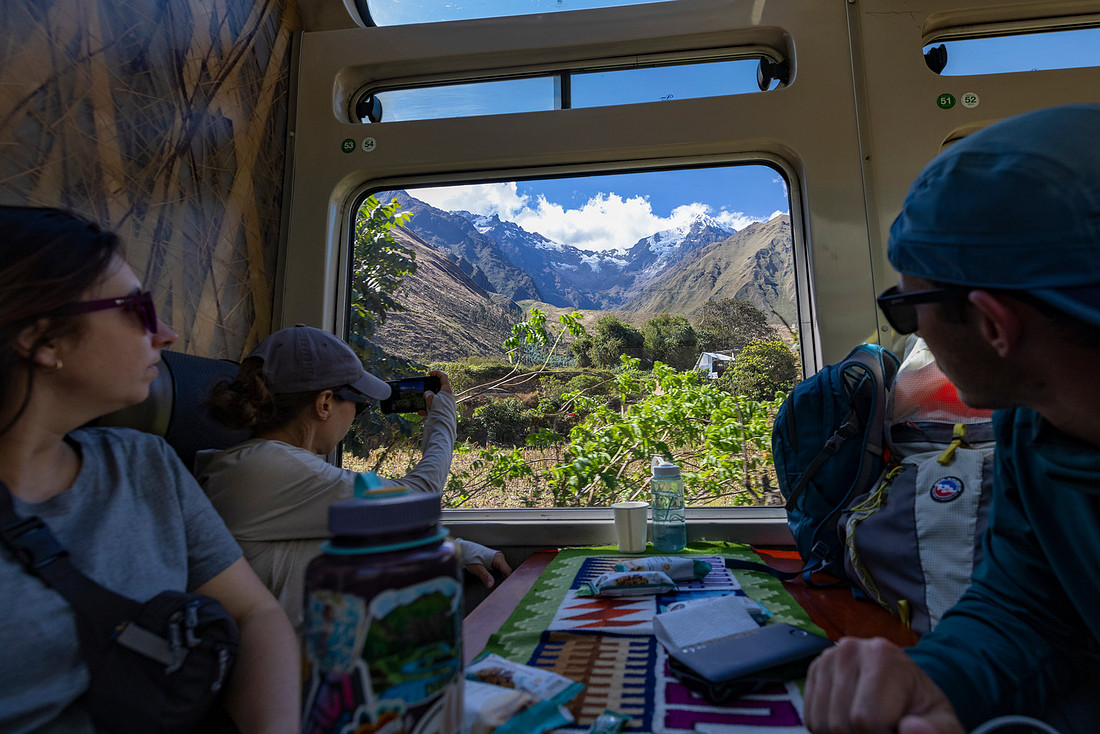
Diego picked us up at the station and we drove back to Cusco. We ordered takeout and hung out in the courtyard of the hotel the last night, drank wine, and recapped the highs and lows from the last five days of the trip. Overall it was one of the best trips I've ever done, even with the puking and nearly shitting myself.
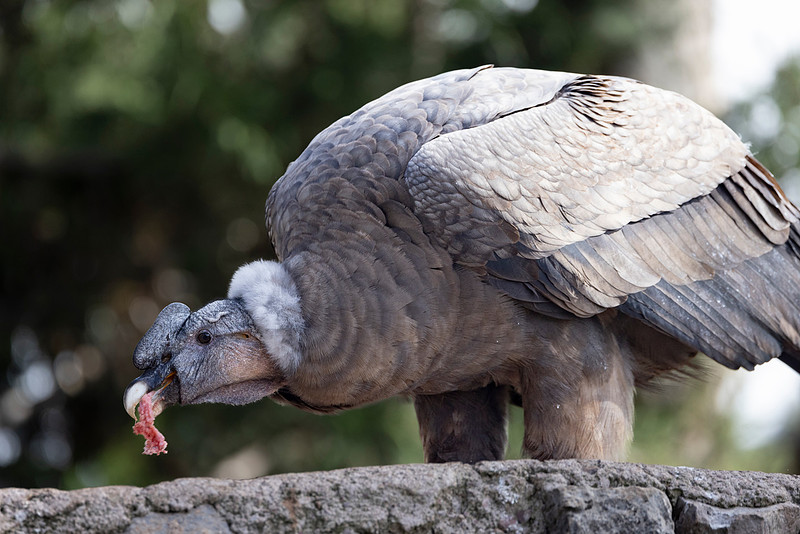
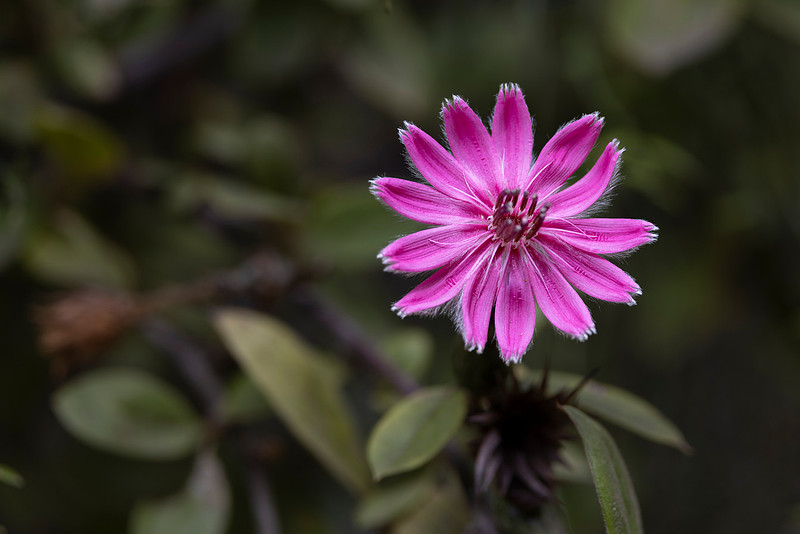
In addition to all the sites, we saw a bunch of beautiful birds and wildflowers.
 If you'd like to do a trip like this, you need to book a guide and secure your permits in October. I'd absolutely recommend Yamil and Apumayo!
